
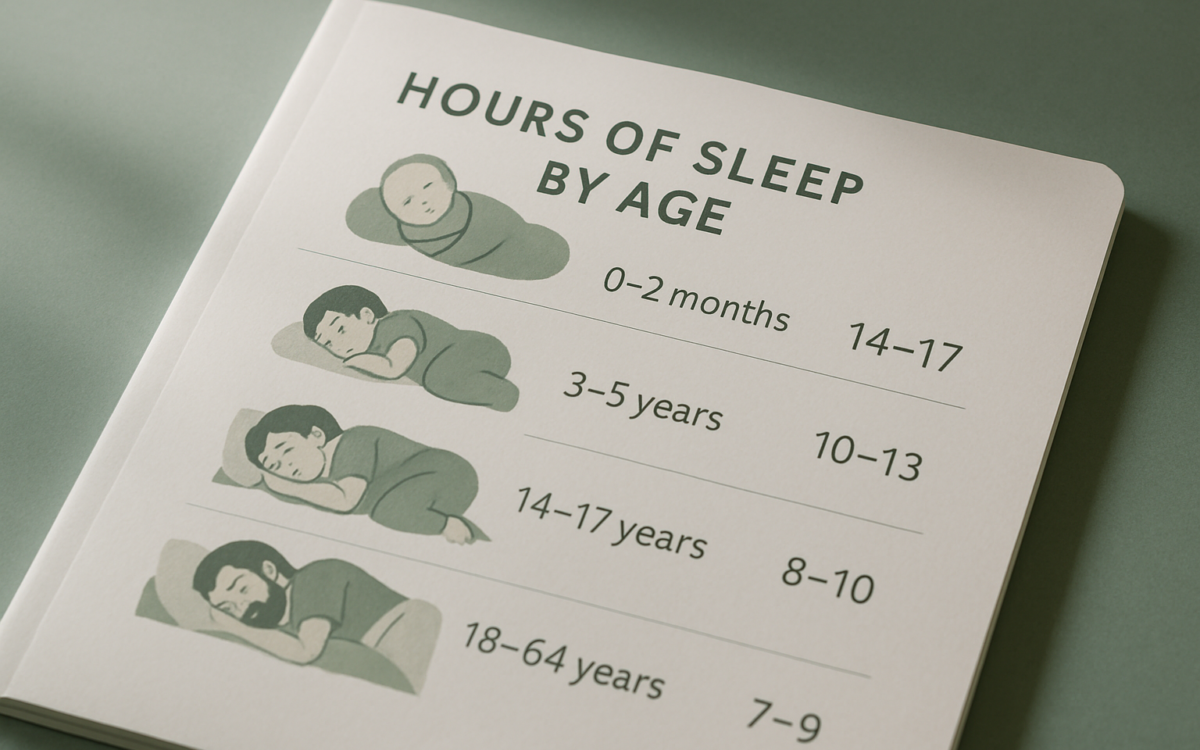
Have you ever wondered why some days feel more exhausting than others? The answer might lie in the hours of sleep you’re getting. Understanding how much sleep we need at different stages of life can be a game-changer for our health and well-being. This article breaks down the recommended sleep hours by age, so you can make informed decisions about your rest.
Babies and Preschoolers: 14 to 17 Hours
Newborns and infants need the most sleep, often requiring between 14 to 17 hours per day. This sleep is essential for their rapid growth and development. As babies develop into toddlers, their sleep needs decrease slightly. Preschoolers typically require around 10 to 13 hours of sleep, which includes nap times. Adequate sleep helps support their cognitive development, emotional health, and overall growth.
School-Aged Children: 9 to 11 Hours
During the school years, children aged 6 to 13 typically need 9 to 11 hours of sleep each night. As they navigate the rigors of schoolwork, sports, and social activities, proper rest is essential for their academic performance and physical health. Parents can promote healthy sleep habits by establishing consistent bedtime routines and limiting screen time before bed.
Teenagers: 8 to 10 Hours
Teenagers need approximately 8 to 10 hours of sleep each night. However, many teens struggle to meet this requirement due to busy schedules, social engagements, and, of course, smartphones. Sleep is crucial for their growth spurts, hormonal changes, and academic responsibilities. Schools can help by starting later in the morning to align with teenagers’ natural sleep cycles.
Adults: 7 to 9 Hours
For adults, the National Sleep Foundation recommends 7 to 9 hours of sleep per night. Sleep is vital for adults, impacting mood, productivity, and health. Chronic lack of sleep can lead to more serious health issues, including heart disease, diabetes, and weakened immunity. Maintaining a consistent sleep schedule, creating a restful environment, and practicing relaxation techniques can help adults meet their sleep needs.
Seniors: 7 to 8 Hours
Older adults, aged 65 and over, generally require about 7 to 8 hours of sleep. As people age, they may experience changes in sleep patterns, often including lighter sleep or more frequent awakenings. It’s important for seniors to prioritize sleep to enhance cognitive function and overall quality of life. If sleep disturbances become frequent, it may be worth consulting healthcare providers for guidance.
The Global Perspective on Sleep
It’s interesting to note that sleep needs can differ around the world due to cultural practices, lifestyle, and healthcare systems. For instance, in some cultures, a midday siesta is common, impacting total sleep duration. Understanding and valuing sleep across different societies can provide insights into optimizing sleep health. For those seeking specialized sleep treatment options internationally, resources like acibademinternational.com might be helpful.
When to See a Doctor
If you or your loved ones experience persistent trouble sleeping or show signs of sleep disorders such as insomnia, sleep apnea, or restless leg syndrome, it’s crucial to seek medical advice. A healthcare provider can help identify underlying issues and recommend effective strategies to improve sleep.
Ensuring proper sleep is something we can all strive for, regardless of age. By understanding our unique sleep needs, we can foster better health, improve mood, and enhance overall quality of life.
