
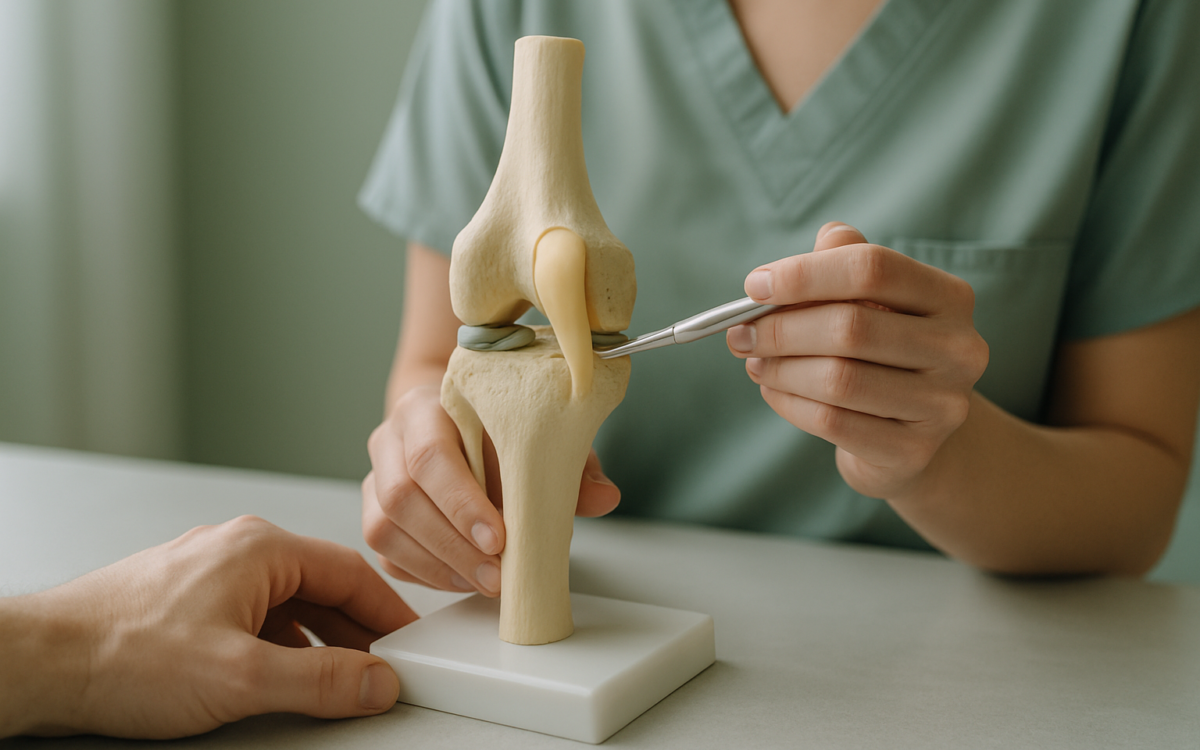
The knee is one of the most complex joints in the body, responsible for supporting our weight and enabling movement. Among its components, the lateral meniscus plays a vital role in maintaining knee health and function. Understanding how it works, its significance, and potential injuries can help you take better care of your knees throughout your life.
What is the Lateral Meniscus?
The lateral meniscus is a C-shaped cartilage located on the outer side of the knee joint. Each knee has two menisci: the lateral meniscus (outer) and the medial meniscus (inner). Together, they act as shock absorbers between the femur (thigh bone) and tibia (shin bone), helping to distribute weight evenly and reduce friction during movement.
The Role of the Lateral Meniscus
The lateral meniscus serves several essential functions:
- Shock Absorption: By cushioning the knee joint, it prevents the bones from grinding against each other during activities such as walking, running, or jumping.
- Joint Stability: The meniscus helps maintain stability in the knee by acting as a wedge between the femur and tibia, reducing the risk of injury during high-impact activities.
- Load Distribution: It evenly spreads out the load and pressure on the knee joint, which can help prevent wear and tear over time.
- Joint Lubrication: The lateral meniscus helps facilitate the movement of synovial fluid, which nourishes and lubricates the knee joint.
Common Injuries to the Lateral Meniscus
Despite its importance, the lateral meniscus is susceptible to injuries, particularly among athletes and active individuals. Some common injuries include:
Meniscus Tears
A tear in the lateral meniscus is one of the most prevalent injuries, often caused by sudden twists or impacts to the knee. The severity of a tear can vary:
- Partial Tear: A small rip that might heal on its own.
- Complete Tear: A more severe injury that often requires medical intervention.
- Degenerative Tears: These occur due to wear and tear over time, often seen in older adults.
Symptoms of Meniscus Injury
Recognizing a meniscus injury early can help prevent further damage. Common symptoms include:
- Pain on the outer side of the knee
- Swelling around the knee joint
- Stiffness or decreased range of motion
- A popping or clicking sensation when moving the knee
- Difficulty bearing weight on the affected leg
Treatment Options
Injuries to the lateral meniscus can often be managed through various treatment options. The appropriate approach depends on the injury’s severity and nature. Some common treatments include:
Conservative Treatments
Initially, many knee injuries can be treated conservatively:
- Rest: Avoiding activities that aggravate pain can allow the knee to heal.
- Icing: Applying ice can help reduce swelling and alleviate discomfort.
- Compression: Using a bandage can help limit swelling.
- Elevation: Keeping the knee elevated can assist in reducing swelling.
- Physical Therapy: A tailored exercise program can strengthen the knee and improve flexibility.
Surgical Options
If conservative treatments are unsuccessful, or if the tear is severe, surgery may be recommended. Surgical options include:
- Meniscectomy: Removal of the damaged tissue.
- Meniscus Repair: Stitching the torn edges back together for healing.
- Meniscus Transplant: In cases of significant damage, a transplant may be considered.
Prevention Tips for Lateral Meniscus Injuries
Maintaining knee health is crucial, especially for those involved in sports and high-impact activities. Here are some tips to help minimize the risk of meniscus injuries:
- Warm-up: Always begin with a proper warm-up before engaging in physical activity.
- Strength Training: Strengthen the muscles around the knee, including the quadriceps and hamstrings, to provide better support.
- Flexibility Exercises: Incorporate stretches into your routine to maintain flexibility in your knees.
- Avoid Sudden Movements: Be mindful of sudden twists and turns during activities.
- Wear Proper Footwear: Shoes that offer adequate support and traction can help prevent falls and injuries.
When to See a Doctor
Consulting a healthcare provider is essential if you experience symptoms of a meniscus injury. Signs that warrant a visit include:
- Persistent pain or swelling
- Inability to bear weight on the affected knee
- Severe pain that doesn’t improve with home remedies
- A feeling of instability in the knee
Your doctor will conduct a thorough examination, possibly including imaging tests like an MRI, to diagnose the injury accurately and recommend appropriate treatment.
Conclusion
The lateral meniscus plays a crucial role in maintaining the health and stability of your knee joints. By understanding its function and being aware of potential injuries, you can take steps to care for your knees better. If you have concerns about knee pain or injuries, don’t hesitate to consult with a healthcare professional for personalized guidance.
For more information, you can refer to sources from the National Institutes of Health, Mayo Clinic, and World Health Organization.
