
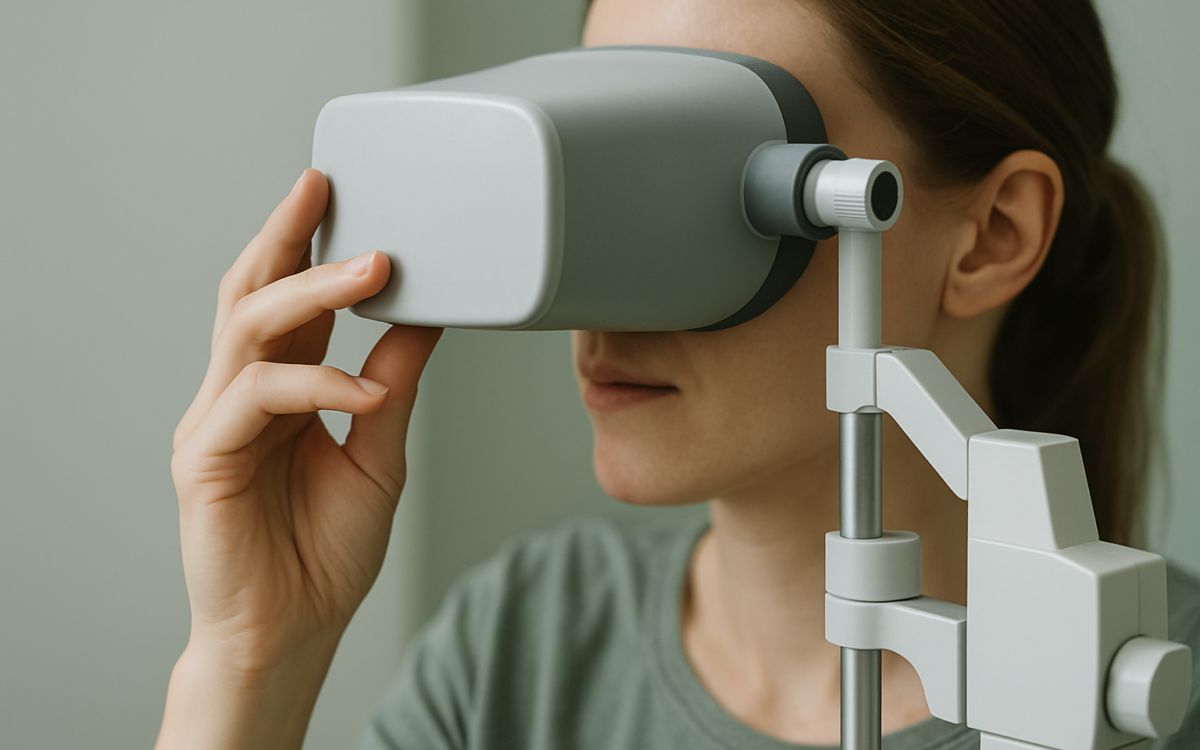
Have you ever wondered how many frames per second (FPS) the human eye can actually see? This question often pops up in discussions about video games, movies, and virtual reality. While it might seem like a simple inquiry, the answer is surprisingly complex and involves the fascinating science of human vision. Understanding FPS not only enhances your appreciation of visual media but also helps us grasp the limits of our perception.
The Basics of Human Vision
To comprehend how many FPS the human eye can see, we first need to explore how vision works. Human eyes perceive light through photoreceptors, which are specialized cells in the retina. There are two main types: rods and cones. Rods are sensitive to low light and help us see in dim conditions, while cones detect color and are crucial for seeing fine details.
Each of these photoreceptors processes light differently, contributing to our overall visual experience. Humans can perceive a wide spectrum of colors and details, but how does this relate to frames per second?
What is Frames Per Second (FPS)?
Frames per second, or FPS, is a measure of how many individual frames, or images, are shown in one second in a video or animation. Higher FPS usually means smoother motion. Movies are typically shot at 24 FPS, while video games can range from 30 to 120 FPS or more, especially in high-performance gaming environments.
To state it simply, more frames can lead to a smoother and more lifelike visual experience. However, the capability of the human eye to perceive these frames has its limits.
How Many FPS Can You See?
Determining the exact number of FPS the human eye can see isn’t as straightforward as you might think. Studies suggest that, on average, the limit is around 60 FPS for most people. However, this figure can vary significantly based on several factors:
- Age: As we age, our ability to perceive rapid movements can decline.
- Lighting Conditions: In bright settings, our eyes can often handle higher frame rates.
- Individual Differences: Some individuals may perceive changes in frame rates more acutely than others.
Some researchers argue that under ideal conditions, humans might perceive differences in frame rates up to around 200-300 FPS. However, this is typically outside our normal viewing conditions.
Why Does It Matter?
Understanding the FPS limit of the human eye has practical implications in various fields. For example, in gaming and film production, knowing how many frames the audience can effectively perceive helps creators decide on the right settings for visual content.
In the world of virtual reality (VR), frame rates become crucial. A higher FPS in VR can lead to a more immersive experience, making virtual environments feel more lifelike. Inadequate FPS can lead to discomfort or even motion sickness in users, as their eyes struggle to keep up with the rapidly changing visual world.
International Perspectives on Visual Technology
As technology advances, countries around the world are investing in ways to enhance our visual experiences. In places like Turkey, healthcare and international treatment centers, such as Acibadem International, are exploring cutting-edge technology to improve visual treatments. This includes high-FPS displays for digital therapeutic interventions and visual aids that can assist people with vision impairments.
Conclusion
While the commonly accepted limit for FPS that the human eye can perceive is around 60 FPS, the reality is more nuanced. Individual differences, age, and even lighting conditions can affect perception. Understanding these limits not only enhances our appreciation of visual media but equips us with knowledge to make informed decisions in an increasingly visual world. If you have concerns about your vision or sensory perception, don’t hesitate to consult a healthcare professional.
When to See a Doctor
If you experience sudden changes in your vision, such as blurriness or difficulty seeing in low light, it’s essential to consult with a doctor. Regular eye exams can also help identify any underlying issues that might affect your visual perception.
