
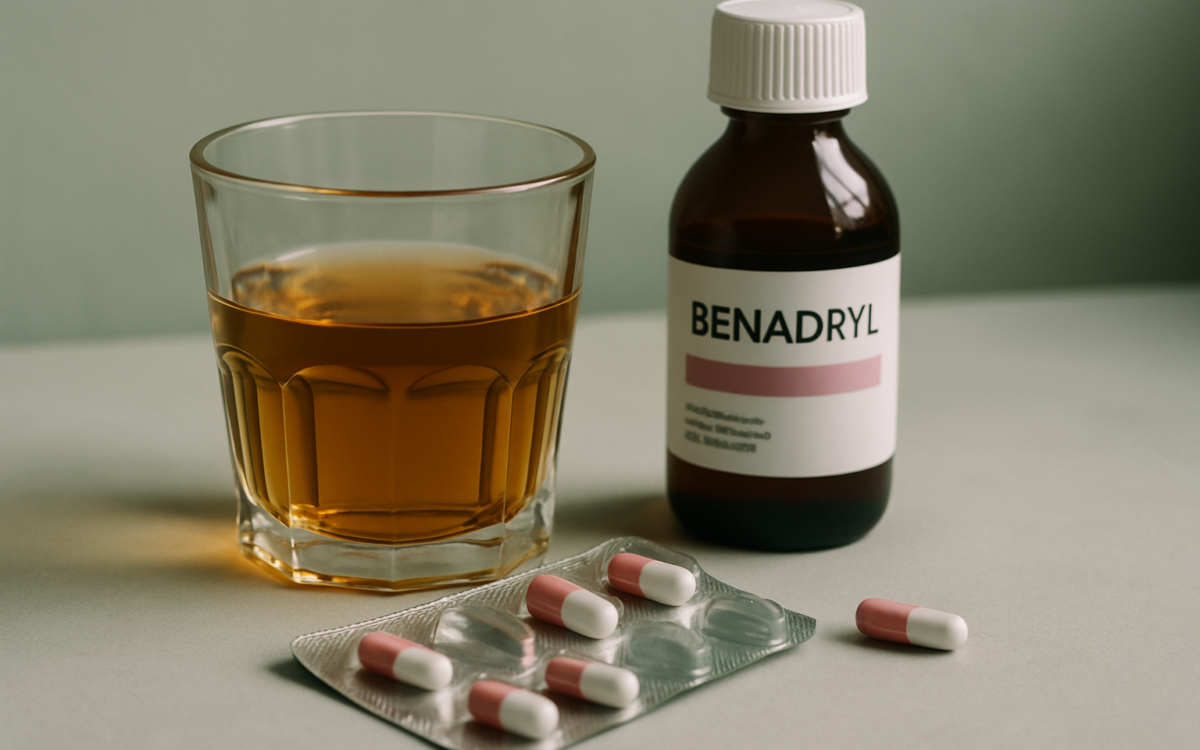
It might feel tempting to reach for a nighttime relief remedy after a long week, especially if you’re considering a glass of wine or two. However, with substances like Benadryl (diphenhydramine) and alcohol, caution is essential. Both can create sedation and relaxation, but the combination can lead to some serious side effects. Understanding these risks can help you make informed choices about your health.
What is Benadryl?
Benadryl is an over-the-counter antihistamine primarily used for alleviating allergy symptoms such as runny nose, sneezing, and itching. Its active ingredient, diphenhydramine, may also induce drowsiness, making it sometimes used as a sleep aid. While effective for its intended purposes, it’s crucial to be aware of its effects on the body.
Alcohol and its Effects
Alcohol is a depressant that affects your brain and central nervous system. A few drinks can lower your inhibitions and create feelings of relaxation and pleasure. However, too much alcohol can impair judgment, diminish coordination, and lead to unwanted side effects. Drinking in moderation is key to managing these risks.
Why You Shouldn’t Mix Bilateral Sedatives
Combining Benadryl and alcohol can have a multiplying effect on sedation, which may lead to several undesirable outcomes, including:
- Increased Drowsiness: Both substances promote sleepiness, which can result in severe drowsiness or reduced alertness.
- Confusion or Dizziness: The combination can cause confusion and dizziness, affecting your balance and ability to think clearly.
- Risk of Overdose: Mixing these substances may heighten the risk of overdose symptoms, including breathing difficulties.
Potential Side Effects of Mixing Benadryl and Alcohol
Research indicates that combining antihistamines like Benadryl with alcohol can cause exacerbated side effects:
- Memory Issues: Users might experience short-term memory lapses.
- Impaired Coordination: This combination increases the risk of accidents, falls, or injuries.
- Increased Heart Rate: The body may respond unpredictably, leading to cardiovascular complications.
Recommendations for Safe Use
If you are considering using Benadryl for allergy relief or sleep, the following recommendations can help keep you safe:
- Read the Labels: Always check the labels for potential interactions with alcohol.
- Consult Healthcare Providers: Speak to your doctor or pharmacist regarding safe use and alternative medications.
- Limit Alcohol Intake: If you choose to drink, do so in moderation and give your body time to process the alcohol before taking Benadryl.
When to See a Doctor
If you experience unusual symptoms after taking Benadryl or drinking alcohol, such as extreme drowsiness, confusion, difficulty breathing, or any concerning behavior, seek medical attention immediately. It’s essential to communicate with healthcare professionals about any medications you’re taking and alcohol consumption for personalized advice.
Conclusion
While both Benadryl and alcohol can serve particular purposes in your health and lifestyle, mixing the two can create serious risks. Being informed about potential side effects can help you prevent accidents and adverse reactions. Always discuss your options with a healthcare provider to prioritize your health and well-being.
