
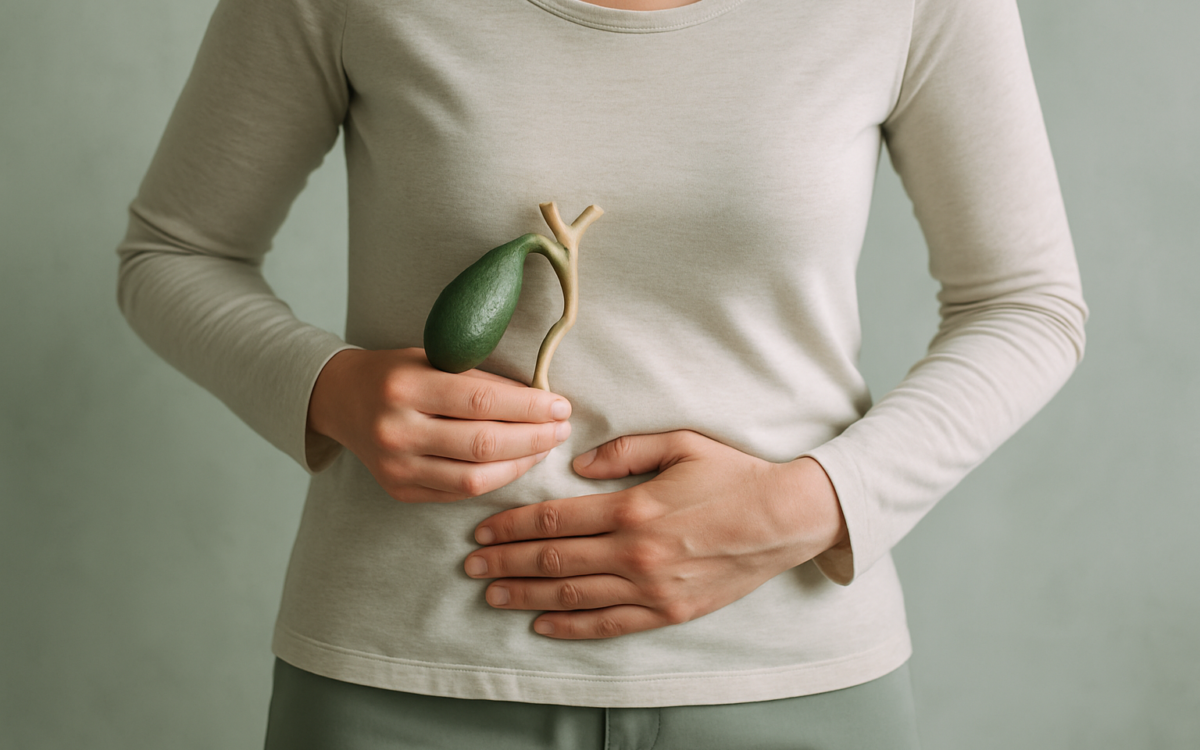
The gallbladder is a small organ located under the liver, responsible for storing bile, which helps in digesting fats. When something goes wrong with the gallbladder, it can lead to discomfort and serious health issues. Understanding the signs of gallbladder problems is crucial for timely intervention and recovery. In this article, we will explore the common symptoms, potential causes, and when to seek medical attention.
Common Symptoms of Gallbladder Issues
Several symptoms can indicate gallbladder problems. While not everyone experiences the same symptoms, here are some of the more common ones to watch for:
- Abdominal Pain: Many people with gallbladder issues report experiencing pain in the upper right part of the abdomen. This pain can be sharp or cramping and may last for several minutes to a few hours.
- Digestive Problems: Issues such as indigestion, bloating, or excessive gas may indicate a gallbladder problem, especially after eating a fatty meal.
- Nausea and Vomiting: Some individuals may experience nausea or vomit, particularly after consuming fatty foods.
- Jaundice: Yellowing of the skin and eyes can be a sign that the bile flow is blocked, often due to gallstones.
The Role of Gallstones
Gallstones are hardened deposits that can form in the gallbladder and are one of the most common causes of gallbladder problems. They can vary in size from tiny grains to large stones and may not always cause symptoms. Depending on their location and size, gallstones can lead to complications.
Some signs to look for if gallstones are present include:
- Intense Abdominal Pain: Many people experience a sudden and severe pain known as biliary colic, often after eating.
- Pain Between Shoulder Blades: Pain may radiate to the back or right shoulder area, which can be misleading.
- Pain After Meals: People with gallstones often find that their pain intensifies after consuming high-fat meals.
Cholecystitis: A Serious Condition
When the gallbladder becomes inflamed, the condition is known as cholecystitis. This inflammation can result from a blockage caused by gallstones or could be due to infection.
Symptoms of cholecystitis include:
- Severe Pain: The pain is typically sudden and intense. It usually occurs in the upper right quadrant and may get worse with deep breaths.
- Fever: A low-grade fever often accompanies the pain, indicating inflammation or infection.
- Changes in Appetite: Many people with cholecystitis report a decreased appetite or a feeling of fullness even after small meals.
Risk Factors for Gallbladder Problems
Understanding your risk factors can aid in preventing gallbladder issues. Some common risk factors include:
- Obesity: Being overweight increases the risk of developing gallstones due to higher cholesterol levels in bile.
- Diet: A diet high in fat and low in fiber can contribute to gallstone formation.
- Age and Gender: Women and older adults tend to be at a higher risk.
- Rapid Weight Loss: Losing weight quickly can cause the liver to release extra cholesterol into the bile.
Diagnosis of Gallbladder Problems
If you experience symptoms that suggest gallbladder problems, it’s essential to consult with a healthcare provider. They may conduct several tests, including:
- Ultrasound: This is the most common test used to detect gallstones and gallbladder inflammation.
- Blood Tests: They can help determine if there is an infection or if liver function is compromised.
- HIDA Scan: This imaging test can assess the function of the gallbladder, revealing if it is working properly or if there is a blockage.
When to See a Doctor
If you notice any signs of gallbladder problems, particularly severe or persistent abdominal pain, jaundice, or fever, it is essential to seek medical attention promptly. Early diagnosis can prevent complications like gallbladder rupture or pancreatitis. Always consult your healthcare provider for personalized advice and treatment options.
Conclusion
Understanding the signs of gallbladder problems is vital for maintaining good digestive health. By being aware of the symptoms and the risk factors, you can take proactive steps toward your well-being. Timely medical intervention can pave the way for better health outcomes, so don’t hesitate to reach out to your doctor if you suspect an issue with your gallbladder.
For more detailed information on gallbladder health, you can visit reputable sources such as the Mayo Clinic and NIH for research-based insights and guidance.
