
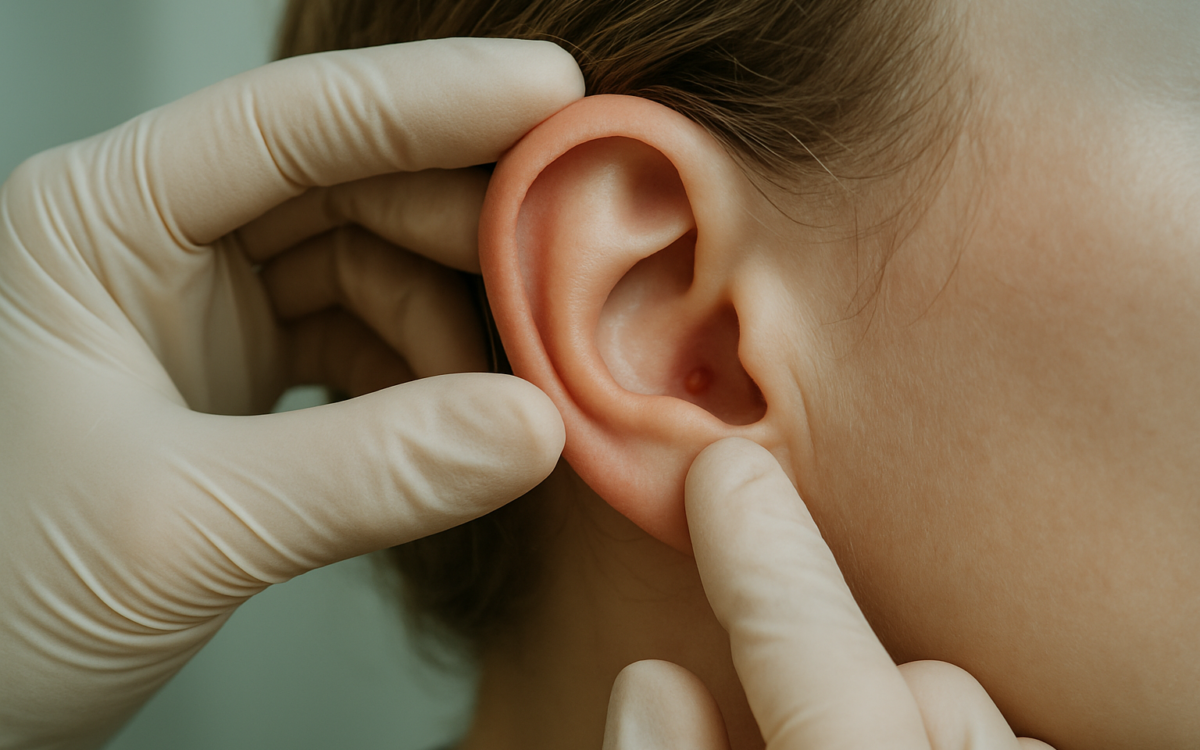
Noticing a spot inside your ear can be concerning, especially if you’re unsure what it could be. The ear is a complex structure, and changes within it can indicate various conditions. In this article, we will explore the possible causes for spots in the ear, how to address them, and when it’s necessary to seek medical help.
Common Causes of Spots in the Ear
Several factors can contribute to the appearance of spots inside the ear. Here are some of the most common causes:
1. Earwax Buildup
One of the most prevalent and harmless reasons for a spot in the ear is earwax accumulation. When earwax builds up, it can trap debris and skin cells, leading to dark or discolored spots. While typically non-threatening, excessive wax may lead to discomfort or hearing issues.
2. Skin Conditions
Spots within the ear might also arise from skin conditions. For example:
- Folliculitis: This condition occurs when hair follicles become inflamed, leading to red, swollen bumps that can appear inside the ear.
- Eczema: Eczema can also affect the ear area, causing patches of dry, flaky skin that may resemble spots.
- Psoriasis: Like eczema, psoriasis can lead to thick, red patches and is known to affect various body areas, including the ears.
3. Ear Infections
Infections are another potential cause of ear spots. With a middle ear infection (otitis media), you may feel pain, hear muffled sounds, or notice fluid drainage. Additionally, outer ear infections (otitis externa) can result in swelling and redness in the ear canal, leading to painful spots.
4. Benign Growths
Sometimes, the spots you find might be benign growths, such as:
- Cysts: Cysts can develop from blocked sweat or oil glands. They are usually harmless and may require removal only if they become bothersome.
- Skin Tags: Small, soft growths of skin that may occur inside or around the ear.
- Warts: Caused by the human papillomavirus (HPV), warts can appear on the ear and may require treatment if they cause discomfort.
Symptoms Associated with Ear Spots
While not all spots in the ear come with symptoms, some might. Depending on the underlying cause, you could experience:
- Pain or tenderness
- Itching or irritation
- Swelling
- Drainage, which may be clear, bloody, or pus-like
- Hearing loss or muffled sounds
If these symptoms accompany the spot, it’s best to consult a healthcare professional for an accurate diagnosis and appropriate care.
Prevention Strategies for Ear Health
Maintaining ear health can help prevent the development of spots. Here are some tips to consider:
- Practice Good Ear Hygiene: Regularly clean your ears gently with a damp cloth. Avoid inserting cotton swabs or other objects into the ear canal, which can push wax further in.
- Keep Ears Dry: If you’re prone to ear infections, make sure to dry your ears after swimming or bathing to prevent moisture buildup.
- Avoid Allergens and Irritants: Try to identify triggers that irritate your skin or allergies that may cause issues in your ears, and minimize exposure.
Home Remedies for Minor Issues
If you encounter a non-painful spot in your ear and experience no severe symptoms, some home remedies might help:
- Warm Compress: Applying a warm compress can soothe pain and reduce inflammation.
- Over-the-Counter Pain Relief: Medications such as ibuprofen may alleviate mild discomfort associated with changes in the ear.
- Saline Solution Rinse: Rinsing with a saline solution can help clean out the ear and reduce irritation.
However, these should not replace professional medical advice or treatment.
When to See a Doctor
Although many ear-related issues resolve on their own, there are times when you should seek medical attention:
- If you experience persistent pain or discomfort
- There is significant redness, swelling, or drainage from the ear
- You notice a sudden change in hearing
- Fever or other systemic symptoms develop
- The spot changes in appearance or size over time
Consulting with a healthcare provider is the best way to get a proper diagnosis and treatment plan.
Conclusion
Finding a spot inside your ear can be alarming, but there are often benign explanations for such occurrences. Common causes include earwax buildup, skin conditions, infections, and benign growths. Understanding these potential causes and symptoms can help calm your concerns and guide you in seeking appropriate care when necessary. Always remember, if you’re unsure or the spot is accompanied by unusual symptoms, it’s essential to consult a healthcare professional to ensure your ear health is in good standing.
