
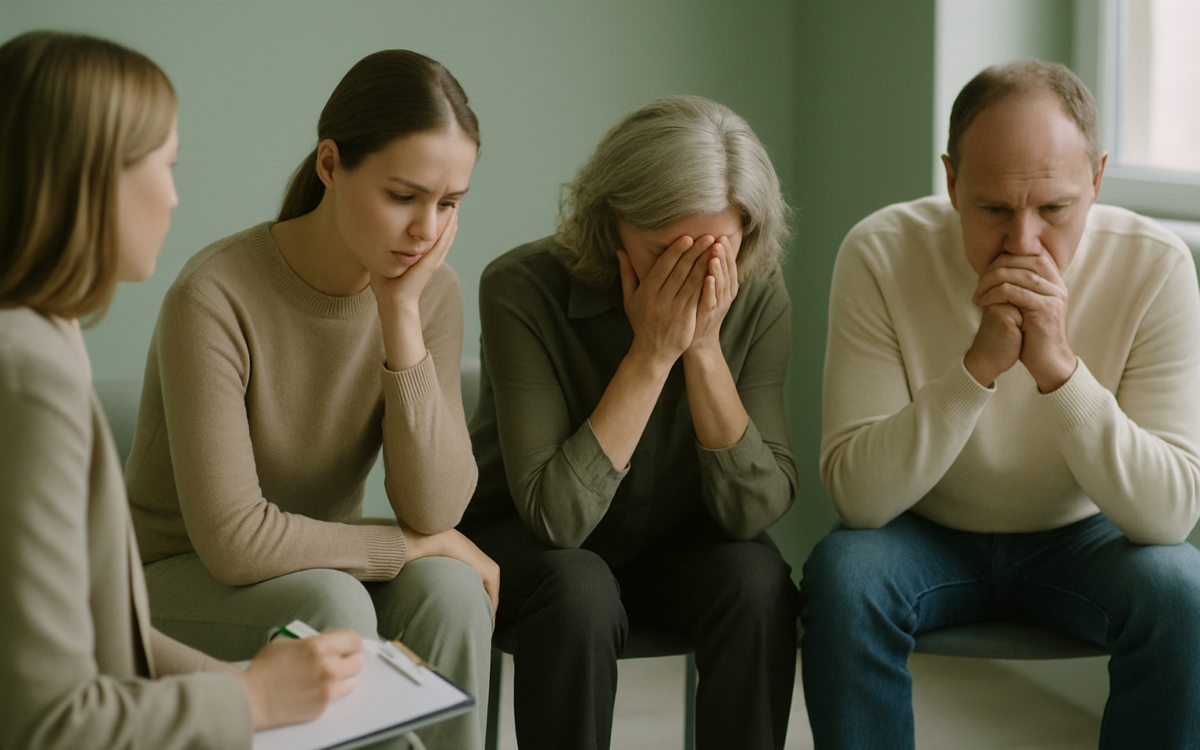
Grief is a profound emotional response to loss, and for many, it accompanies the death of a loved one. This journey can be deeply complex and varied, but understanding the stages of bereavement can help navigate these turbulent emotions. It’s important to recognize that everyone grieves differently, and there is no “right way” to heal. Here, we explore the common stages of bereavement and ways to cope with each phase.
What are the stages of bereavement?
The stages of bereavement, traditionally defined by Elisabeth Kübler-Ross, include denial, anger, bargaining, depression, and acceptance. These stages aren’t linear; individuals can experience them in varying orders or revisit stages as they process their loss.
Denial: The initial shock
Denial is often the first reaction to loss. It serves as a buffer, allowing individuals to absorb the immediate trauma of the loss. You might feel numb, disconnected, or think, “This can’t be happening.” This stage often protects us from being overwhelmed by intense emotions, giving time to gradually confront the reality of loss.
Anger: The frustration of grief
As denial fades, anger becomes more pronounced. You may find yourself feeling frustrated, even angry at loved ones, medical providers, or even the deceased for leaving you. This stage can manifest in various ways—irritability, heightened sensitivity, or outbursts. Recognizing these feelings as part of the grieving process can provide some comfort.
Bargaining: Seeking to regain control
Bargaining often occurs when individuals try to negotiate their way out of the pain. You might find yourself thinking, “If only I had done something differently, they would still be here.” In some cases, people may turn to religious or spiritual beliefs, seeking a higher power’s intervention. This stage reflects a deep desire to understand and regain a sense of control over the loss.
Depression: The depth of sadness
As the weight of the loss settles in, sadness can deepen. This stage is often characterized by overwhelming feelings of hopelessness and despair. It’s common to withdraw from friends and family, feeling like no one understands. During this time, it’s important to reach out for support, whether through friends, family, or support groups. If the feelings become too overwhelming, don’t hesitate to consult a healthcare professional.
Acceptance: Embracing the new reality
Acceptance doesn’t mean forgetting or moving on completely; instead, it signifies a shift toward adapting to life without your loved one. In this stage, you begin to find ways to incorporate the memory of your loved one into your life. Healing takes time, and everyone’s timeline differs. You might feel moments of joy again, allowing memories of your loved one to coexist with new experiences.
International perspective on bereavement support
Grief can also be shaped by cultural context. Different cultures have various customs and practices around mourning and remembrance, which can impact individual experiences of bereavement. For those seeking specialized support, international options such as treatment in Turkey can provide unique therapeutic methods and approaches. Exploring these diverse practices can offer additional insights into healing.
When to see a doctor
If feelings of grief never seem to subside or if they become debilitating, it may be time to seek professional help. Signs that you should consult a healthcare professional include prolonged sadness, inability to function in daily life, or thoughts of harming yourself or others. Mental health professionals can provide strategies and support to navigate through this challenging time.
Grieving is a profoundly personal experience, and it can take time to navigate through the various stages. Being patient with yourself and recognizing that healing is not a linear process is essential. There is no set timetable for grief, and understanding this journey can help you find your path to healing.
