
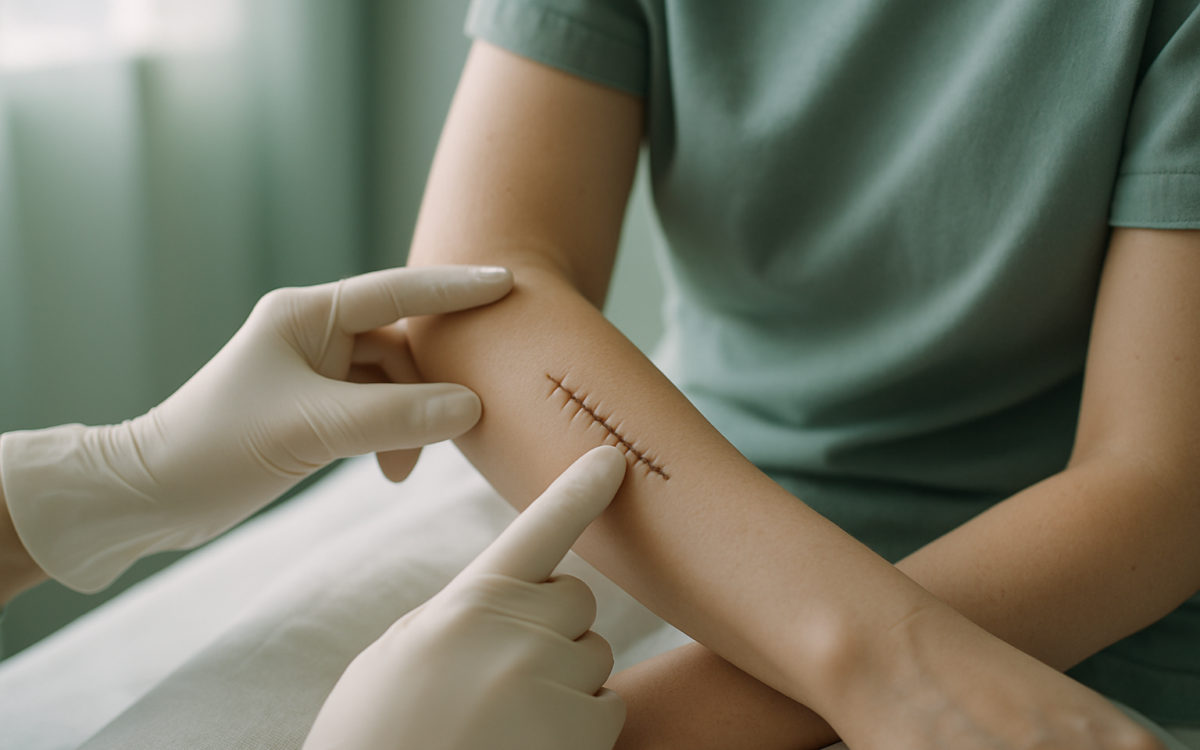
Dissolvable stitches, also known as absorbable sutures, are increasingly popular due to their convenience and ease of use. Unlike traditional stitches, which require removal by a healthcare provider, dissolvable stitches naturally decompose in the body over time. This article will explore how long dissolvable stitches take to dissolve, the factors that influence their healing, and how to care for them effectively.
What are dissolvable stitches?
Dissolvable stitches are made from materials that your body can break down and absorb. Common types include polyglycolic acid, polylactic acid, and catgut. These stitches offer significant advantages, particularly in surgeries where external stitches would be cumbersome or unnecessary, such as on the face or inside the mouth.
How long do dissolvable stitches take to dissolve?
The timeline for dissolvable stitches can vary based on a few factors, but in general, they dissolve within 7 to 21 days. Here’s a breakdown:
- Simple wounds: For minor cuts and superficial surgeries, stitches can dissolve in about a week.
- Moderate wounds: For more intricate procedures, like those involving deeper layers of skin or muscle, stitches might take up to two weeks to dissolve.
- Complex surgeries: In some cases, particularly those involving organs or extensive repairs, stitches can take up to three weeks or longer.
While these timelines provide a general framework, it’s important to remember that each person’s body is different. Factors such as the location of the stitches, your age, and overall health can influence the duration of the healing process.
Factors affecting healing time
Several factors can impact how quickly dissolvable stitches dissolve and how well a wound heals:
- Type of suture material: Different materials have varying absorption rates. For instance, those made from synthetic materials may last longer than those made from natural fibers.
- Location of the incision: Areas with more movement, like joints or the mouth, may take longer to heal due to increased stress on the stitches.
- Individual health conditions: Factors such as diabetes, obesity, or other chronic illnesses can impede healing.
- Caring for the wound: Proper care can significantly influence healing time. Keeping the area clean and dry is essential to prevent infections.
Caring for dissolvable stitches
Caring for dissolvable stitches is relatively straightforward. Here are some key tips to ensure proper healing:
- Keep it clean: Gently clean the area with mild soap and water. Avoid scrubbing the stitches.
- Monitor for signs of infection: Be aware of redness, swelling, increased pain, or discharge from the wound site. If you notice any of these symptoms, reach out to your healthcare provider.
- Follow guidelines: Always adhere to your healthcare provider’s care and follow-up instructions.
- Avoid strenuous activity: Give your body time to heal by avoiding intense exercise or heavy lifting, especially in the area where the stitches are placed.
International treatment perspective
For those considering medical procedures outside their home countries, it’s worthwhile to note that protocols for using dissolvable stitches may vary globally. For example, international healthcare facilities like acibademinternational.com provide specialized care and may use different types of absorbable sutures tailored to the patient’s needs. Researching options and understanding local practices can help in making informed healthcare decisions.
When to see a doctor
Consulting a healthcare professional is crucial if you experience any of the following:
- Signs of infection such as redness, swelling, warmth, or pus around the stitch site
- Increased pain or discomfort
- Stitches that have come apart or have not dissolved as expected
- Any unusual symptoms affecting your general well-being
Your doctor will guide you on the appropriate next steps for managing your healing process.
Conclusion
Understanding how long dissolvable stitches take to dissolve and the factors affecting their healing can help alleviate concerns and ensure proper care. By following care guidelines and consulting with healthcare providers, you can support your body’s recovery and enjoy a smooth healing process.
