
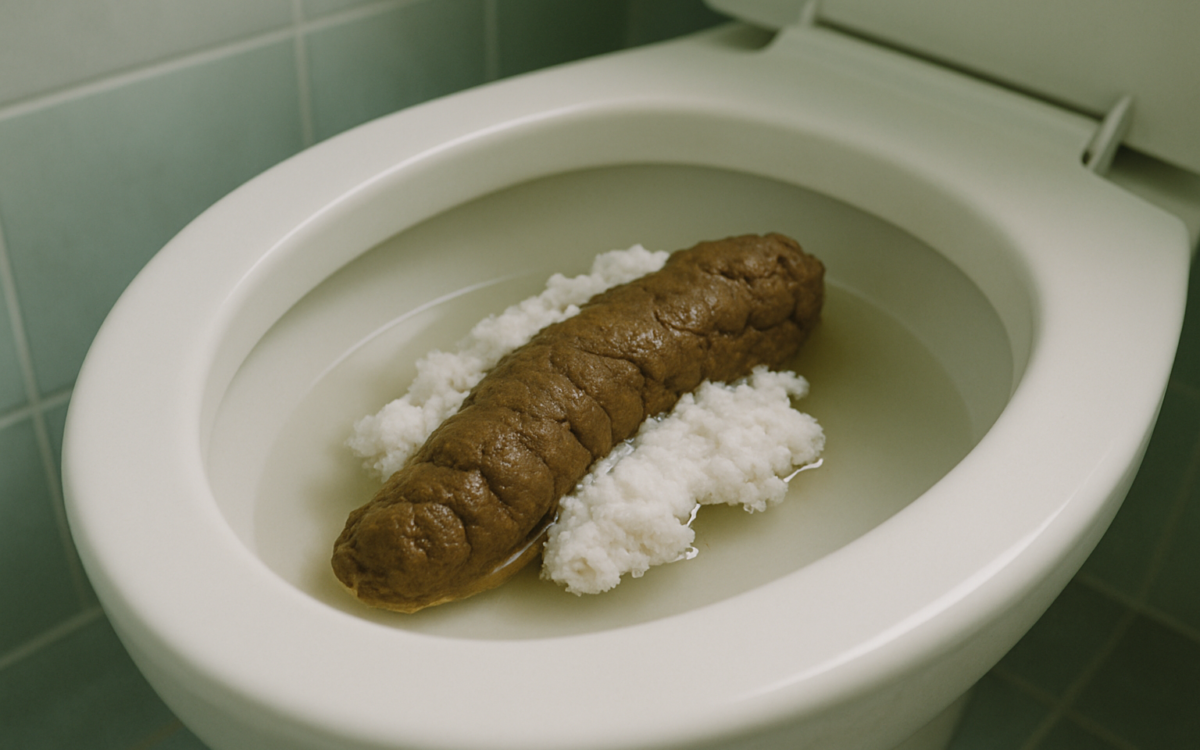
Noticing something unusual in your stool can raise immediate concerns about digestive health. While our bodies are marvelously complex, they can sometimes show signs of problems in ways that might seem alarming but are not often discussed. One such issue is finding a white substance around feces. This article aims to explore what this could mean for your health and when it might be necessary to consult a healthcare provider.
Possible Causes of White Stuff Around Feces
The presence of white material around feces can have several explanations. Although many people might panic at the sight, it’s important to understand the potential causes.
Mucus
One common reason for white or clear material around stool is mucus. The intestines naturally produce mucus that serves multiple purposes, including lubricating the intestinal lining and protecting it from irritation. A small amount of mucus in your stool is typically normal. However, if you notice a significant increase in mucus, it may indicate an underlying condition.
Intestinal Parasites
Another possibility for the white substance is the presence of intestinal parasites. These can include worms or other organisms that live in the digestive tract and can lead to symptoms like diarrhea, abdominal pain, or changes in appetite. Pinworms, for instance, are a common type of intestinal parasite that can be identified by observing white, thread-like structures around the stool. If you suspect parasitic infection, it is crucial to consult a healthcare professional for proper testing and treatment. For more information, explore the CDC’s parasite resources.
Dietary Factors
What you eat can significantly influence the appearance of your stool. A diet high in dairy products can sometimes lead to white, chalky stool. Additionally, consuming large amounts of certain foods, such as popcorn or whole grains, may increase mucus production, resulting in white flecks or a coating on the stool.
Fat Malabsorption
If your body has trouble digesting fats, you might notice that your stool is pale or has a greasy appearance, sometimes accompanied by a white substance. Conditions like celiac disease or pancreatitis can lead to fat malabsorption, resulting in sticky, foul-smelling stools. Consulting a healthcare professional can help identify if malabsorption is a concern.
Causes Related to the Digestive System
Several digestive disorders can lead to the appearance of a white coating around feces. These include:
- Inflammatory Bowel Disease (IBD): Conditions like Crohn’s disease or ulcerative colitis can lead to increased mucus production, causing white flecks in stool.
- Irritable Bowel Syndrome (IBS): This disorder can result in changes in stool consistency and appearance, including mucus accumulation.
- Gastroenteritis: Inflammation of the stomach and intestines can result in changes in stool pattern, often accompanied by mucus.
It’s essential to consider the context of any digestive symptoms you might experience, such as persistent diarrhea, constipation, or abdominal pain.
Other Health Concerns
In addition to the digestive system, other health conditions can lead to the appearance of a white substance in stool. These may include:
- Infection: Bacterial or viral infections can lead to changes in stool consistency and appearance.
- Liver Diseases: Conditions affecting the liver may lead to poor bile production, resulting in pale or clay-colored stool.
- Medication Side Effects: Some medications can cause changes in stool, including the presence of a white coating or flecks.
Prevention and Maintaining Digestive Health
Maintaining your digestive health is critical to overall wellness. Here are some tips to promote a healthy digestive system:
- Stay Hydrated: Drinking enough water helps facilitate better digestion.
- Eat a Balanced Diet: Incorporate plenty of fruits, vegetables, whole grains, and lean proteins to support gut health.
- Limit Processed Foods: Reducing your intake of highly processed foods can help maintain proper digestion.
- Exercise Regularly: Physical activity supports healthy digestion and can prevent constipation.
- Manage Stress: Stress can affect your digestive processes, so finding healthy coping strategies is essential.
When to See a Doctor
If you notice persistent or concerning white material around your stool, it is essential to consult a healthcare provider. Seek medical attention if you experience:
- Abdominal pain or discomfort
- Changes in bowel habits, such as diarrhea or constipation
- Unexplained weight loss
- Fatigue or other symptoms that concern you
These signs should not be ignored, as early detection of digestive issues can lead to better management and treatment options.
Concluding Thoughts
Seeing white stuff around feces can be startling, but understanding the potential causes can help alleviate anxiety. From natural mucus production to dietary factors and digestive health issues, a variety of explanations exist. Always consider your overall health and consult a healthcare professional if you have any doubts or concerns about what you observe. Being attentive to your body is key to maintaining your wellness.
