
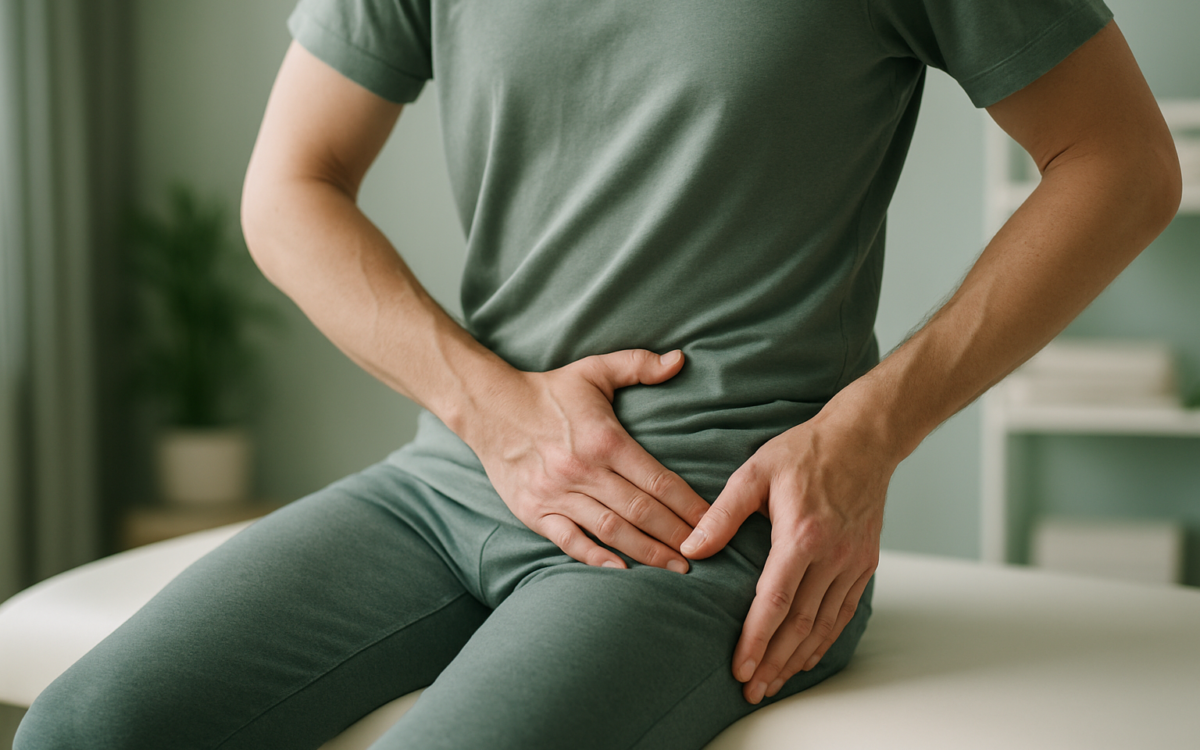
Many people today experience tight hip flexors, often without realizing it. This condition can stem from various causes, including prolonged sitting, lack of physical activity, or even certain athletic pursuits. When your hip flexors tighten, they can lead to discomfort not only in the hips but also throughout the lower back and legs. Understanding this condition is key to finding relief and improving your overall mobility. In this article, we’ll explore the causes, symptoms, and effective strategies to relieve tight hip flexors.
What Are Hip Flexors?
The hip flexors are a group of muscles that play a crucial role in the movement of your hips and knees. This group includes the iliopsoas, rectus femoris, and sartorius muscles. They allow you to perform motions like walking, running, and even simple activities like getting in and out of chairs. When these muscles are tight or strained, it can limit your range of motion and lead to discomfort.
Common Causes of Tight Hip Flexors
Understanding what causes tight hip flexors can help you take proactive steps to prevent or alleviate the condition. Here are several common causes:
- Prolonged Sitting: In today’s digital age, many people spend hours sitting at desks or in front of screens. This position can shorten the hip flexor muscles, leading to increased tightness.
- Lack of Physical Activity: Sedentary lifestyles can weaken muscles, making them less adaptable to stress and leading to tightness.
- Overuse in Sports: Athletics that involve repetitive hip flexor usage, such as running, cycling, or kicking, can result in tightness if not properly prepared for these demands.
- Poor Posture: Slouching or improperly supporting your back while sitting can affect how your hip flexors function, leading to tightness over time.
Signs and Symptoms of Tight Hip Flexors
Recognizing the signs and symptoms of tight hip flexors is essential for determining if this is impacting you. Common symptoms include:
- Discomfort in the hips: You may feel a persistent tightness in the hip region, which can worsen with prolonged sitting or specific activities.
- Lower back pain: Tight hip flexors can affect your posture, leading to strain in your lower back.
- Difficulty with movement: You may notice reduced flexibility when performing activities like bending over or squatting.
- Leg discomfort: Sometimes, tight hip flexors can cause pain that radiates down into your thighs or knees, often described as a deep ache.
Effective Stretches and Exercises
If you’re dealing with tight hip flexors, incorporating specific stretches and exercises into your routine can provide relief. Here are a few effective ones:
1. Kneeling Hip Flexor Stretch
From a kneeling position, lower your body into a lunge, with one foot forward and the other knee on the ground. Gently push your hips forward and hold this position for 20-30 seconds.
2. Pigeon Pose
This yoga pose helps open up the hips. Start in a plank position, bring one knee forward toward your wrist, and extend the opposite leg straight back. Hold for 20-30 seconds before switching sides.
3. Bridge Pose
Lie on your back with your knees bent and feet flat on the ground. Lift your hips off the ground while squeezing your glutes. Hold for a few seconds before lowering back down.
4. Standing Quad Stretch
While standing, grab your ankle and pull your heel toward your glutes, keeping your knees together. Hold for 20-30 seconds, then switch sides.
Posture Tips for Prevention
Good posture can significantly reduce the likelihood of developing tight hip flexors. Here are some tips to improve your posture, especially if you sit for long periods:
- Use an ergonomic chair: Ensure your chair supports your lower back and allows your feet to rest flat on the floor.
- Take breaks: Stand up and move around every 30-60 minutes to relieve joint pressure and stretch your muscles.
- Practice mindfulness: Being aware of your posture while sitting or standing can help prevent slouching and other poor habits.
- Alternate sitting positions: When sitting, try using a stability ball or standing desk periodically to engage your core and keep your hips mobile.
When to See a Doctor
If your tight hip flexors are causing significant pain, affecting your mobility, or leading to persistent discomfort, it’s crucial to consult a healthcare professional. They can help determine if there are underlying issues such as injury or structural problems that require medical attention. The National Institutes of Health (NIH) suggests seeking professional help if home remedies and exercises do not alleviate your symptoms (NIH).
Additionally, if you experience symptoms like severe pain, swelling, or a noticeable limp, it’s advisable to consult with a physician. Addressing any concerns early on can help prevent further complications and improve your quality of life.
Conclusion
Tight hip flexors can have a real impact on your daily activities and overall well-being. By understanding the causes and symptoms, you can take proactive steps to stretch and strengthen this crucial muscle group. Regular exercise, combined with proper posture and breaks from prolonged sitting, can help maintain flexibility and comfort in your hips. If you find that stretching and lifestyle changes aren’t enough to relieve your discomfort, don’t hesitate to reach out to a healthcare professional for guidance and support.
