
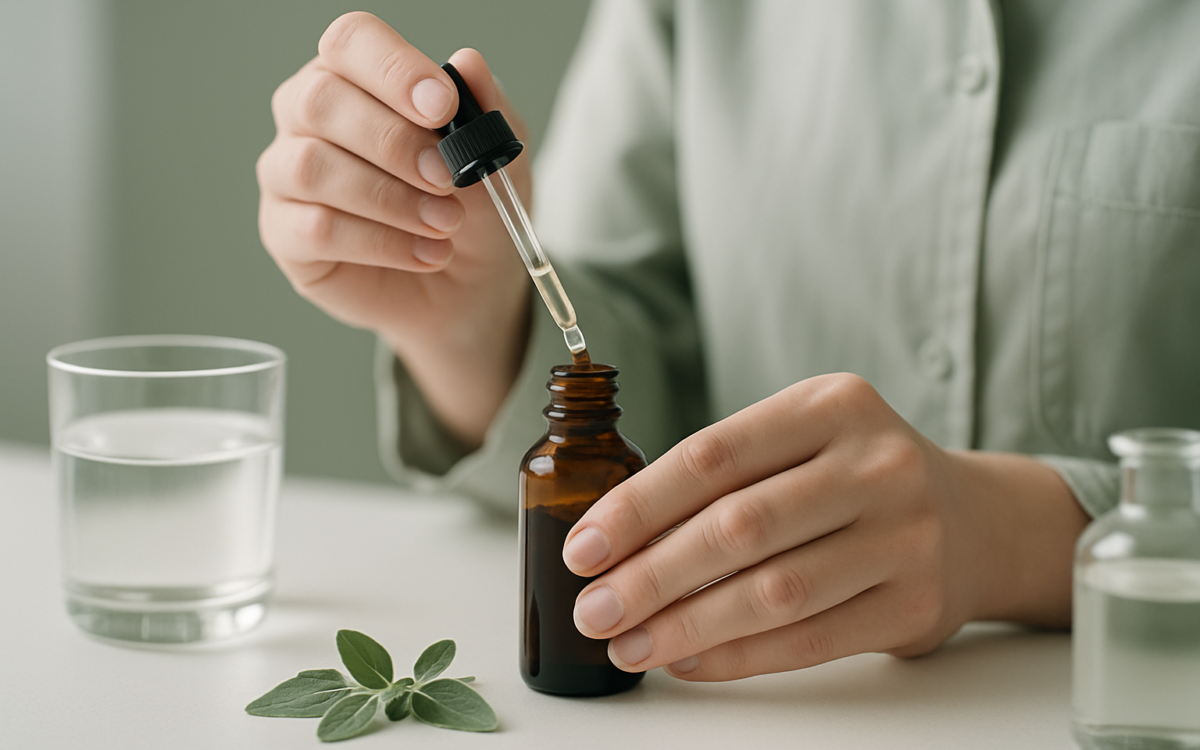
Tinctures are concentrated liquid extracts made from herbs, flowers, and even some roots. They have been used for centuries in herbal medicine for their potent properties. While they may seem complex, understanding tinctures is simpler than you might think. Let’s dive into what tinctures are, how they are made, and their various uses.
What Exactly Is a Tincture?
A tincture is an alcohol-based extract of a plant’s medicinal properties. By soaking plant materials in alcohol, the tincture captures the active compounds that may have health benefits. The alcohol acts as a solvent, pulling out essential oils and nutrients from the plant materials, which can include anything from herbs and spices to flowers and roots.
Tinctures are generally more potent than other forms of herbal extracts, such as teas or powders, and they have a longer shelf life. When you take a tincture, you’re often getting a concentrated dose of the plant’s beneficial compounds.
How Are Tinctures Made?
Making a tincture can be done at home or commercially. The basic steps involved in creating a tincture are:
- Select your herb: Choose fresh or dried herbs that have known medicinal properties.
- Prepare the plant material: If using fresh herbs, chop or bruise them to release their juices. Dried herbs should be crumbled or ground into a finer consistency.
- Choose your alcohol: Most tinctures are made using high-proof alcohol like vodka or grain alcohol. The higher the proof, the better the extraction.
- Mix the herbs and alcohol: Place the plant material in a jar and cover it completely with alcohol. The mixture should typically be around 25% to 60% alcohol.
- Let it steep: Seal the jar and store it in a cool, dark place for several weeks, shaking it gently each day. This helps to ensure thorough extraction.
- Strain and bottle: After the steeping period, strain out the plant material using a cheesecloth or fine strainer, and transfer the liquid into a dropper bottle or jar for storage.
Uses of Tinctures
Tinctures are known for various uses, ranging from wellness support to addressing specific health concerns. Here are some common applications:
- Health benefits: Many people use tinctures made from herbs like echinacea or elderberry to support immune function, especially during cold and flu season.
- Calming effects: Tinctures containing valerian root or chamomile can be used to promote relaxation and better sleep.
- Pain relief: Certain tinctures made from herbs like turmeric or devil’s claw may be used to help alleviate discomfort from chronic pain.
- Digestive support: Bitter herbs in tincture form, such as dandelion or artichoke, can stimulate digestion and appetite.
It’s important to note that while tinctures can have potential benefits, everyone’s body reacts differently. Therefore, it’s wise to consult a healthcare professional before starting any new supplement, including tinctures.
Advantages of Tinctures
There are several reasons why people opt for tinctures over other forms of herbal medicine:
- Potency: Due to their concentrated nature, tinctures often require smaller doses compared to teas or capsules.
- Easy dosage: Tinctures usually come with a dropper that makes it simple to measure out doses accurately.
- Long shelf life: Properly stored tinctures can last for years, making them a convenient option for those who do not want to consume herbs daily.
Are There Any Risks?
While tinctures can be beneficial, there are some risks associated with their use. Alcohol-based tinctures may not be appropriate for everyone. Here are a few considerations:
- Alcohol content: Those who are sensitive to alcohol, pregnant, or recovering from substance abuse should avoid tinctures made with alcohol.
- Interactions: Herbal tinctures can interact with medications, enhancing or diminishing their effects. Always consult with a healthcare provider if you are on medication.
- Dosage caution: Because tinctures are concentrated, it’s crucial to adhere to recommended dosages and not to exceed them.
When to See a Doctor
If you experience any adverse reactions when using a tincture, or if you’re considering starting a tincture but have underlying health conditions or take medications, it’s best to consult a doctor. They can help you determine the suitability of tinctures for your health needs and guide you on safe usage.
Conclusion
Tinctures offer a fascinating and accessible way to explore the benefits of herbal medicine. Understanding what tinctures are, their preparation, and their uses can empower you to make informed decisions about incorporating them into your wellness routine. Like any supplement, remember to consult your healthcare provider to ensure that tinctures are right for you. Enjoy maximizing your health with these potent plant extracts!
