
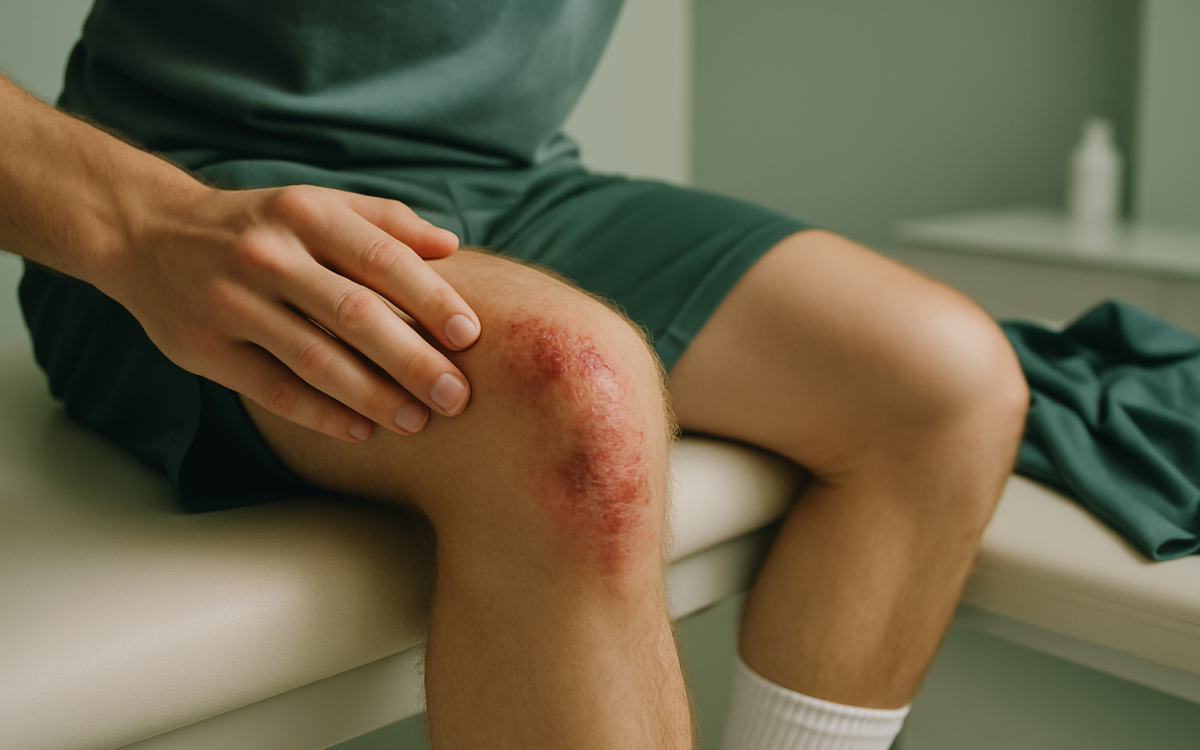
Turf burn is a common injury for athletes playing on artificial surfaces, particularly in sports like football, soccer, and rugby. It occurs when a player’s skin comes into contact with the rough texture of the turf, resulting in abrasion or friction burns. This type of injury can be painful and inconvenient, but knowing how to prevent and treat turf burn can help athletes recover quickly and get back to their game.
What is turf burn?
Turf burn is an abrasion that typically occurs when the skin rubs against the artificial fibers of a turf surface. The injury can range from mild redness and irritation, resembling a scrape, to more severe wounds where the skin may be broken. Turf burns often appear on areas of the body where skin contact is frequent, such as knees, elbows, and hands.
Causes of turf burn
The primary cause of turf burn is the friction generated between skin and the turf during athletic activities. This intense contact can be exacerbated by:
- Falling or sliding on the turf during a game.
- Wearing shorts or short sleeves, which exposes more skin.
- Playing in humid conditions where sweat can increase friction.
- Improper footwear that does not provide adequate grip and support.
Symptoms to expect
Identifying turf burn involves looking for specific symptoms, including:
- Redness and swelling: The affected area may become red and slightly swollen.
- Pain or discomfort: Turf burns can cause tenderness, especially when touched or moved.
- Open wounds: In more severe cases, turf burn can break the skin, leading to more considerable pain and exposure to bacteria.
Preventing turf burn
As the saying goes, prevention is better than cure. Here are some effective tips to prevent turf burn:
- Wear appropriate gear: Use long sleeves and long pants made of suitable athletic material. This can create a protective layer between your skin and the turf.
- Choose the right footwear: Select shoes designed for the specific sport you are playing. Proper footwear can help maintain grip and reduce the risk of falling.
- Practice proper techniques: Learn techniques for sliding or falling to minimize abrasions upon contact with the ground.
- Maintain hydration: Staying hydrated helps keep skin healthy. Dry skin can be more prone to various injuries, including turf burn.
How to treat turf burn
In the event of a turf burn, the right treatment can significantly affect recovery time and minimize complications:
- Clean the area: Gently wash the burn with mild soap and water to remove debris and bacteria. Avoid scrubbing, as this can worsen the injury.
- Apply an antibiotic ointment: After cleaning, apply an over-the-counter antibiotic ointment to reduce the risk of infection.
- Cover the wound: Use a sterile bandage or gauze to keep the burn protected from dirt and bacteria. Change the dressing regularly, particularly if it becomes wet or dirty.
- Avoid picking at scabs: As the turf burn heals, it may form scabs. It’s essential not to pick at them, as this can lead to scarring or infection.
Potential complications
While turf burns often heal without significant issues, they can lead to complications if not managed appropriately. Some potential problems include:
- Infection: If bacteria enter the broken skin, it can lead to an infection, resulting in increased pain, swelling, or pus.
- Scarring: Depending on the severity of the burn, there may be visible scarring after the healing process.
- Decreased performance: Pain or limitations in movement caused by turf burn can impact an athlete’s performance. This is especially true if the injury is not appropriately treated.
When to see a doctor
Consult a healthcare professional if you observe:
- Signs of infection, such as increased redness, swelling, warmth, or pus.
- The burn does not seem to heal after a week.
- Severe pain that does not improve with over-the-counter pain relievers.
Conclusion
Turf burn is a common issue for athletes engaged in sports played on turf, but with the right preventive measures and treatment techniques, it doesn’t have to sideline you for long. By staying informed about what causes turf burn and how to care for it effectively, you can play harder and recover faster. Remember, if you’re ever in doubt about your injury, don’t hesitate to consult a healthcare professional for guidance.
