
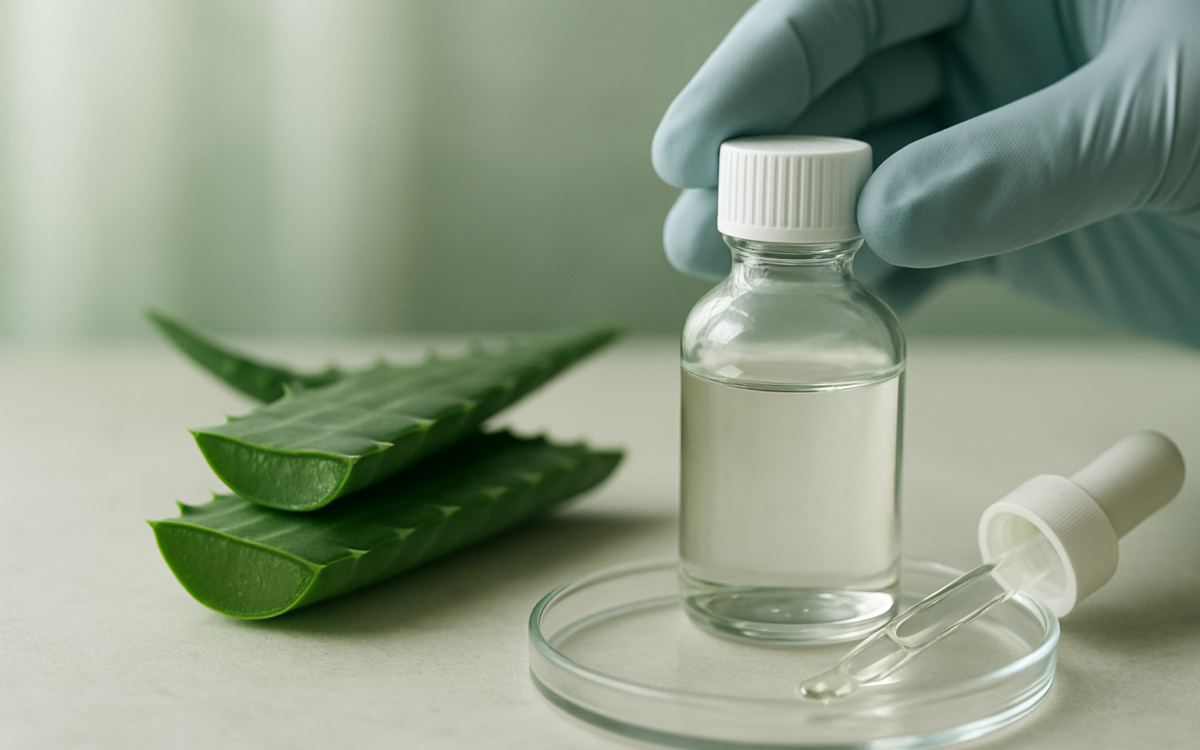
Have you ever come across a product that lists vegetable glycerin as an ingredient and wondered what it actually is? In recent years, this clear, odorless liquid has gained popularity in various health and beauty products. However, many people are still not fully aware of its benefits or potential uses. In this article, we’ll explore vegetable glycerin, its sources, benefits, applications, and what to keep in mind when using it.
What is Vegetable Glycerin?
Vegetable glycerin, also known as glycerol, is a compound derived from plant fats. It is a colorless, odorless liquid that has a sweet taste and is often used in both food and cosmetic industries. Glycerin is a natural byproduct of the process that converts fats into oils or soaps, particularly when producing biodiesel.
Common Uses of Vegetable Glycerin
Vegetable glycerin is incredibly versatile and can be found in various products. Here are some of the most common uses:
- Food Industry: Vegetable glycerin is often used as a sweetener, humectant (a substance that retains moisture), and preservative in food products. It can be found in baked goods, candies, and even beverages.
- Skincare Products: The moisturizing properties of vegetable glycerin make it a popular ingredient in lotions, creams, and serums. It helps to hydrate the skin by drawing moisture from the air.
- Pharmaceuticals: Glycerin is utilized in cough syrups, elixirs, and other medicinal preparations due to its solvent properties.
- Household Items: You can also find vegetable glycerin in cleaning products, hand sanitizers, and even your favorite candles.
Benefits of Vegetable Glycerin
Vegetable glycerin comes with a range of benefits that contribute to its popularity:
- Moisture Retention: One of the most significant advantages of vegetable glycerin is its ability to retain moisture. It is highly hygroscopic, meaning it attracts water molecules. This makes it particularly beneficial for skin hydration and treating dry areas.
- Non-irritating: Unlike some alcohol-based products, glycerin is a gentle ingredient that is less likely to irritate the skin, making it suitable for those with sensitive skin.
- Sweet Alternative: For those looking for natural sweeteners, vegetable glycerin can be a healthier alternative to sugar in various recipes. It has a lower glycemic index compared to traditional sugars, which makes it a decent option for sweetening.1
Potential Side Effects and Considerations
While vegetable glycerin is generally considered safe for most people, there are a few considerations to keep in mind:
- Digestive Issues: Ingesting large amounts can sometimes cause gastrointestinal discomfort, including diarrhea. Moderation is key, especially if you’re using it as a sweetener.
- Fungi and Bacteria Growth: Although it’s a preservative, glycerin can potentially encourage microbial growth if not stored properly. Make sure to keep products in sealed containers and away from direct sunlight.
- Allergic Reactions: Though rare, some individuals might experience allergies to glycerin or its products. Always perform a patch test when trying a new skincare product.
How to Use Vegetable Glycerin in Your Routine
If you’re interested in incorporating vegetable glycerin into your wellness or beauty routine, here are some practical tips:
- In Skincare: You can apply it directly to your skin or mix it with your favorite moisturizer. It’s especially effective for dry or dehydrated skin.
- As a Natural Sweetener: Use it to sweeten smoothies, baked goods, or salad dressings. Remember to adjust other sugars in your recipes to maintain the right sweetness level.
- In DIY Projects: Consider making your own skincare products, such as masks or scrubs, where vegetable glycerin can serve as a key hydrating ingredient.
When to See a Doctor
If you experience any unusual reactions or persistent discomfort after using products containing vegetable glycerin, it’s essential to consult a healthcare professional for advice. This is especially important for people who have known allergies or pre-existing skin conditions.
Conclusion
Vegetable glycerin is a multifunctional ingredient that can play a valuable role in health, wellness, and beauty. From its ability to moisturize the skin to serving as a healthier sweetener, its versatility makes it a favorite among many. As with any ingredient, it’s crucial to use it wisely and consult with a healthcare provider if you have any questions or concerns about its use in your routine.
