
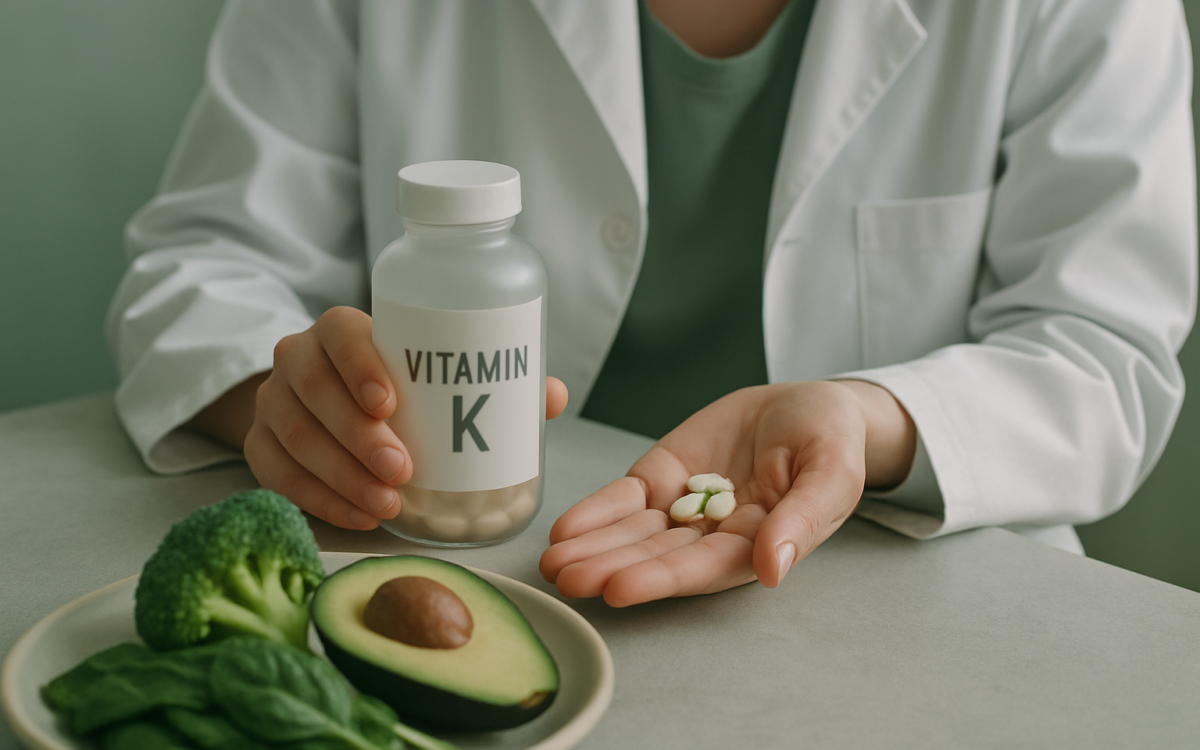
Vitamin K is often overlooked but plays a crucial role in maintaining our health. It’s a fat-soluble vitamin that helps our bodies perform several essential functions, particularly in blood clotting and bone health. In this article, we will explore what vitamin K is, the two main types, its benefits, sources, and what happens if you don’t get enough of it.
What is vitamin K?
Vitamin K is one of the essential vitamins that our bodies need to function correctly. It was discovered in 1929 by a Danish scientist named Henrik Dam. The ‘K’ stands for ‘Koagulation,’ which is German for coagulation, reflecting its role in blood clotting.
There are two main forms of vitamin K that are important for our health:
- Vitamin K1 (phylloquinone): Found primarily in green leafy vegetables, such as kale, spinach, and broccoli.
- Vitamin K2 (menaquinone): Found in some animal products and fermented foods, such as cheese, eggs, and natto (a fermented soybean dish).
Why is vitamin K important?
Vitamin K is essential for several crucial functions in the body, including:
- Blood Clotting: The most well-known function of vitamin K is its role in the process of blood coagulation. Without adequate vitamin K, our bodies wouldn’t be able to stop bleeding when we get cut or injured.
- Bone Health: Vitamin K supports bone metabolism and helps to prevent fractures. It plays a role in the regulation of calcium in the bones and bloodstream.
- Heart Health: Some studies suggest that vitamin K may help in reducing arterial calcification, thus contributing to cardiovascular health.
These roles highlight the importance of including vitamin K-rich foods in your diet for overall health and wellness.
Sources of vitamin K
Getting enough vitamin K is relatively easy if you eat a balanced diet. Here are some excellent sources:
Vegetable Sources
- Leafy Greens: Kale, spinach, collard greens, and Swiss chard are among the best plant sources.
- Broccoli and Brussels Sprouts: Both are high in vitamin K and can easily be added to various dishes.
Animal and Fermented Sources
- Egg Yolks: A good source of K2, which assists in various bodily functions.
- Natto: This fermented soy product is extremely rich in vitamin K2 and is popular in Japanese cuisine.
- Cheese: Certain types of cheese, especially hard cheeses, provide a decent amount of K2.
Incorporating a variety of these foods into your meals can help ensure you’re getting enough vitamin K.
Vitamin K deficiency: Causes and symptoms
Though it’s rare, a deficiency in vitamin K can occur. This can happen for several reasons, including:
- Poor Dietary Intake: Not eating enough green vegetables or sources of K2 can lead to deficiency.
- Absorption Disorders: Conditions such as celiac disease or cystic fibrosis can impair the body’s ability to absorb fat-soluble vitamins, including vitamin K.
- Medications: Some anticoagulant medications can interfere with the body’s use of vitamin K.
The symptoms of vitamin K deficiency can vary but may include:
- Easy bruising
- Excessive bleeding from minor cuts
- Prolonged bleeding times after surgery
- Bone weakness or fractures
If you suspect you may be experiencing symptoms of a deficiency, it’s essential to speak with a healthcare professional.
Is vitamin K safe? Potential risks and interactions
Vitamin K is generally considered safe for most people. The body regulates its levels effectively, and toxicity is rare. However, certain groups should take precautions:
- People on Anticoagulant Medications: If you take blood thinners, maintaining a consistent intake of vitamin K is crucial, as it can affect how these medications work.
- Pregnant and Nursing Women: While vitamin K is essential during pregnancy and breastfeeding, consulting with a healthcare provider is always best.
Always discuss any supplementation or significant dietary changes with your doctor, especially if you have underlying health conditions.
Conclusion
Vitamin K is essential for our overall health, especially regarding blood clotting and bone strength. Including a variety of vitamin K-rich foods in your diet can help support these vital functions. If you suspect a deficiency or have health concerns, consulting a healthcare provider is critical to ensure your dietary needs are met.
When to see a doctor
If you notice symptoms such as easy bruising, excessive bleeding, or frequent fractures, it’s important to consult a healthcare professional. They can provide appropriate tests and guidance tailored to your specific health needs.
