
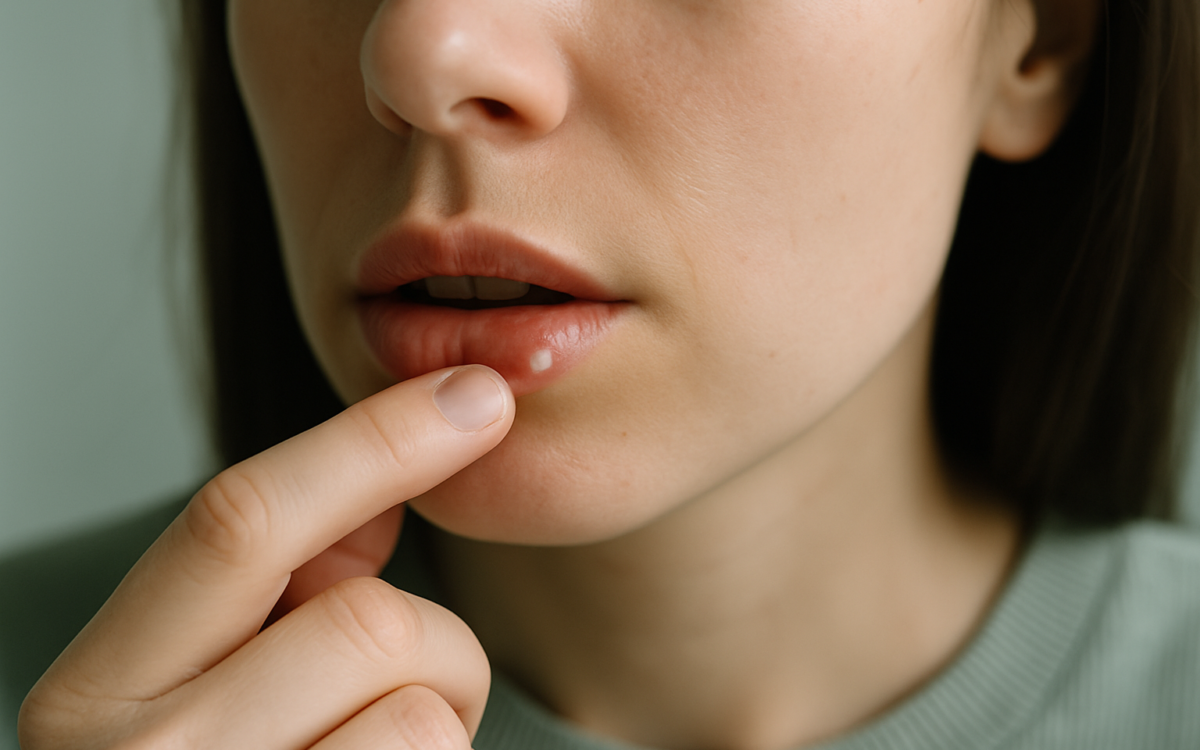
Noticing a white blemish on your lip can be concerning. While it may cause worry, many lip blemishes are benign and can be treated easily. Understanding their causes, symptoms, and treatment options can help you manage this common issue effectively.
Common Causes of White Blemishes on the Lip
White blemishes on the lip can arise from various factors. Some of the most common include:
- Canker Sores: These are small, painful ulcers that can appear inside the mouth or on the gums and lips. Canker sores are often gray or white with a red halo and may be triggered by stress, certain foods, or hormonal changes.
- Cold Sores: Also known as fever blisters, cold sores are caused by the herpes simplex virus. They often start as small, fluid-filled blisters that eventually crust over. Initial outbreaks can be quite painful and may recur during periods of stress or illness.
- Fordyce Spots: These are harmless sebaceous glands that appear as small white or yellowish bumps on the lips or inside the cheeks. They are not a cause for concern and do not require treatment.
- Pearly Penile Papules: Although more commonly found on the penis, some individuals may notice similar bumps on their lips. These are considered normal anatomical variations and pose no health risks.
- Oral Lichen Planus: This is an inflammatory condition that can cause white patches inside the mouth and on the lips. In severe cases, it may lead to ulcers or blisters. The exact cause remains unclear, but it may be linked to immune system issues.
Identifying Symptoms
Recognizing the symptoms accompanying the white blemish can help determine its cause. Here are some symptoms to consider:
- Pain or Discomfort: Canker sores and cold sores often cause a burning or painful sensation.
- Itching or Tingling: Many individuals experience a tingling or itching sensation before the cold sore appears.
- Swelling or Redness: Inflamed areas surrounding the blemish can indicate irritation or infection.
- Changes in Taste: Some conditions, such as oral lichen planus, may affect taste sensations.
Home Remedies for Management
Although some types of white blemishes on the lip may require medical intervention, many can be managed at home. Here are some suggestions:
- Saltwater Rinse: Gargling with warm saltwater can help reduce inflammation and promote healing, especially for canker sores.
- Cold Compress: Applying a cold compress to the affected area may help relieve pain and swelling associated with cold sores.
- Topical Creams: Over-the-counter topical treatments can provide relief from pain and promote healing for cold sores and canker sores. Look for creams containing benzocaine or docosanol.
- Aloe Vera: Known for its soothing properties, aloe vera gel can be applied to the area to ease discomfort and promote healing.
- Good Oral Hygiene: Maintaining proper dental hygiene can help prevent recurring oral issues. Brush and floss regularly and avoid irritating foods.
When to See a Doctor
If your white blemish on the lip persists, changes in appearance, or is accompanied by severe symptoms, it’s time to consult a healthcare professional. You should also seek medical advice if:
- The blemish lasts for more than two weeks without improvement.
- You experience significant pain or discomfort that affects daily activities.
- There is persistent swelling or redness that spreads.
- You notice other unusual symptoms, such as fever or difficulty swallowing.
Preventative Measures for Lip Health
Taking proactive steps can help minimize the risk of developing white blemishes on the lip in the future. Here are some tips:
- Manage Stress: Stress can trigger various skin conditions, including canker sores. Engaging in relaxation techniques such as yoga or meditation can be beneficial.
- Avoid Irritating Foods: Spicy, acidic, or rough-textured foods may trigger canker sores. Maintaining a balanced diet can support overall health.
- Stay Hydrated: Drinking plenty of water keeps your lips and mouth hydrated, reducing the risk of dryness and irritation.
- Use Lip Balm: Applying a moisturizing lip balm can protect your lips from environmental factors that may lead to irritation.
Conclusion
White blemishes on the lip can stem from various causes, including harmless conditions like Fordyce spots and more concerning issues like cold sores. While many blemishes resolve on their own or can be managed at home, it’s essential to monitor your symptoms. If you have persistent or severe blemishes, consulting a healthcare professional can provide clarity and ensure appropriate treatment. Caring for your lip health through good habits and regular check-ups can help prevent future issues.
