
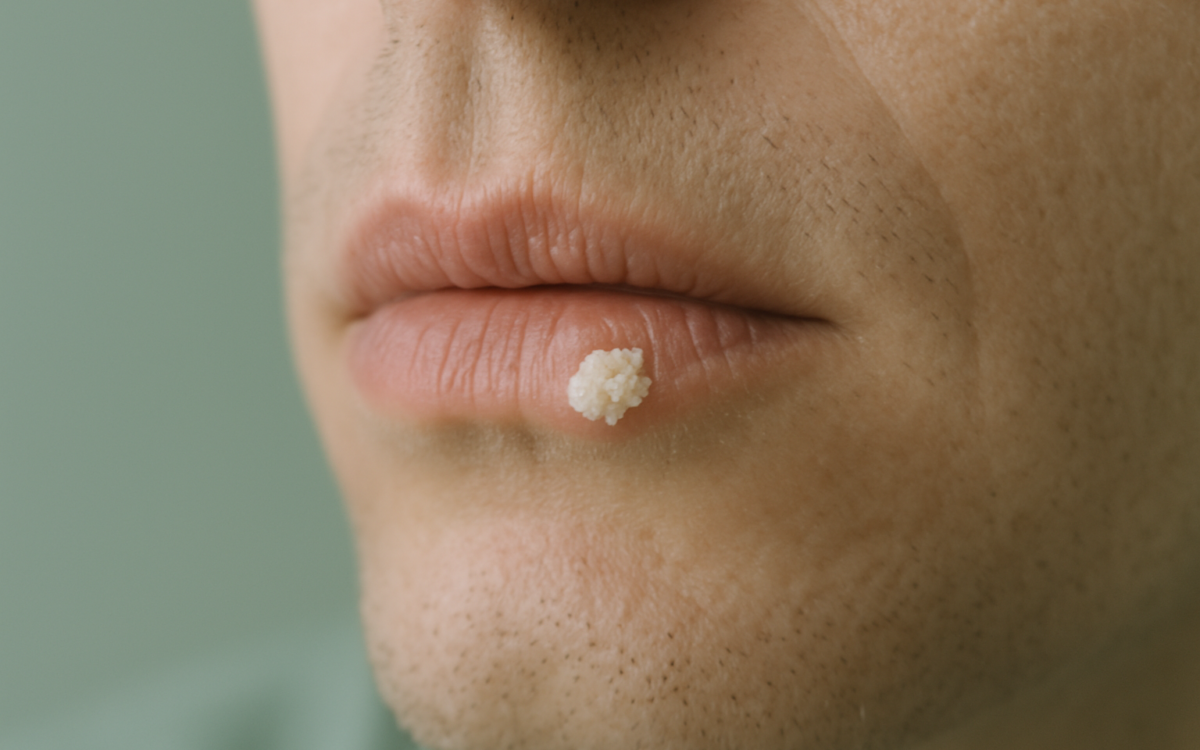
Your lips are sensitive and delicate, making them susceptible to various conditions that can affect their appearance. One common issue that many people may experience is white growth on the lips. While it can be alarming to notice changes in this area, understanding the causes can help ease your concerns and provide guidance on next steps.
Identifying the Types of White Growth
White growths on the lips can manifest in several forms. Recognizing the differences can help in understanding their implications.
- White Spots: These are usually tiny and can arise from a variety of causes, including irritation or minor infections.
- White Patches: Larger areas of white may indicate conditions like leukoplakia, which can develop due to persistent irritation.
- Lesions or Growths: Sometimes, you may notice raised lesions that can be benign or warrant further investigation, especially if they change over time.
Common Causes of White Growths on Lips
Several factors can lead to white growths on the lips. Here are some of the most common reasons:
1. Oral Thrush
Oral thrush is a fungal infection caused by the overgrowth of Candida yeast. It often presents as white patches on the tongue or inside the cheeks but can also spread to the lips. Symptoms may include soreness or difficulty swallowing. If you suspect you have oral thrush, it’s advisable to consult a healthcare professional.
2. HPV and Warts
The human papillomavirus (HPV) can cause warts to develop on the lips. These growths can be skin-colored or white and may be raised. While many HPV-related warts are harmless, some strains are linked to cancer, so it’s crucial to monitor any changes.
3. Leukoplakia
Leukoplakia refers to thick, white patches that can form on the mucous membranes in the mouth, including the lips. This condition is often caused by chronic irritation, such as smoking or rough edges from dental work. While leukoplakia itself is not cancerous, it can sometimes indicate precancerous changes, making it essential to get evaluated by a doctor.
4. Fordyce Spots
Fordyce spots are small, painless, pale bumps that are actually enlarged oil glands. They are common and entirely harmless. These spots can appear on the lips and usually don’t require treatment unless they cause cosmetic concerns.
5. Angular Cheilitis
This condition occurs when the corners of the mouth become cracked and inflamed. While it might not initially present as a white growth, sometimes an infection can develop, leading to white patches. Common causes include fungal infections or prolonged drooling.
Symptoms to Watch For
In addition to the visible changes, pay attention to any accompanying symptoms. This may include:
- Pain or discomfort
- Difficulty eating or drinking
- Increased sensitivity in the lip area
- Changes in color or texture of the surrounding skin
If you experience any of these symptoms along with white growths on your lips, it may indicate a more serious issue that requires attention.
When to See a Doctor
Although many cases of white growth on the lips are benign, knowing when to seek medical help is important. Consider seeing a doctor if:
- The white growth persists for more than two weeks
- You experience significant pain or swelling
- The area becomes red or bleeding
- You notice changes in your overall health or additional symptoms elsewhere
Your healthcare provider will perform a thorough examination, and they may recommend further tests or referrals to specialists, depending on your symptoms. They can provide an accurate diagnosis and appropriate treatment options.
Preventive Measures and Home Care
Taking care of your lips can help prevent some of the conditions that lead to white growths. Here are some helpful tips:
- Practice Good Oral Hygiene: Regular brushing and flossing can keep your mouth healthy and reduce the risk of infections.
- Avoid Irritants: Try to limit alcohol and smoking, which can irritate the lips and lead to conditions like leukoplakia.
- Stay Hydrated: Keeping your lips moisturized can help prevent cracks and irritation. Using lip balm can create a protective barrier.
- Use Sunscreen: Protect your lips from sun exposure by using lip products that contain SPF.
By following these preventative measures, you can maintain healthier lips and reduce the likelihood of developing conditions that cause white growth.
Conclusion
White growth on the lips can stem from various causes, ranging from harmless to potentially serious conditions. Understanding the different possibilities can help you determine when to seek medical advice and how to care for your lips effectively. Always listen to your body, and don’t hesitate to consult with your doctor if you have concerns. Your health and well-being are worth it!
