
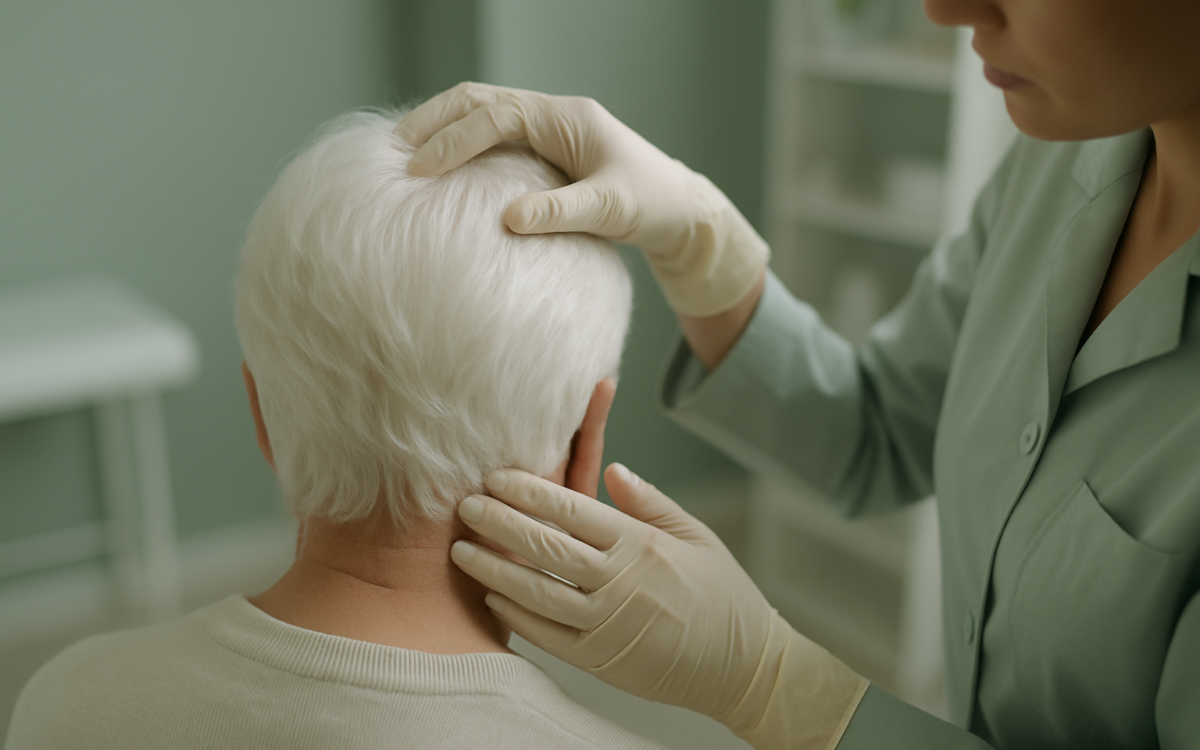
For many, the appearance of white hair can be surprising or even concerning. Whether it happens suddenly or gradually over time, white hair can feel like a significant change. Understanding why our hair turns white can shed light on the natural aging process and help alleviate concerns. Let’s explore the causes, cultural significance, and what to do when you start noticing white hair.
Why Does Hair Turn White?
Our hair gets its color from pigments produced by cells called melanocytes. As we age, these cells gradually produce less pigment, causing our hair to lighten and, eventually, turn white. This process is a natural part of aging. However, there are several factors that can contribute to the appearance of white hair beyond just getting older.
Common Causes of White Hair
- Genetics: One of the primary reasons some people experience white hair earlier than others is genetics. If your parents went gray early, you might be predisposed to the same.
- Stress: While stress doesn’t directly turn hair white, it can lead to conditions that may, in turn, affect your hair. For instance, significant stress can lead to telogen effluvium, causing temporary hair loss or changes in texture.
- Dietary Deficiencies: Lacking essential vitamins and minerals, such as vitamin B12, iron, and copper, can affect hair pigmentation. A balanced diet plays a crucial role in maintaining healthy hair.
- Medical Conditions: Certain medical conditions, including autoimmune diseases like vitiligo, can cause your hair to lose its color. Conditions like thyroid disorders can also influence hair pigmentation.
- Smoking: Research suggests that smoking may increase the chances of early graying. The toxins in cigarettes can affect your overall health, including your hair pigmentation.
Is White Hair the Same as Gray Hair?
Many people use the terms “white hair” and “gray hair” interchangeably, but they are not quite the same. Gray hair typically contains a mix of hairs with colored and non-colored (white) strands, while all white hair indicates a complete lack of pigment. The distinction matters not just technically but also culturally, as gray hair is often perceived as a sign of wisdom, while white hair can have different cultural interpretations and connotations.
Cultural Perspectives on White Hair
Across cultures, hair color can carry varied meanings and indicate different aspects of identity and social status. In many cultures, white or gray hair is associated with age and wisdom, often earning respect. In some societies, it symbolizes a transition into a new stage of life.
However, in other contexts, the onset of white hair might be viewed negatively, often associated with aging and loss of youth. In contrast, some individuals embrace white hair, wearing it as a badge of honor that reflects their life experiences.
How to Manage White Hair
If you’re concerned about the appearance of white hair, there are a few options to consider:
- Hair Dyes: Many people choose to dye their hair to cover up white strands. There are various products available, from temporary color sprays to permanent hair dyes.
- Nutritional Changes: Improving your diet to include more vitamins and minerals may support overall hair health. Foods rich in vitamin B12, iron, and copper can positively impact hair pigmentation.
- Accepting Changes: For some, accepting white hair as a natural sign of aging can be empowering. Many celebrities and public figures embrace their natural hair, encouraging others to do the same.
The Emotional Impact of White Hair
Seeing white hair can bring up feelings about aging and self-image. Many people associate hair color with youth and vitality. The surprise or distress that may accompany the first sightings of white or gray hair is normal.
For some, this change might signify a shift in identity or how others perceive them. Talking through these feelings with friends, loved ones, or even a mental health professional can provide support. Finding role models who challenge the societal norms around aging can also be uplifting.
When to See a Doctor
If you notice a sudden loss of pigmentation, particularly if it’s accompanied by other symptoms like hair thinning or health changes, consult a healthcare provider. Conditions such as autoimmune diseases or nutritional deficiencies may require professional evaluation. You can learn more about hair health at sources like the National Institutes of Health and the Centers for Disease Control and Prevention.
Conclusion
White hair is a natural occurrence that can be influenced by various factors, including genetics, stress, and dietary habits. While its emergence might invoke different reactions, understanding its causes can help normalize the experience. Whether you choose to cover white hair or embrace it, one thing is clear: our hair is just a part of the aging journey, full of stories and experiences. Celebrate where you are in life, and remember that aging gracefully has its own beauty.
