
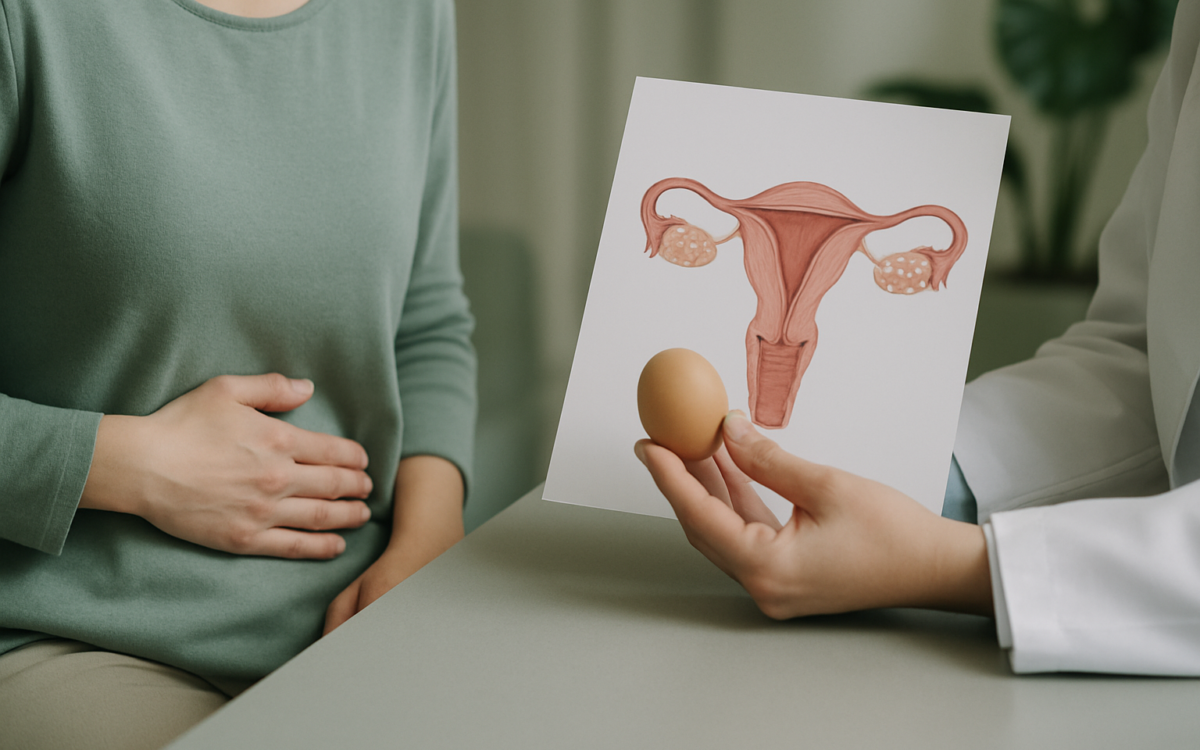
The female body is a marvel of biology, and one of its most fascinating aspects is the way women are born with a finite number of eggs. Understanding how many eggs a woman has, and how this number changes over time, can provide valuable insights into reproductive health and family planning. This article aims to shed light on the number of eggs women have, influencing factors, and what that means for fertility.
How many eggs does a woman have at birth?
When a female fetus develops in the womb, she has around 6 to 7 million eggs by the time she reaches 20 weeks gestation. However, this number declines dramatically. By the time a girl is born, the number of eggs drops to about 1 to 2 million. This is the peak of a woman’s egg count, as she enters life with a nearly complete supply of potential eggs.
Egg count through the years
Throughout a woman’s life, the number of eggs continues to diminish. Here’s a brief timeline of how egg count varies:
- Childhood (0-12 years): Women will have approximately 300,000 to 400,000 eggs by puberty.
- Puberty to early adulthood (12-25 years): While a woman will have around 300,000 eggs at the start of her first menstruation, only about 400 to 500 of those eggs will be ovulated during her reproductive years.
- Reproductive years (25-35 years): Egg quality is generally highest during this time, leading to better chances of conception.
- Late 30s to early 40s: The number of available eggs decreases significantly, and fertility begins to decline. By age 40, the likelihood of pregnancy drops dramatically.
- Menopause (around 50 years): By this stage, most women have very few, if any, remaining eggs.
Factors that affect egg count
While every woman has a biological clock when it comes to her egg count, several factors can influence not just the quantity, but also the quality of eggs:
- Age: Age is one of the most critical factors affecting egg count and quality. As previously mentioned, egg quantity and quality decline over time, especially after age 35.
- Genetics: Some women may have a genetic predisposition affecting their ovarian reserve. Certain conditions, such as Turner syndrome, can lead to a reduced ovarian reserve from birth.
- Health and lifestyle: Factors such as smoking, obesity, and certain medical conditions can impact a woman’s egg health. A healthy lifestyle, including a balanced diet and regular exercise, can support reproductive health.
- Medical conditions: Conditions like polycystic ovary syndrome (PCOS) and autoimmune diseases can also influence egg quantity and quality.
Understanding ovarian reserve
Ovarian reserve refers to the quantity and quality of a woman’s eggs. It helps doctors evaluate a woman’s fertility potential. There are a few ways to assess ovarian reserve:
- Hormonal tests: Blood tests that measure hormones like FSH (Follicle Stimulating Hormone), AMH (Anti-Müllerian Hormone), and estradiol can provide insight into egg quantity.
- Ultrasound: An ultrasound can help visualize the ovaries and count the number of follicles present, which are the structures that contain immature eggs.
- Advanced tests: In some cases, fertility specialists may suggest additional assessments, such as genetic testing or egg freezing, especially for women considering delaying childbirth.
Egg freezing: A modern option
For women who wish to delay building a family, egg freezing has become a popular option. This process allows women to collect and freeze their eggs at a younger age when their egg quality is at its peak. Here are some key points about egg freezing:
- Age and timing: Timing is crucial. Ideally, women should consider egg freezing in their 20s to early 30s.
- Success rates: The success of this procedure can depend on multiple factors, including age at the time of egg retrieval and freezing method.
- Future use: Once thawed, eggs can be used in future fertility treatments to assist with conception.
When to see a doctor
If you are concerned about your reproductive health or have questions regarding your egg count, it may be time to consult a healthcare provider. Signs that warrant a visit include:
- Irregular menstrual cycles
- Difficulty conceiving after one year of trying (or six months if over 35)
- Severe pelvic pain
- Family history of reproductive issues
Conclusion
Understanding how many eggs a woman has is a vital aspect of reproductive health. While every woman is born with a set number of eggs, various factors can influence that count throughout her life. Knowledge about egg count and ovarian reserve can aid women in making informed decisions about family planning and fertility. Always consult with healthcare professionals to discuss individual circumstances and the best course of action for reproductive health.
For more information on women’s reproductive health, consider exploring resources from reputable organizations such as the National Institutes of Health or the World Health Organization.
