
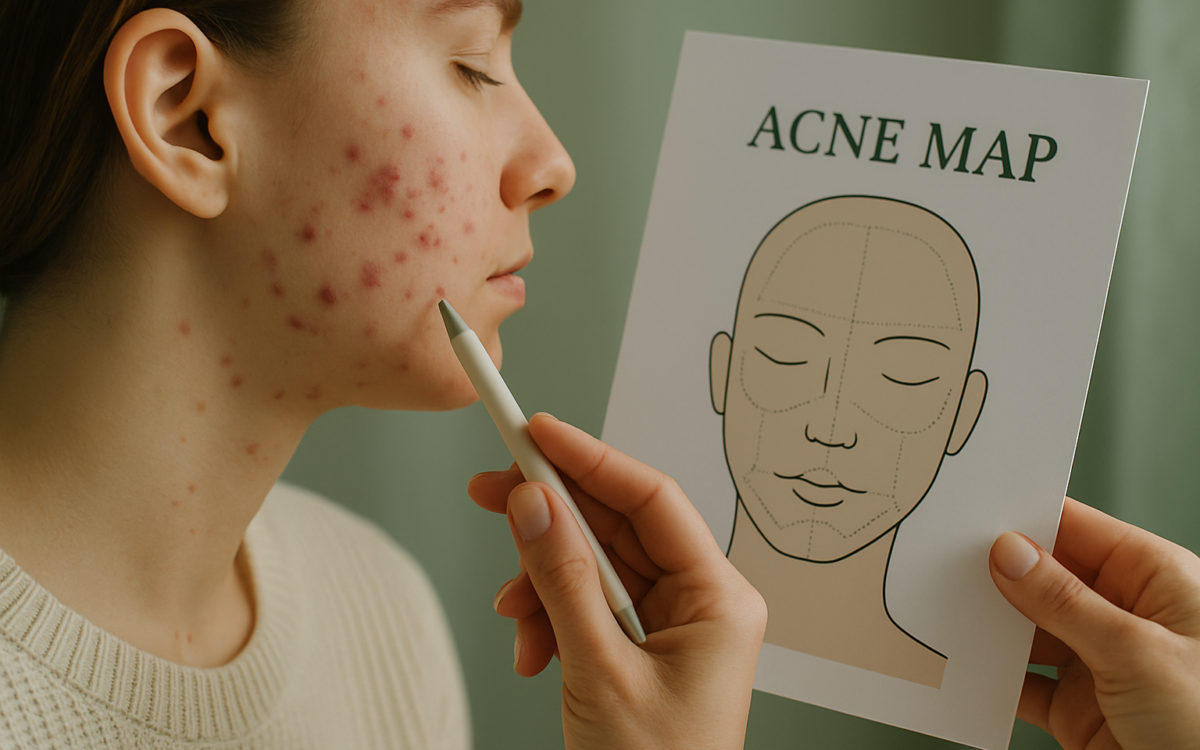
Acne can feel like an unwelcome companion at various stages of life, especially during the teenage years. It’s not just an issue affecting teens; many adults face its challenges too. But did you know that the location of your acne can actually provide valuable insights into its potential causes? This is where the concept of an ‘acne map’ comes into play. Understanding your acne map can help you identify underlying factors that may be contributing to breakouts, enabling more targeted approaches to manage them.
What is an Acne Map?
An acne map is essentially a visual representation of different areas on the face and body where acne tends to occur. Each zone may correspond to specific skin issues or physiological reasons behind breakouts. For example, acne on the forehead, cheeks, or jawline can indicate different triggers. By paying attention to these patterns, you can gain insights into the potential causes of your acne.
Common Zones on the Acne Map
Let’s break down some of the common areas on the acne map and what they may signify:
- Forehead: Breakouts on the forehead can suggest stress and hormonal changes. It may also be linked to poor digestion or an unhealthy diet.
- Cheeks: Acne in the cheek area might relate to external factors like skin irritants, touching your face, or even respiratory issues.
- Chin and Jawline: Pimples in this region are frequently associated with hormonal fluctuations, particularly during menstruation.
- Nose: Breakouts here can be due to excess oil production and problems with the liver. A diet high in unhealthy fats might also play a role.
- Back and Shoulders: These areas are prone to body acne, which often results from sweat, friction from clothing, or a buildup of dead skin cells.
Factors Contributing to Acne in Different Areas
Understanding the potential causes for acne in these various areas can help inform your skincare routine. Here are some vital factors:
Hormonal Changes
Women often experience acne flare-ups around their menstrual cycles due to hormonal changes. The fluctuation of estrogen and progesterone can lead to increased oil production, resulting in breakouts.
Diet and Nutritional Choices
Your diet can significantly affect your skin health. Consuming a lot of sugary, processed, or dairy-rich foods may exacerbate breakouts. Try focusing on a balanced diet rich in fruits, vegetables, and whole grains, as these can improve skin quality.
Stress Levels
High-stress levels trigger the release of cortisol, which can lead to increased oil production in the skin, often resulting in acne. Finding effective stress-relief strategies like exercise, meditation, or relaxation techniques can be beneficial.
Skincare Routines to Address Specific Areas
Each acne-prone area may benefit from tailored skincare routines. Here are some tips to consider:
For the Forehead
Opt for a gentle exfoliating scrub or salicylic acid-based product to help clear away dead skin cells and excess oil.
For the Cheeks
Focus on a cleansing regimen to remove impurities. Consider using non-comedogenic makeup and skincare products to prevent clogging pores.
For the Jawline
Utilize hormonal treatments if needed—consulting a dermatologist can help determine the right path. Keeping your face clean while avoiding tight clothing will also help.
For the Back and Shoulders
Use body washes with salicylic acid or benzoyl peroxide to target body acne. Wearing breathable fabrics and showering promptly after exercising can further prevent breakouts.
When to See a Doctor
It’s important to consult a healthcare professional if:
- Your acne is severe and causing pain or scarring
- Over-the-counter treatments haven’t helped after several weeks
- You notice sudden shifts in your skin health
Dermatologists can offer insight into personalized treatments and help manage more complex acne issues, as well as assist with addressing potential hormonal or dietary concerns.
Conclusion
Recognizing the patterns within your acne map can provide crucial clues about your skin’s health. By understanding where and why breakouts occur, you can take proactive steps to address them. Remember, every person’s skin is unique, and what works for one person may not work for another. As always, consider consulting with a healthcare provider for personalized advice and treatment options tailored to your needs.
For further information on acne, you can visit reputable resources like the NIH or the Mayo Clinic.
