
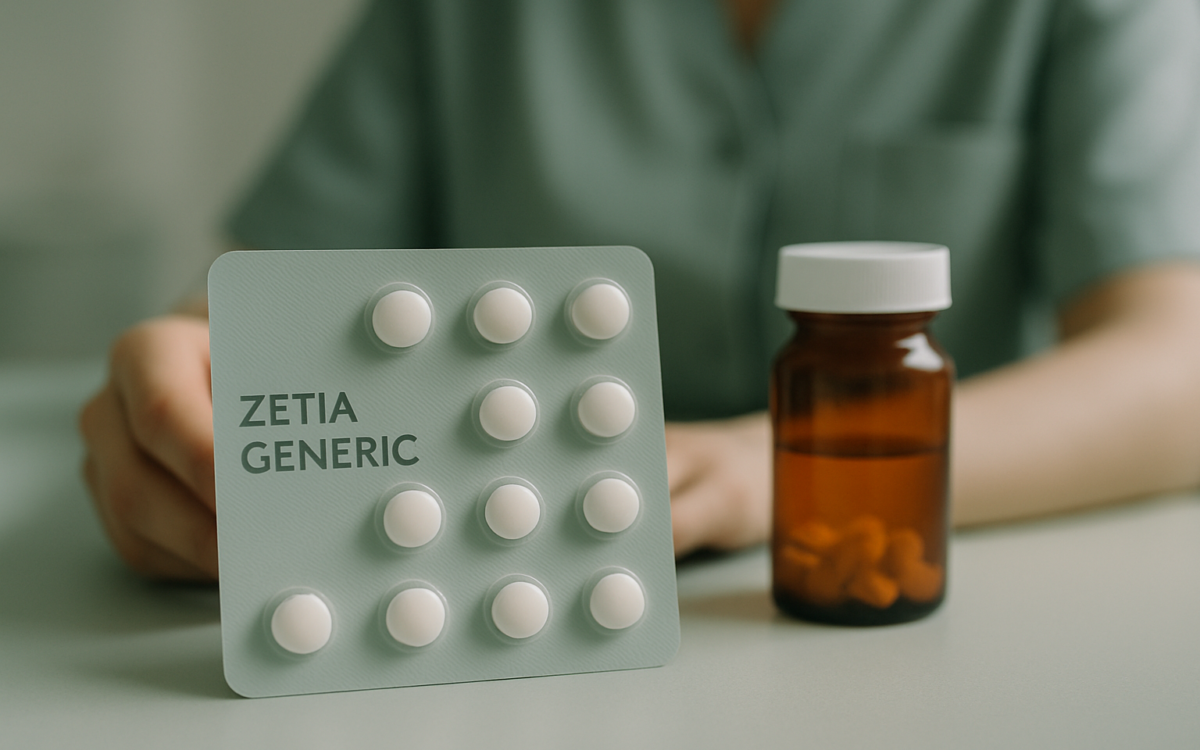
High cholesterol affects many people in the United States and around the world. To manage this health issue, doctors often prescribe medications that help lower cholesterol levels. One of these medications is Zetia, known generically as ezetimibe. This article will delve into what the generic version of Zetia offers, its benefits, side effects, and much more.
What is Zetia (Ezetimibe)?
Zetia is a medication that helps lower cholesterol levels in the blood. It works by reducing the amount of cholesterol absorbed from food in the intestines. Ezetimibe, the active ingredient in Zetia, is often prescribed for patients who cannot achieve their cholesterol targets through diet and exercise alone. In some cases, it is combined with a statin, a different type of cholesterol-lowering medication, for enhanced effects.
Benefits of Using Zetia Generic
Generic medications like ezetimibe provide the same efficacy and safety profile as their brand-name counterparts, such as Zetia. One of the key advantages of choosing the generic version is cost. Generic drugs are often significantly less expensive than brand-name drugs, making them more accessible to a wider range of patients.
Cost Considerations
According to the National Institutes of Health, the price difference can be substantial. Patients may find that the generic version of ezetimibe can help them save money on their monthly healthcare costs without sacrificing effectiveness.
How Ezetimibe Works in the Body
The primary function of ezetimibe is to lower levels of low-density lipoprotein (LDL) cholesterol, also known as “bad” cholesterol. It achieves this by working directly in the intestines to block the absorption of cholesterol from food and bile. This mechanism is different from statins, which primarily work by blocking cholesterol production in the liver.
Common Side Effects
Like all medications, ezetimibe can have side effects. It’s essential to be aware of these potential issues while taking the drug. Some of the most common side effects include:
- Abdominal pain
- Diarrhea
- Fatigue
- Muscle pain
While these side effects are generally mild, it’s important to consult your doctor if they become bothersome. Serious side effects can occur, although they are rare. These may include severe allergic reactions or liver problems.
Potential Drug Interactions
If you’re taking other medications, make sure to disclose this information to your healthcare provider. Ezetimibe can interact with certain drugs, including statins and anticoagulants, leading to increased risks of side effects. Always consult your doctor before making any changes to your medication regimen.
Who Should Consider Ezetimibe?
Patients who have high cholesterol and are unable to manage their condition through lifestyle changes often benefit from ezetimibe. It’s particularly useful for people who:
- Have a history of cardiovascular diseases
- Are unable to tolerate statins
- Need additional cholesterol-lowering effects when taking a statin
Before starting any new medication, including generics, a thorough discussion with your healthcare provider is important. They can help determine if ezetimibe is suitable for your health needs and provide personalized recommendations.
Monitoring Your Cholesterol Levels
While taking ezetimibe, regular cholesterol testing is crucial. Your doctor will likely schedule periodic blood tests to monitor your cholesterol levels and ensure the medication is working effectively. These tests can help determine if any adjustments to your treatment plan are necessary.
Healthy Lifestyle Choices
In addition to medication, adopting a heart-healthy lifestyle can significantly contribute to managing cholesterol levels. Consider these tips:
- Eat a balanced diet rich in fruits, vegetables, and whole grains
- Limit saturated fats and trans fats
- Engage in regular physical activity
- Maintain a healthy weight
Combining medication with these lifestyle changes can lead to better health outcomes and lower the risk of heart disease.
When to See a Doctor
If you experience any unusual symptoms or side effects while taking ezetimibe, it’s important to consult your healthcare provider promptly. Additionally, seek medical attention if you notice signs of severe allergic reactions, such as swelling of the face or difficulty breathing.
Conclusion
The generic version of Zetia, known as ezetimibe, is a viable option for many patients dealing with high cholesterol. With cost benefits and a safety profile similar to the brand-name drug, it can be an excellent choice for managing cholesterol levels. As always, discussions with your healthcare provider can help ensure you’re making the best decision for your individual health needs.
