
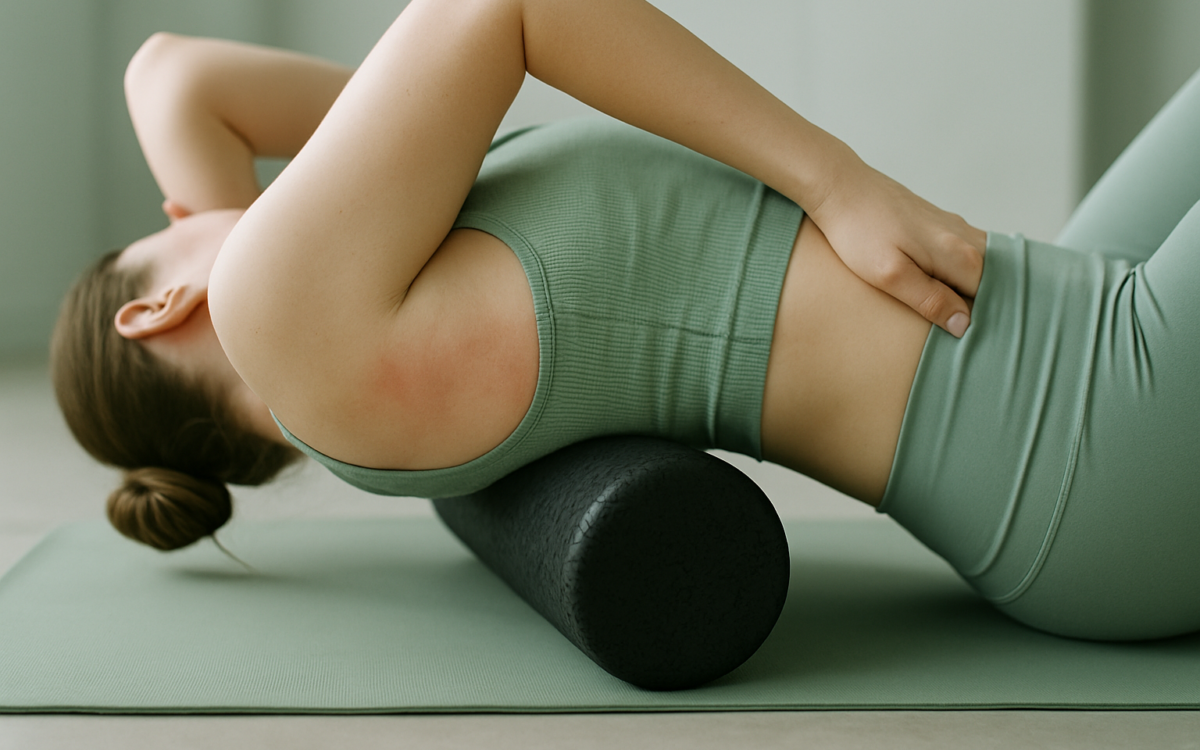
Many people experience a sore back at some point in their lives. Whether it’s from a long day at work, intensive exercise, or even stress, back pain can be a real nuisance. Finding effective ways to ease this discomfort is crucial to maintaining an active lifestyle. One tool that has gained popularity among fitness enthusiasts and physical therapists alike is the foam roller. But how does it work, and how can it help relieve a sore back? Let’s dive into the benefits and techniques of using a foam roller.
What Is a Foam Roller?
A foam roller is a cylindrical piece of foam used for self-myofascial release, a technique designed to relieve muscle tension and soreness. Foam rollers come in various densities and sizes but typically measure around 36 inches long and 6 inches in diameter. They are lightweight, portable, and relatively inexpensive, making them accessible to most individuals.
How Foam Rolling Benefits Your Back
Foam rolling offers numerous benefits for your sore back, including:
- Improved Blood Flow: Rolling over sore muscles can enhance circulation, delivering oxygen and nutrients to tissues and promoting recovery.
- Reduced Muscle Tension: Foam rolling helps to relax tight muscles, which can alleviate pain and improve overall mobility.
- Increased Range of Motion: Regular use of a foam roller can help maintain flexibility in the back muscles, allowing for better overall movement.
- Pain Relief: The pressure applied during foam rolling can stimulate the nervous system, effectively reducing the sensation of pain.
Getting Started: Proper Foam Rolling Techniques
Using a foam roller may seem straightforward, but proper technique is essential to maximize its benefits while minimizing the risk of injury. Here are some tips to keep in mind:
- Slow and Steady: Move slowly over the roller, spending about 30-60 seconds on each area. This allows your muscles to relax and respond positively.
- Focus on Trigger Points: Identify tight spots in your back. When you find a sore area, pause and apply pressure by holding still for a few seconds before moving on.
- Use Your Body Weight: Adjust your body position to control the amount of pressure applied to the roller. If you’re new to foam rolling, start with lighter pressure.
Targeting Specific Areas of the Back
Your back consists of various muscles, including the upper back, lower back, and sides. Here’s how to effectively target these areas:
Upper Back Rolling
To roll out your upper back, sit on the floor and place the foam roller horizontally behind you. Lean back onto the roller so it is positioned just below your shoulder blades. Cross your arms over your chest and use your legs to roll up and down gently. You can also rotate your torso side to side while rolling to target different muscle fibers.
Lower Back Rolling
For your lower back, lie on your back with the foam roller placed under your lower back. Bend your knees and keep your feet flat on the floor. Gently lift your hips off the ground and roll side to side. Remember, avoid rolling directly on your spine; focus on the muscles on either side for optimal benefits.
Side Rolling
To relieve tension in the muscles along your sides (the latissimus dorsi), lie on your side with the foam roller under your armpit area. Roll down toward your hip, switching sides after 30-60 seconds. This technique helps to release tight muscles that contribute to back pain.
Common Mistakes to Avoid While Foam Rolling
While foam rolling can be beneficial, there are several mistakes to avoid to ensure you’re using the roller effectively:
- Rolling Too Fast: Quick rolling can lead to less effective muscle relief and might even increase soreness.
- Ignoring Pain Signals: If you experience sharp pain while rolling, stop immediately. Foam rolling should feel uncomfortable but not painful. Consult your doctor if pain persists.
- Not Mixing It Up: Try different roller densities and sizes to find what works best for your specific pain needs.
Integrating Foam Rolling into Your Routine
Incorporating foam rolling into your daily routine can provide significant long-term benefits. Here are some tips for making it a habit:
- Warm-Up and Cool Down: Use foam rolling as part of your warm-up before exercise and as part of your cool-down afterward.
- Set a Schedule: Aim to foam roll at least a few times a week. Setting aside just 10-15 minutes can make a big difference.
- Listen to Your Body: Pay attention to how your body responds to foam rolling and adjust your routine as needed.
When to See a Doctor
While foam rolling can be beneficial for relieving soreness and tightness, it’s essential to know when to consult a healthcare professional. Seek medical attention if:
- Your back pain persists despite foam rolling and self-care measures.
- You experience symptoms such as numbness, tingling, or weakness in your limbs.
- The pain worsens or becomes sharp and localized.
Conclusion
Foam rollers can be incredibly helpful tools for alleviating back soreness, enhancing recovery, and promoting overall wellness. By understanding how to use one effectively and integrating it into your routine, you can take significant steps toward a healthier back. Remember, everyone’s body is different, and consulting your doctor is always a wise choice if you’re unsure about the best approach to managing pain.
