
In our fast-paced world, many of us find ourselves tossing and turning at night, staring at the ceiling while our minds race through the day’s events. If you’ve ever wondered how to sleep faster, you’re not alone. Sleep is essential for our overall health and well-being, and finding effective ways to drift off can significantly enhance your quality of life. Here, we explore straightforward strategies that can help you fall asleep more quickly and sleep more soundly.
Understanding Sleep Basics
Before diving into strategies, it’s crucial to understand what happens during sleep. Sleep occurs in several stages, cycling between light sleep, deep sleep, and REM sleep. Each of these stages plays a vital role in physical and mental restoration. According to the National Institutes of Health, adults typically need between 7 to 9 hours of sleep each night to function optimally. A consistent sleep routine helps regulate your body’s internal clock, which is key to achieving quicker sleep onset.
Create a Sleep-Inducing Environment
The environment in which you sleep significantly influences how quickly you can fall asleep. Here are some tips for creating a more conducive environment:
- Darkness: Use blackout curtains or an eye mask to block out light, which can trigger wakefulness.
- Temperature: Keep your bedroom cool, ideally between 60-67°F (15-19°C), as cooler temperatures can enhance sleep quality.
- Noise: Minimize noise disruptions with earplugs or a white noise machine that can cover up distracting sounds.
- Bedding: Invest in a comfortable mattress and pillows that support your sleeping style.
Establish a Relaxing Bedtime Routine
Establishing a calming pre-sleep routine can signal to your body that it’s time to wind down. This period should incorporate relaxing activities to reduce stress and anxiety. Some suggestions include:
- Reading: Choose a calming book or listen to an audiobook.
- Warm Bath: Taking a warm bath or shower before bed can help lower your body temperature afterward, promoting a sense of sleepiness.
- Meditation and Deep Breathing: Techniques such as mindfulness meditation or focused breathing can help clear your mind.
Studies from the Mayo Clinic suggest that even 10-15 minutes of these techniques can create a more relaxed state, enhancing your ability to sleep faster.
Mind Your Diet and Caffeine Intake
What you eat and drink throughout the day can affect how quickly you fall asleep at night. Here are some dietary tips to consider:
- Avoid Caffeine: Caffeine is a stimulant that can disrupt your ability to fall asleep. Try to limit caffeine consumption in the late afternoon and evening.
- Alcohol in Moderation: Although alcohol may initially make you feel drowsy, it can disrupt your sleep later in the night.
- Healthy Snacks: If you’re hungry before bed, opt for a light snack that includes protein and carbohydrates, like yogurt with fruit or a handful of nuts.
According to research by the CDC, maintaining a healthy diet can enhance sleep quality and help you fall asleep more quickly.
Limit Screen Time Before Bed
The blue light emitted by screens from smartphones, tablets, and computers can interfere with your body’s natural ability to produce melatonin, the hormone that regulates sleep. To improve your chances of falling asleep faster, try the following:
- Set a Digital Curfew: Aim to turn off all electronic devices at least one hour before going to bed.
- Use Night Mode: If you must look at screens before bed, consider using night mode settings that reduce blue light exposure.
- Engage in Non-Screen Activities: Spend the hour before bed doing activities that don’t involve screens, such as journaling or chatting with family.
Consider Sleep Aids Wisely
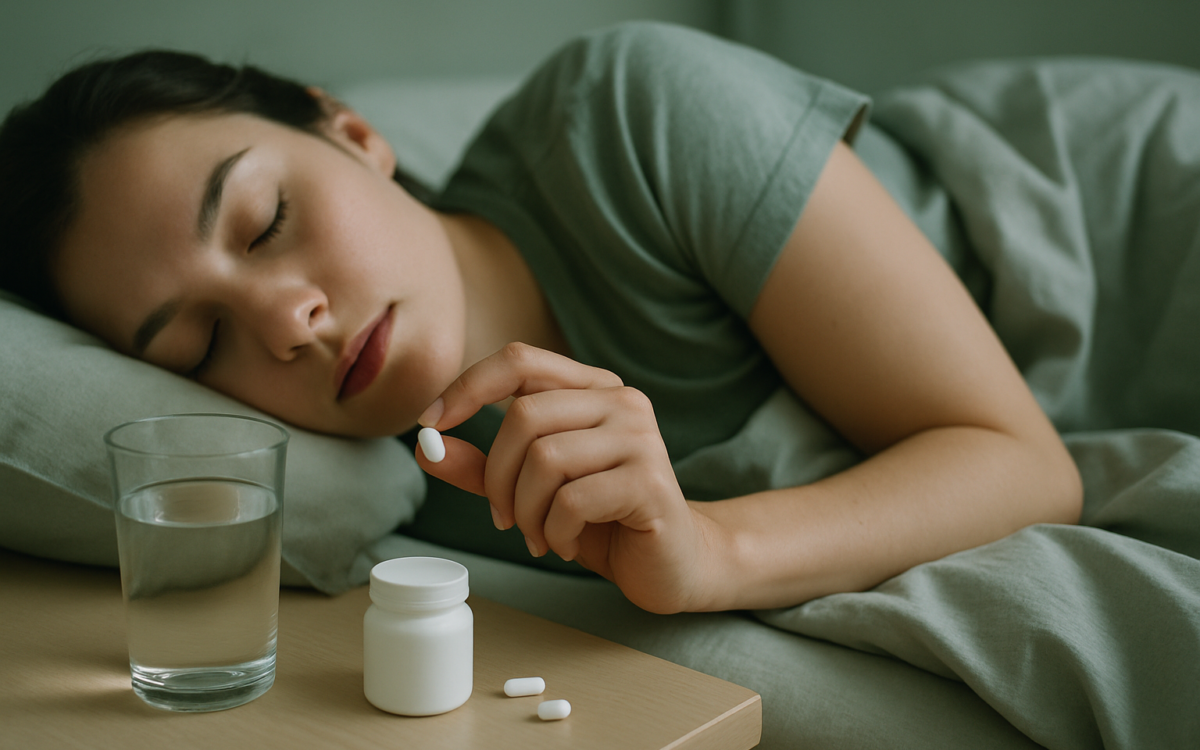
While many people look for quick solutions to help them sleep better, it’s essential to be cautious with sleep aids. Over-the-counter and prescription sleep medications can have side effects and don’t address the underlying issue of sleep difficulty. Natural remedies, like herbal teas (chamomile or valerian root) or supplements like melatonin, may support relaxation and help you fall asleep faster. However, consult your doctor before trying any new sleep aids, especially if you’re on medication or have health issues.
When to See a Doctor
If you’ve tried various methods for falling asleep faster without success and your sleep problems persist, it may be time to consult a healthcare professional. Look for symptoms such as:
- Chronic insomnia that disrupts your daily life.
- Excessive daytime sleepiness or difficulty concentrating.
- Snoring or gasping for air at night, which could be signs of sleep apnea.
Seeking guidance from a sleep specialist can provide insights into your specific sleep challenges and help tailor solutions that work for you.
In conclusion, getting to sleep faster doesn’t require drastic changes; instead, it often boils down to establishing good sleep habits and creating a relaxing environment. Whether it’s through crafting a soothing bedtime routine or better managing your diet and screen time, the right approach can lead to an improved sleep experience. Remember, everyone is different, so be patient as you explore what works best for you.
