
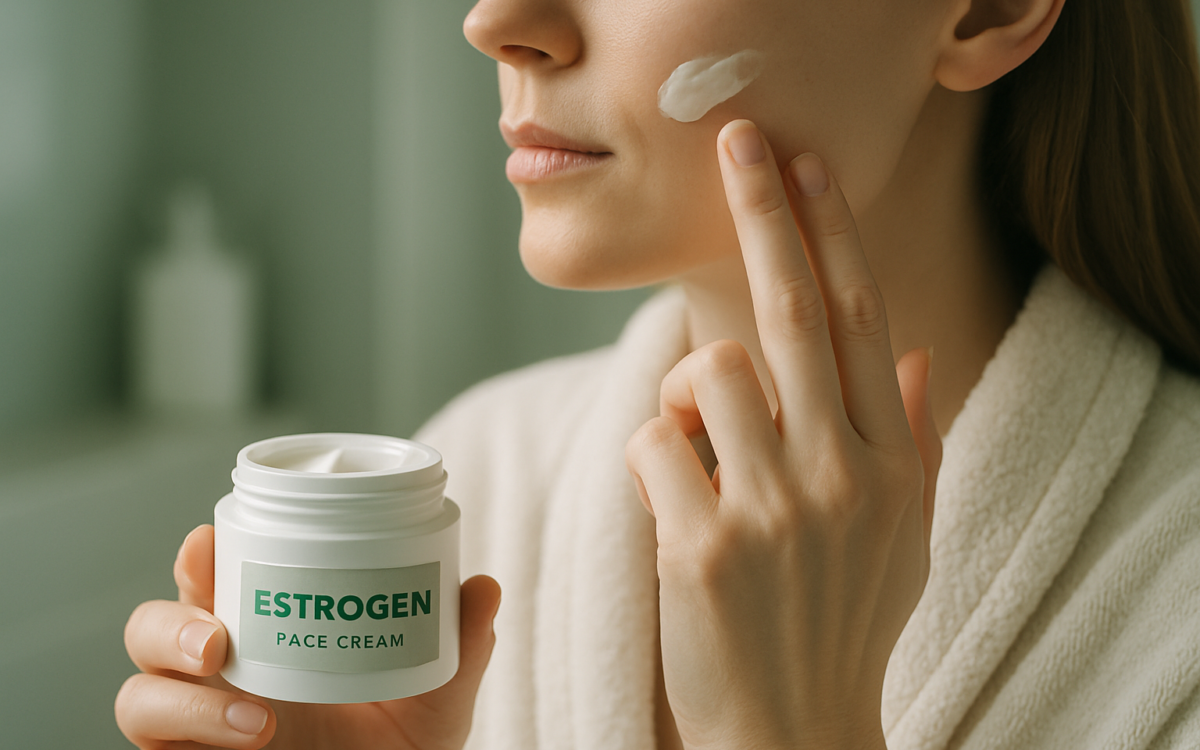
As we age, our bodies undergo many changes. One of the most significant changes for women is a decrease in estrogen levels, especially during menopause. This hormonal shift can lead to various skin issues, like dryness, loss of elasticity, and increased signs of aging. To combat these changes, many are turning to estrogen face creams. But what are these creams, and how can they help?
What is Estrogen Face Cream?
Estrogen face cream is a topical product that contains estrogen, a hormone that plays a vital role in women’s health. These creams are designed to nourish the skin and address aging signs associated with reduced hormone levels.
Benefits of Estrogen Face Cream
Using estrogen face cream can offer several potential benefits:
- Improved Skin Hydration: Estrogen helps retain moisture in the skin. By using a cream that contains estrogen, you may experience enhanced hydration, reducing dryness and providing a more youthful appearance.
- Increased Skin Elasticity: Studies suggest that estrogen can improve skin elasticity. This means cream that includes estrogen could help the skin feel firmer and more resilient.
- Reduction in Fine Lines and Wrinkles: Some users report a decrease in the visibility of fine lines and wrinkles. With increased hydration and elasticity, skin may appear smoother.
Who Should Use Estrogen Face Cream?
Estrogen face creams are typically recommended for women experiencing menopause or other conditions that lower estrogen levels. Some individuals may notice skin changes due to aging alone. However, it’s essential to consult with a healthcare professional to determine if estrogen face cream is suitable for your skin type and needs.
Potential Side Effects
Like any skincare product, estrogen face creams can have side effects. While many people tolerate them well, some may experience:
- Skin Irritation: Redness or itching can occur, particularly in sensitive skin.
- Hormonal Imbalances: Overuse can potentially lead to systemic absorption of estrogen, causing unwanted hormonal side effects. This is why moderation is critical.
If you experience severe reactions, it’s crucial to discontinue use and consult a healthcare provider.
Applying Estrogen Face Cream: Tips for Best Results
To get the most out of estrogen face cream, consider these application tips:
- Cleanse Thoroughly: Always start with clean skin to allow for optimal absorption.
- Apply Sparingly: A small amount can go a long way. Use a pea-sized amount for your entire face.
- Use Consistently: For the best results, use the cream as part of your daily skincare routine.
- Follow with Sunscreen: Hormonal creams can increase skin’s sensitivity to the sun, so be sure to apply sunscreen during the day.
Research on Estrogen Face Cream
Research in dermatology has explored the role of estrogen in skin health. A study published in the Journal of Clinical Endocrinology & Metabolism has shown that estrogen can affect skin thickness and hydration. Additionally, a review article found that hormone therapy, including topical estrogen, can mitigate some signs of skin aging and improve overall skin quality. More studies are needed to fully understand the long-term effects of these creams, but early findings are promising.
When to See a Doctor
If you’re considering using estrogen face cream, consult with a doctor first, especially if you have a history of hormone-sensitive conditions or other medical issues. It’s essential to have a tailored skincare plan that supports your overall health and wellness.
Conclusion
Estrogen face cream might be a beneficial addition to your skincare routine, especially if you’re navigating the changes that come with aging and hormonal shifts. With the potential for improved hydration, elasticity, and reduction of fine lines, this cream presents a compelling option. However, it’s vital to approach its use thoughtfully and under professional guidance to ensure the best outcomes for your skin health.
