
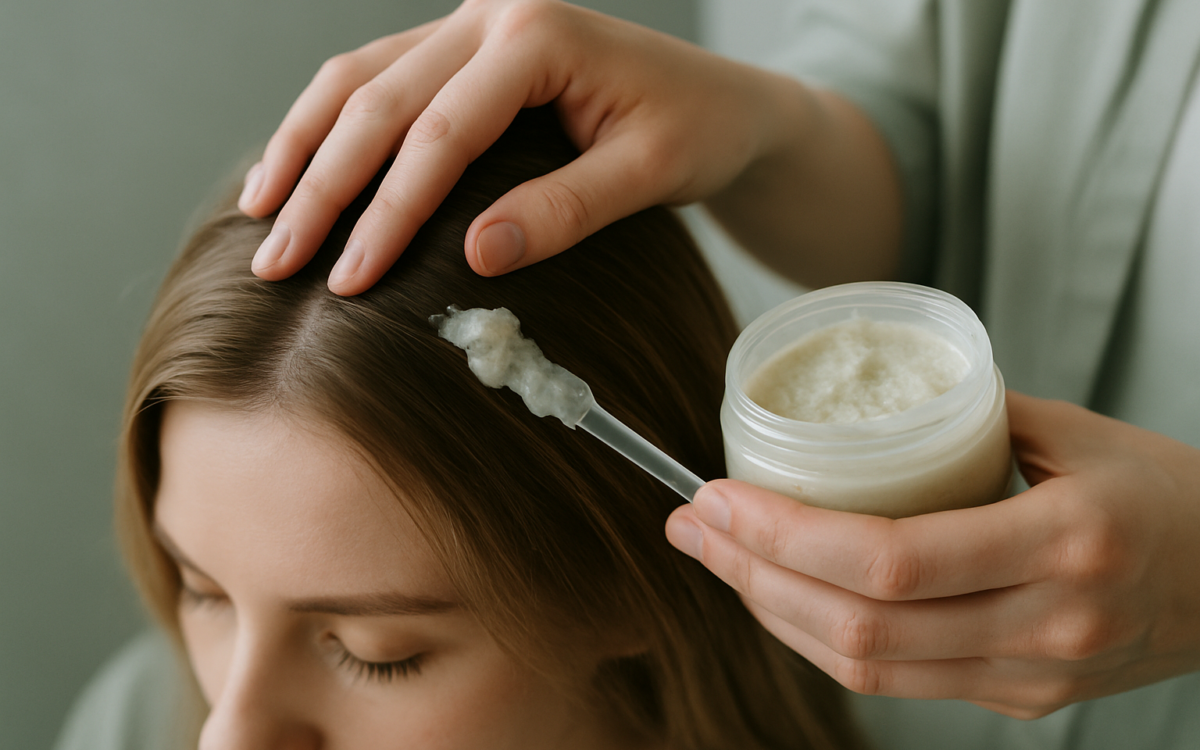
When it comes to hair care, we often focus on shampoos, conditioners, and styling products while neglecting an essential player: the scalp. Just like our skin, the scalp needs care too! This forgotten area can benefit from scalp exfoliation, a process that removes dead skin cells, product buildup, and excess oil. In this article, we’ll explore the how and why of scalp exfoliation, helping you achieve a healthier scalp and, in turn, healthier hair.
What is Scalp Exfoliation?
Scalp exfoliation involves using specific techniques or products to slough away dead skin cells and impurities on the scalp. It’s akin to facial exfoliation but tailored for the unique needs of your scalp. This process can be performed using physical scrubs, chemical exfoliants, or natural treatments. The goal is to refresh and invigorate your scalp, enhancing its overall health.
Why Should You Exfoliate Your Scalp?
There are several compelling reasons why scalp exfoliation is beneficial:
- Promotes Healthy Hair Growth: By removing blockages at the hair follicle level, exfoliation encourages better hair growth. Unclogging the follicles allows nutrients to reach the roots more effectively.
- Reduces Dandruff: Scalp exfoliation can help control dandruff by getting rid of dry, flaky skin that contributes to dandruff and itchiness.
- Improves Product Absorption: Buildup from styling products and oils can hinder the effectiveness of therapeutic or hydrating products. An exfoliated scalp allows for better absorption of treatments.
- Enhances Scalp Circulation: The act of exfoliating stimulates blood flow to the scalp, promoting overall scalp and hair health.
How to Exfoliate Your Scalp
Exfoliating your scalp can be straightforward. Here are a few methods you can consider:
Physical Exfoliation
This method involves using scrubs or brushes designed for the scalp. Look for products containing gentle granules that won’t irritate your skin. Alternatively, you can use a soft-bristle brush to gently massage your scalp while in the shower. It’s important to be gentle to avoid causing micro-tears in the skin.
Chemical Exfoliation
Chemical exfoliants use active ingredients like salicylic acid or glycolic acid to dissolve dead skin cells. These are usually found in specialized scalp treatments and can be particularly effective for oily scalps or those experiencing dandruff.
Natural Remedies
If you prefer a DIY approach, consider using natural ingredients like sugar, sea salt, or oatmeal mixed with a carrier oil (like coconut or olive oil). Gently massaging this mixture into your scalp can provide an effective exfoliation while also moisturizing your scalp.
How Often Should You Exfoliate?
The frequency of exfoliation can depend on several factors, including your scalp type and personal preference. Generally, most people benefit from exfoliating once a month. However, if you have specific concerns like dandruff or a lot of product buildup, you might choose to exfoliate more frequently, about once every two weeks. Always pay attention to how your scalp feels; if you notice irritation or redness, reduce the frequency.
Considerations for Different Scalp Types
Not every method works for everyone, so it’s important to tailor your approach based on your scalp’s needs:
- Oily Scalp: May benefit from chemical exfoliants with salicylic acid to control excess oil.
- Dry Scalps: Should focus on gentle physical scrubs that hydrate while exfoliating.
- Sensitive Scalps: Opt for milder options, and consider testing any product on a small area first.
For those who travel or seek specialized treatments, international patient services can help connect you with expert dermatologists who can recommend personalized scalp care solutions tailored to your needs.
Maintaining Scalp Health
Exfoliation is just one component of scalp care. To maintain a healthy scalp, consider the following tips:
- Use a gentle shampoo to avoid stripping your scalp of its natural oils.
- Stay hydrated to nourish your skin from the inside out.
- Avoid tight hairstyles that can cause tension on the scalp.
- Protect your scalp from sun exposure, which can lead to dryness and irritation.
When to See a Doctor
If you experience persistent itching, redness, or irritation after exfoliating, or if you notice unusual hair loss, it’s essential to consult a healthcare professional. Additionally, conditions like psoriasis or seborrheic dermatitis require specialized treatment.
In conclusion, scalp exfoliation is a vital yet often overlooked step in achieving good hair health. By incorporating this practice into your hair care routine, you can enjoy a cleaner scalp, which leads to vibrant hair and overall wellness.
