
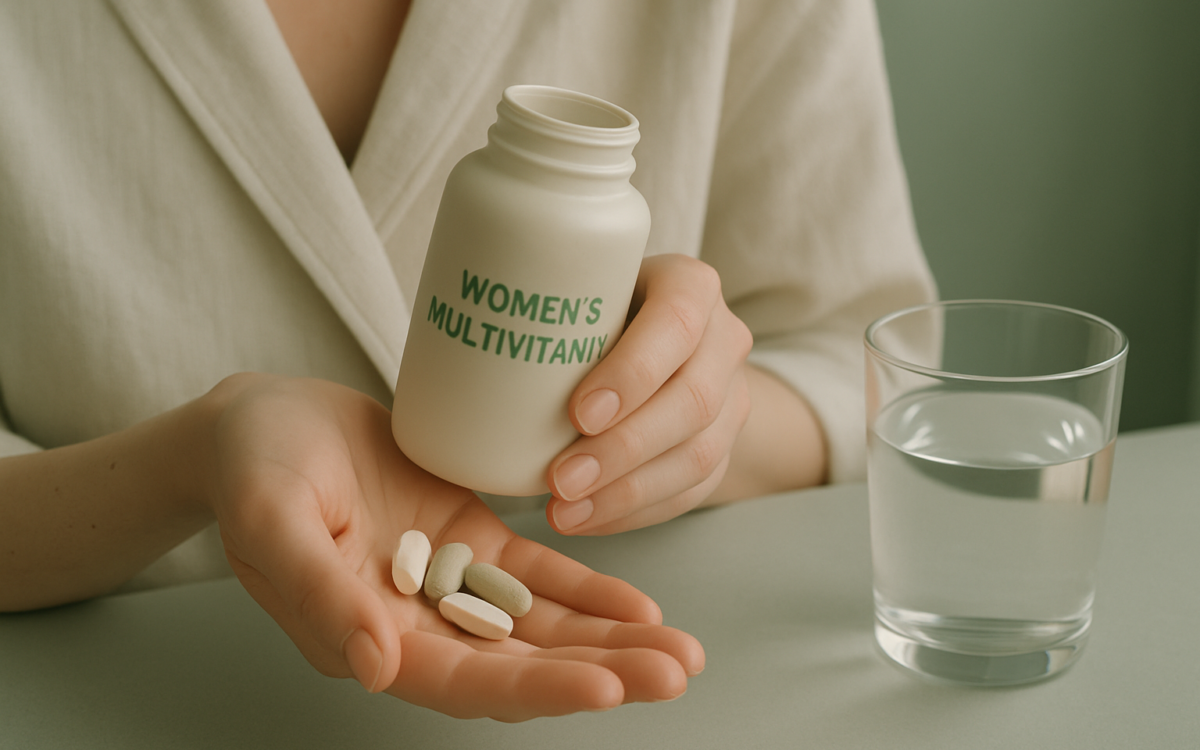
In our busy lives, balancing work, family, and personal time can take a toll on our health. For many women, ensuring we meet our daily nutritional needs is often more challenging than it seems. This is where women’s multivitamins can play a crucial role. Designed with the unique health needs of women in mind, these supplements may help fill gaps in nutrition and support overall well-being.
Understanding the Role of Multivitamins
Multivitamins are supplements that combine different vitamins and minerals, and sometimes other ingredients, into one convenient form. They are formulated to help support health by providing essential nutrients that might be lacking in a person’s diet.
For women, specific nutrients are particularly important, including iron, calcium, and folic acid. Each of these plays a vital role in various bodily functions:
- Iron: Necessary for the production of red blood cells and can help prevent anemia, especially during menstruation.
- Calcium: Important for bone health, particularly as women age and become more susceptible to osteoporosis.
- Folic Acid: Essential for women of childbearing age to support fetal development and prevent neural tube defects.
Benefits of Women’s Multivitamins
There are several potential benefits to regularly using a women’s multivitamin. These include:
- Boosting Nutritional Intake: Multivitamins can help cover dietary shortcomings, ensuring that women receive adequate nutrition.
- Supporting Physical Health: By supplying essential vitamins and minerals, they contribute to the healthy functioning of the body.
- Promoting Reproductive Health: Key vitamins and minerals are crucial during pregnancy and menstruation.
- Enhancing Energy Levels: Vitamins such as B12 and iron can help fight fatigue, providing an energy boost that many women need.
Choosing the Right Women’s Multivitamin
With a myriad of options available in stores and online, selecting the right multivitamin can be daunting. Here are some tips to consider:
- Look for Quality: Choose brands that undergo third-party testing to ensure quality and accuracy in ingredient labeling.
- Check the Nutrient Profile: Ensure it contains vital nutrients, particularly folic acid, iron, and calcium, based on your specific health needs.
- Avoid Excess: Be cautious of multivitamins with “mega” doses—more isn’t always better, and excessive intake can be harmful.
- Consult a Healthcare Provider: Before starting any new supplement, it’s wise to discuss it with your doctor, particularly if you’re pregnant, nursing, or have existing health conditions.
Diet vs. Supplements: Which is Better?
While multivitamins can be helpful, it’s essential to remember that they are not a substitute for a healthy diet. Nutrient-dense foods like fruits, vegetables, whole grains, lean proteins, and healthy fats should form the backbone of your nutrition.
Many health experts advocate for getting nutrients from food first, as dietary sources typically offer a more complex array of vitamins and minerals that work synergistically in the body. If whole foods aren’t meeting your nutritional needs, then a multivitamin can be a useful addition to your regimen.
Key Nutrients for Women at Different Life Stages
Women’s nutritional needs evolve through different stages of life, and a good multivitamin can adapt to these changes:
Adolescence
Teen girls may need higher amounts of iron due to menstruation and protein for growth. A multivitamin can support these needs, particularly if dietary choices are not optimal.
Reproductive Years
During childbearing years, a multivitamin with folic acid is particularly important to reduce the risk of birth defects and support healthy pregnancies.
Menopause
As women enter menopause, the need for calcium and vitamin D increases to support bone health and mitigate osteoporosis risk. A multivitamin tailored for this life stage can provide these crucial nutrients.
When to See a Doctor
If you’re considering taking a multivitamin, it’s advisable to consult with a healthcare professional, especially if:
- You have existing health conditions.
- You are pregnant or planning to become pregnant.
- You are experiencing symptoms of nutrient deficiency, such as fatigue, weakness, or bone pain.
Conclusion
Women’s multivitamins can be a valuable tool in maintaining your health and well-being throughout different life stages. While they are not a replacement for a balanced diet, they can help bridge gaps in nutrition. Always consult your healthcare provider to find the best approach for your health needs, and embrace a lifestyle rich in varied, nutritious foods.
