
Chemical peels are a popular cosmetic treatment designed to improve the appearance of the skin. Whether it’s addressing stubborn acne scars, reducing wrinkles, or enhancing overall skin texture, many people turn to this method for a rejuvenating boost. If you’re considering a chemical peel, knowing what to do before and after the treatment is crucial for achieving the best results. Here’s a comprehensive guide on the journey through chemical peels, from preparation to recovery.
What is a chemical peel?
A chemical peel involves applying a solution to the skin, prompting the outer layers to peel away. This process can help to unveil fresh, smoother skin beneath. There are three primary types of chemical peels:
- Superficial peels: These target the outermost layer of skin and are often recommended for mild skin imperfections.
- Medium peels: These penetrate deeper and can reduce wrinkles and more significant discoloration.
- Deep peels: These reach the lower layers of skin, ideal for more severe conditions like deep facial lines.
Each type has different strengths and expected results, making it essential to consult with a licensed dermatologist to determine the best option for your needs.
Preparing for a chemical peel
The right preparation can significantly influence your experience with a chemical peel. Here are some steps to consider before your appointment:
- Consult your dermatologist: Discuss your skin type, medical history, and any concerns you may have.
- Avoid certain products: Steer clear of retinoids, exfoliants, and products containing glycolic acid at least a week prior to your peel.
- Hydrate your skin: Keeping your skin well-hydrated helps improve skin barrier function, which can make recovery smoother.
- Consider medications: Your dermatologist might suggest antiviral medications if you have a history of cold sores before a peel.
By following these recommendations, you increase your chances of a successful procedure and smooth recovery.
Chemical peel procedure: What to expect
During a chemical peel, your skin will be prepped by cleansing and applying the chemical solution. Here’s what typically happens:
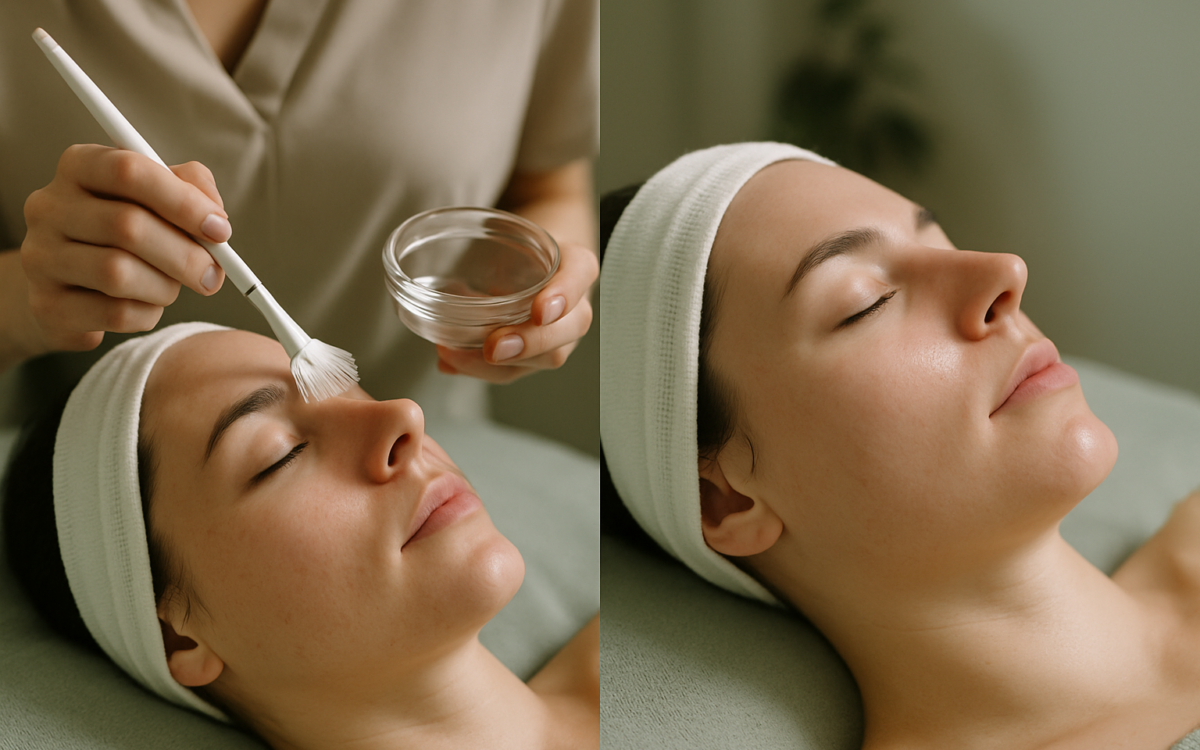
- Application: The solution is applied with a brush or cotton pad, depending on the peel’s type. You may feel a tingling sensation.
- Duration: The application can take anywhere from 15 to 60 minutes, depending on the depth.
- Neutralization: After a specified time, the solution is neutralized, often by rinsing it off with water.
- Moisturizer and sunscreen: Your dermatologist will apply suitable products for recovery.
After the procedure, your skin may appear red or irritated, similar to a minor sunburn, but this typically subsides as your skin starts to peel and heal.
What to expect after a chemical peel
Understanding the post-treatment process is vital for optimal recovery. Here’s what you might experience:
- Initial redness: Skin may be pink or red like a sunburn, which is normal.
- Peeling: This usually starts a few days after the treatment. It’s essential to avoid picking or pulling at the skin.
- Moisturizing: Keep your skin moisturized to help it heal and reduce discomfort.
- Sunscreen: Protect your skin from sun exposure, as it’s now more sensitive.
Most people can return to their regular activities relatively quickly, though you should avoid harsh products and sun exposure for a while. If you’re seeking treatment abroad, services like international patient services can provide valuable assistance in finding qualified dermatologists and managing the logistics of treatment.
Benefits and results of chemical peels
Chemical peels can yield a variety of benefits, particularly if tailored to your specific skin concerns:
- Improved skin texture: Many users enjoy smoother, softer skin after treatment.
- Reduced pigmentation: Chemical peels can lessen the appearance of sun spots and discoloration.
- Fewer wrinkles: They can significantly minimize fine lines and provide a more youthful appearance.
- Boosted confidence: Achieving clearer skin can enhance self-esteem and relaxation.
Results can vary based on peel type, skin conditions, and individual healing processes, so patience during recovery is key.
When to see a doctor
If you experience severe redness, blistering, or any signs of infection after your peel, it’s crucial to contact a doctor. Always consult a healthcare professional if you’re unsure during your recovery process or if symptoms worsen.
It’s essential to listen to your body and seek assistance if needed. With proper care, many find that the benefits of chemical peels often exceed any temporary discomfort.
Conclusion
Chemical peels can be a powerful tool in your skin-care journey. By understanding the process before and after treatment, you will be better prepared to enjoy the benefits of smoother, clearer skin. Remember, consulting with a licensed professional is vital to navigate this effective treatment safely and securely.
