
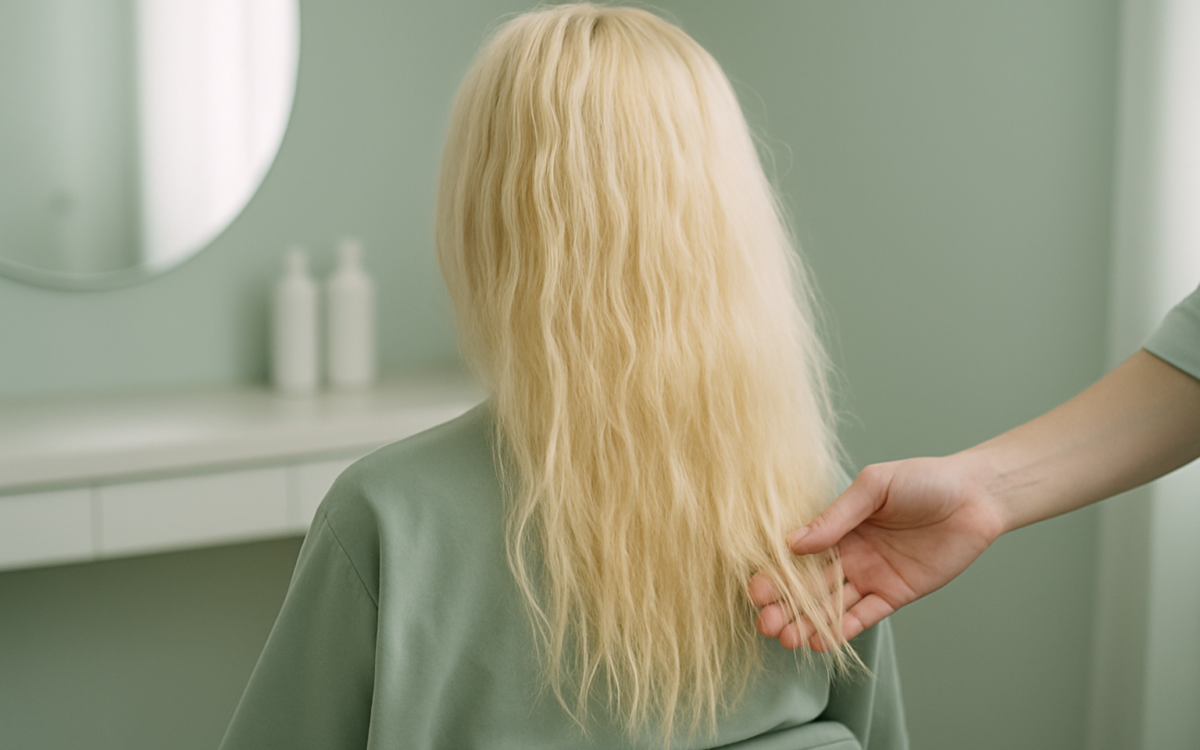
Bleached hair can turn heads and become a stunning feature, but it also requires special attention and care. When you lighten your hair with bleach, you’re stripping away the natural pigment, which can lead to dryness and damage. Understanding how to maintain your bleached locks is essential for keeping them looking vibrant and healthy.
How Does Bleaching Affect Hair?
Bleaching hair involves using chemicals, typically hydrogen peroxide and ammonia, to remove the natural color. While this process can create beautiful results, it can also weaken the hair’s structure. The cuticle, which serves as a protective layer, can become damaged and more prone to breakage.
According to the National Institutes of Health, bleached hair can lose moisture more quickly, leading to frizz and split ends. Over time, continued bleaching can further exacerbate these issues, making it crucial to follow a proper hair care regimen.
Essential Care Tips for Bleached Hair
Taking care of bleached hair requires a multi-faceted approach. Here are some practical tips to keep your hair looking its best:
- Use a gentle shampoo: Look for sulfate-free shampoos specifically designed for color-treated hair. Sulfates can strip hair of its natural oils, leading to increased dryness.
- Condition regularly: Deep conditioning treatments should become your best friend. Aim to condition your hair at least once a week to replenish lost moisture.
- Avoid heat styling: Reduced use of heat styling tools like curling irons and blow dryers can help preserve the integrity of your hair. If you must use them, always apply a heat protectant spray.
- Trim regularly: Getting regular trims every 6-8 weeks can help eliminate split ends and keep your hair healthy.
- Stay hydrated: Drinking plenty of water and incorporating hydrating foods into your diet can improve overall hair health.
Choosing the Right Products
When it comes to products for bleached hair, not all are created equal. Look for items labeled as designed for color-treated or damaged hair. Ingredients like argan oil, keratin, and shea butter are beneficial as they offer hydration and repair while reducing breakage.
Some recommended products include:
– Leave-in conditioners: These can provide extra moisture throughout the day.
– Hair masks: Use once a week for deep nourishment.
– Color-safe serums: Help lock in color and add shine.
Common Myths About Bleached Hair
Myths surrounding bleached hair can lead to misunderstanding about care and consequences. Here are a few common myths debunked:
- Myth: Bleached hair can’t be repaired. While heavily damaged hair can be challenging, consistent care and treatments can significantly improve its condition.
- Myth: You can’t dye bleached hair a darker color. This is false! If you use the right products and techniques, you can successfully color over bleached hair.
- Myth: All hair products are the same. Different hair types require different formulations. Always select products that cater to your specific hair needs.
How Often Can You Bleach Your Hair?
The frequency of bleaching your hair depends on your hair type and health. Generally, it’s advised to wait at least 6-8 weeks between bleach sessions. This allows your hair to recover and minimizes damage.
According to the Mayo Clinic, you should always monitor the condition of your hair. If you notice excessive dryness or breakage, it might be time to take a break from bleaching.
Keeping Your Hair Color Vibrant
Once you’ve achieved your desired shade, maintaining that color is key. Here are some tips to keep your bleached hair looking vibrant:
- Limit sun exposure: UV rays can fade your color more quickly. Wear a hat or use hair products with UV protection when outdoors.
- Wash less frequently: Overwashing can strip color faster. Aim to wash your hair a few times a week instead of daily.
- Use cold water: Rinsing with cold water can help seal the hair cuticle, retaining color and keeping your hair shiny.
When to See a Doctor
If you experience excessive hair loss, scalp irritation, or noticeable changes in your scalp health due to bleaching, it’s essential to consult a healthcare professional. They can recommend appropriate treatments and care routines tailored to your needs.
Also, if you’re experiencing ongoing emotional distress about your appearance or how your hair looks after bleaching, consider speaking with a counselor or therapist.
Conclusion
Caring for bleached hair may seem daunting, but with the right knowledge and techniques, you can maintain its beauty and health. By following a consistent care routine, debunking myths, and using the right products, your bleached hair can be a source of pride rather than concern. Remember, your hair is unique, and what works for someone else may not work for you. Embrace your journey in hair care, and enjoy your beautiful bleached locks!
