
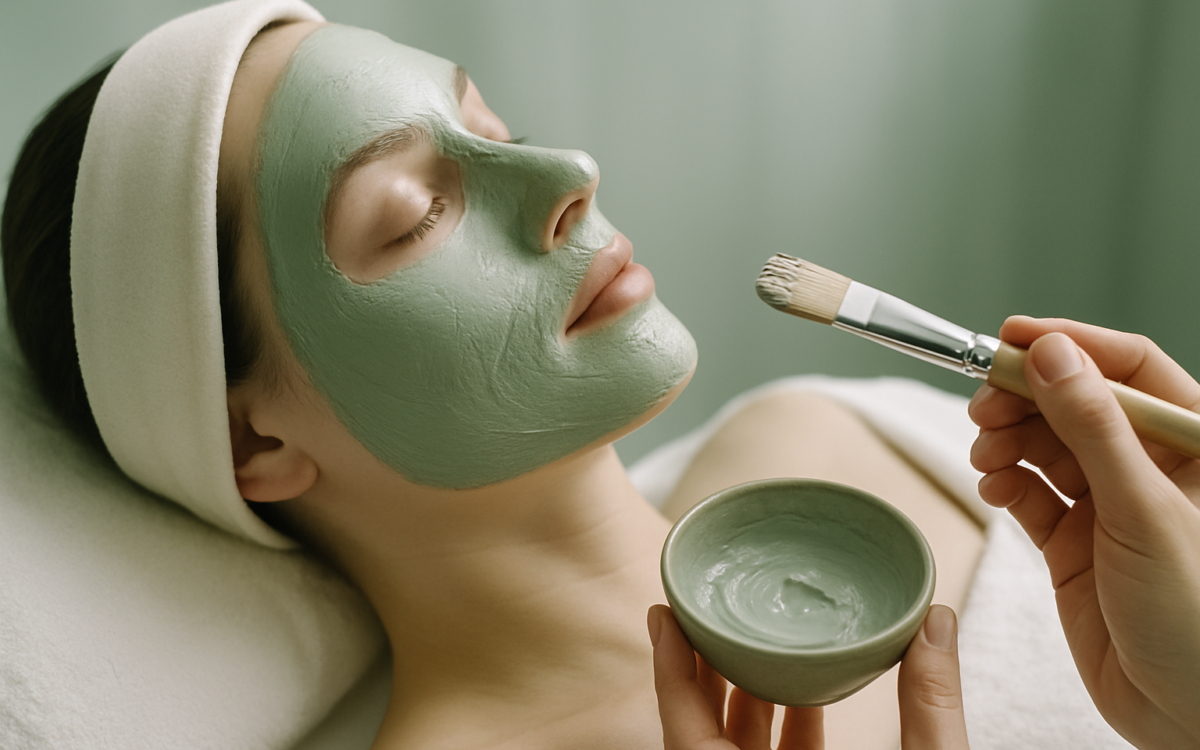
Clay masks have been used for centuries in various cultures for their skin-enhancing properties. These natural wonders not only help purify the skin but also offer hydration and nourishment. With a range of clay types available, each has unique properties that can target different skin concerns. Let’s delve deeper into the world of clay masks, exploring their benefits, types, and some helpful tips for using them effectively.
What Are Clay Masks?
Clay masks are skincare treatments made from natural clay minerals mixed with water and other ingredients. They can be applied to the face or body to help cleanse and nourish the skin. The composition of clay itself varies, giving rise to different types of clay masks suited for specific skin types.
The Benefits of Clay Masks
Clay masks offer a variety of benefits that can enhance skin health. Here are some of the primary reasons why many people incorporate clay masks into their skincare routine:
- Detoxification: Clay is known for its ability to draw out impurities and toxins from the skin. As the clay dries, it helps absorb excess oil, dirt, and bacteria, leaving your skin feeling refreshed.
- Exfoliation: Many clay masks provide gentle exfoliation, helping to remove dead skin cells. This can improve skin texture and promote a brighter complexion.
- Spot Treatment: Some clays, such as bentonite, contain properties that may help soothe irritation and reduce breakouts on acne-prone skin.
- Hydration: Not all clay masks are drying. Some, like kaolin, can help retain moisture in the skin, making them suitable for dry or sensitive skin types.
- Soothing Effects: Clay masks can calm inflammation and redness, providing a soothing effect for those with sensitive or reactive skin.
Types of Clay Used in Masks
There are several types of clay commonly used in face masks, each with its unique properties:
Bentonite Clay
Bentonite clay is excellent for oily or acne-prone skin. It expands when wet, absorbing excess oil and impurities effectively. It’s often used as a spot treatment for breakouts.
Kaolin Clay
Kaolin, or china clay, is gentler and suitable for sensitive and dry skin types. It helps to cleanse without stripping moisture, making it ideal for those who experience irritation from harsher ingredients.
French Green Clay
This clay is rich in minerals and is known for its detoxifying properties. It can help tighten pores and improve the overall appearance of the skin.
Rhassoul Clay
Rhassoul clay, originating from Morocco, is packed with minerals like silica and magnesium. It helps to absorb excess oil while still providing moisture, making it a wonderful choice for all skin types.
How to Use a Clay Mask
Using a clay mask can be simple and rewarding. Follow these steps for the best results:
- Preparation: Start with a clean face. Remove any makeup and cleanse your skin to allow the mask to penetrate effectively.
- Application: Apply the clay mask evenly using a brush or your fingers, avoiding the delicate eye area. Aim for a thin, even layer.
- Timing: Allow the mask to sit on your skin for 10-15 minutes, or until it is fully dry. Avoid leaving it on too long, as this may cause dryness or irritation.
- Removal: Rinse off the mask with warm water. You can use a soft cloth to help remove any residue. Pat your skin dry with a towel.
- Follow Up: After removing the mask, apply a moisturizer to keep your skin hydrated.
Incorporating Clay Masks into Your Routine
To reap the full benefits of clay masks, consider these tips:
- Frequency: Depending on your skin type, 1-2 times a week is typically sufficient. Oily skin may benefit from more frequent use, while dry skin should use masks less often.
- Patch Test: Always perform a patch test on a small area of skin before trying a new type of clay mask to ensure you don’t have an allergic reaction.
- Complementary Products: Pairing a clay mask with a serum or moisturizer can enhance benefits. Look for non-comedogenic products that won’t clog pores.
When to See a Doctor
If you have persistent skin problems or if a clay mask causes redness, irritation, or an allergic reaction, consult a dermatologist. Conditions like eczema or severe acne may require professional treatment. For more information, visit [Mayo Clinic](https://www.mayoclinic.org/) or [CDC](https://www.cdc.gov/).
Conclusion
Clay masks can be a valuable addition to your skincare routine, offering multiple benefits for various skin types. With the right application and frequency, they can help cleanse, detoxify, and nourish your skin naturally. As with any skincare product, it’s essential to listen to your skin and consult a healthcare professional when necessary. Harness the power of clay for a healthier, glowing complexion!
