
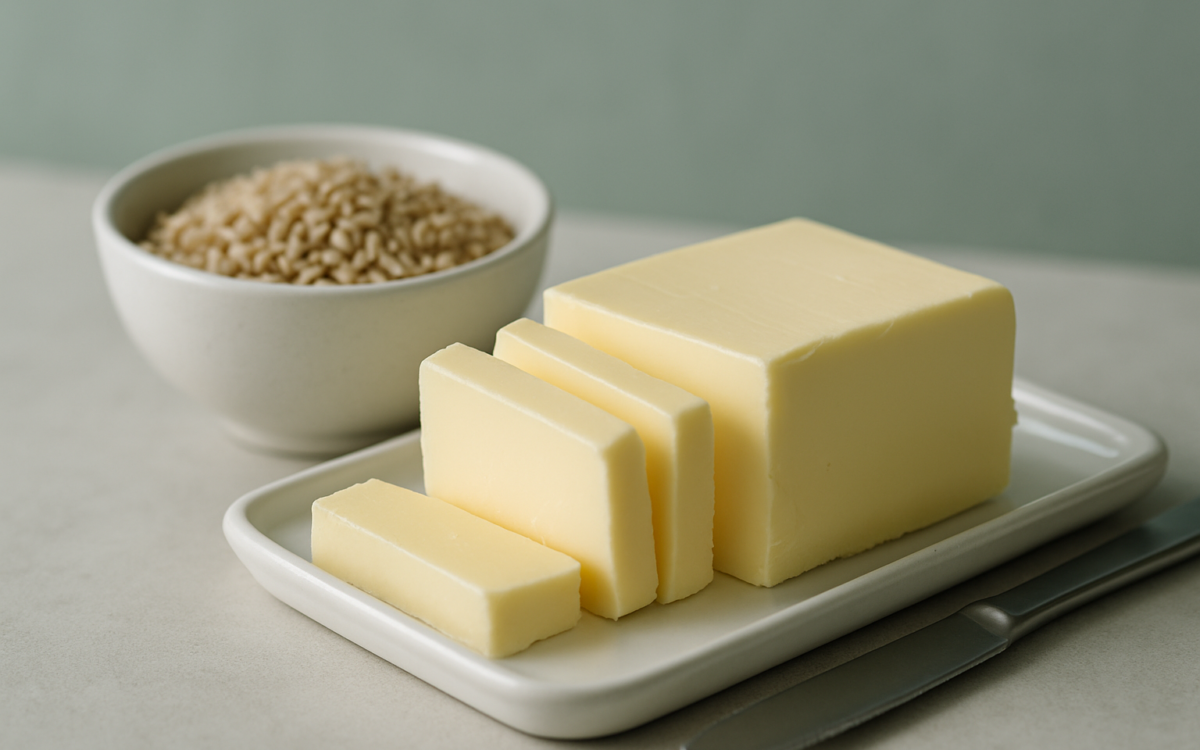
For many, butter is a beloved staple in the kitchen, adding rich flavor to everything from pastries to savory dishes. With the rise in awareness about gluten sensitivities and celiac disease, questions about gluten-containing foods have become increasingly common. One pressing question is: is butter gluten free? Let’s dive into the details.
Understanding Gluten and Its Sources
Gluten is a protein found in certain grains, including wheat, barley, and rye. It plays a significant role in giving bread its chewy texture and is commonly found in various processed foods. For those with celiac disease or gluten sensitivity, consuming gluten can lead to serious health issues, making it crucial to identify foods that are safe to eat.
What Is Butter Made Of?
Butter is a dairy product made by churning cream. The primary ingredients are cream (or milk) and sometimes salt. Given that its basic components are not derived from gluten-containing grains, butter is inherently gluten free. This makes it a safe choice for individuals following a gluten-free diet.
Types of Butter and Their Gluten Content
When examining whether butter is gluten free, it’s important to consider the different types available:
- Regular Butter: Usually made from cream and salt, this type is gluten free.
- Unsalted Butter: Pure butter without salt, also gluten free.
- European-Style Butter: Higher fat content but still gluten free, assuming no other additives are included.
- Flavored Butters: Sometimes, flavored butters may contain additional ingredients. Check labels for any gluten-containing additives.
Always read ingredient labels to ensure that there are no hidden gluten-containing additives, particularly in flavored or processed butters.
Cross-Contamination Concerns
Although butter itself is gluten-free, cross-contamination can occur in various ways. For example, if butter is spread using a knife that was previously used for gluten-containing products, traces of gluten could be introduced. To minimize the risk of cross-contamination:
- Use separate utensils for gluten-free and gluten-containing products.
- Consider storing butter in a separate container to avoid contamination.
Being diligent can help those with gluten sensitivities enjoy butter safely.
Butter Alternatives: Are They Gluten Free?
If you’re looking for alternatives to butter or if you are lactose intolerant, there are several options available:
- Plant-Based Margarine: Most are gluten free, but read labels to confirm.
- Coconut Oil: Naturally gluten free and a popular substitute for butter in baking.
- Olive Oil: A heart-healthy option, also gluten free.
Most plant-based butters are manufactured without gluten, but like conventional butter, checking labels is essential.
Consulting with Healthcare Professionals
If you have specific dietary concerns, especially concerning gluten, speaking with a registered dietitian or healthcare provider is beneficial. They can provide personalized advice based on your health needs.
When to See a Doctor
If you experience symptoms such as bloating, diarrhea, or stomach cramps after consuming what you believe to be gluten-free foods, consult your healthcare provider. These symptoms can sometimes be indicative of gluten sensitivity or celiac disease.
Conclusion
In summary, butter is typically gluten free, making it a safe option for those with gluten sensitivities or celiac disease. However, always be vigilant about labeling and cross-contamination. Enjoy this rich, flavorful staple without worry, and when in doubt, consult a medical professional for guidance tailored to your health.
