
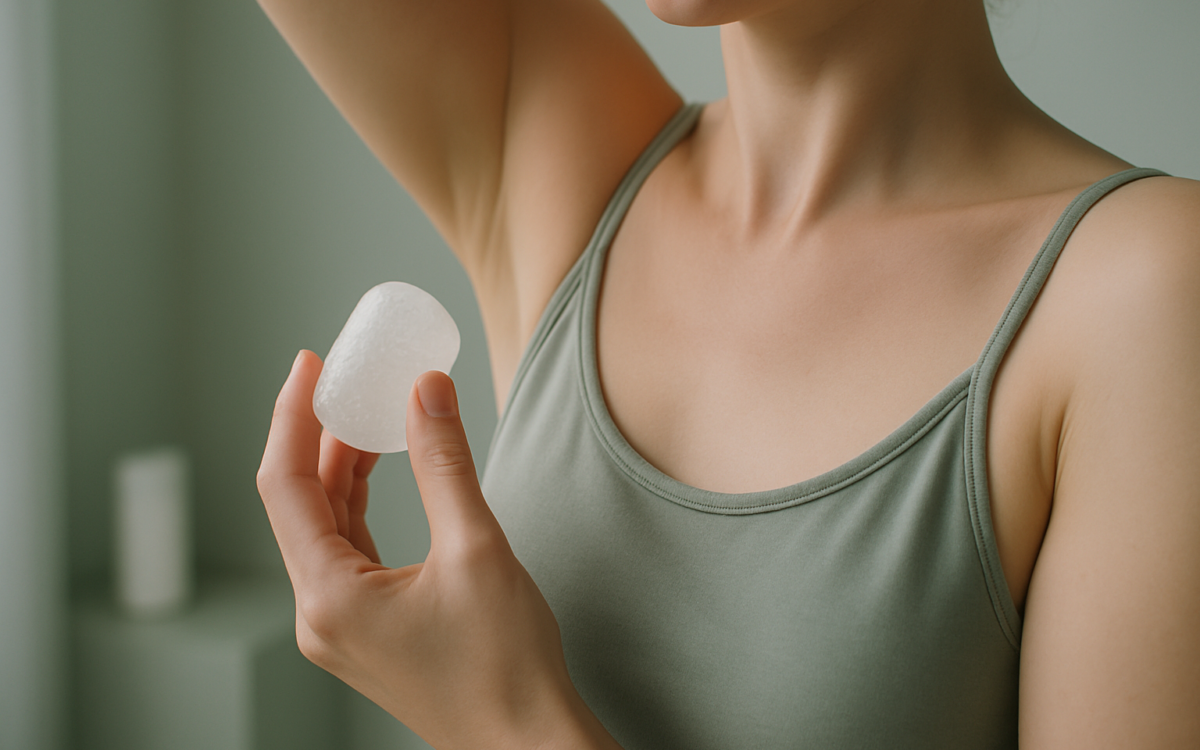
In a world full of personal care products, finding the right deodorant can feel overwhelming. With increasing concern over the ingredients in many conventional deodorants and antiperspirants, crystal deodorant has gained popularity as a natural alternative. Made primarily from mineral salts, crystal deodorant promises to provide effective odor control without the harsh chemicals commonly found in commercial products. But how does it work, and is it the right choice for you? Let’s break it down.
What is crystal deodorant?
Crystal deodorant originates from a natural mineral known as potassium alum, a compound often found in volcanic rock. When applied to the skin, crystal deodorant creates a protective barrier that inhibits the growth of odor-causing bacteria. Unlike traditional deodorants, which often contain aluminum compounds to block sweat glands, crystal deodorant allows your body to sweat while controlling odor.
These deodorants are typically available in two main forms: solid sticks and spray. They can be found in most health food stores or online, and many are marketed as aluminum-free and paraben-free. This is appealing to those looking for more natural personal care options.
Benefits of using crystal deodorant
1. Natural ingredients: Crystal deodorants are usually made from simple mineral salts, making them a good option for individuals looking for natural products. They typically lack synthetic fragrances and harmful chemicals.
2. Long-lasting protection: Many users report 24-hour odor protection from crystal deodorant. The unique properties of mineral salts help to neutralize odors effectively.
3. Skin-friendly: For those with sensitive skin, crystal deodorants often cause fewer allergic reactions and irritations compared to conventional alternatives. Their hypoallergenic properties make them suitable for most skin types.
How to use crystal deodorant
Using crystal deodorant is straightforward:
- Wet the crystal stick under water.
- Gently apply it to clean, dry skin, typically after showering.
- Allow it to dry before getting dressed. This ensures that the deodorant adheres properly to your skin.
For spray versions, hold the bottle a few inches away from your underarm and spray as needed. It’s important to note that while this product can neutralize odor, it does not prevent sweating. If you’re looking for a solution that eliminates sweat, you may need to explore other options or even consider treatment in Turkey for specific dermatological concerns.
Considerations before switching
While crystal deodorants come with many benefits, they may not work for everyone. Individuals who sweat heavily or engage in intense physical activity may find that these products do not meet their needs. It’s also essential to understand that transitioning from a conventional antiperspirant to a crystal deodorant may involve an adjustment period for your body. Some may experience increased perspiration initially as their bodies acclimate to the new product.
It’s also crucial to consider personal scent preferences. Crystal deodorants are typically unscented, which may not be suitable for users who enjoy fragrant products. If you’re looking for additional scent options, consider pairing it with a natural body spray or essential oils.
Myths and facts about crystal deodorant
There are several myths surrounding crystal deodorant that can lead to confusion:
Myth: Crystal deodorants block sweat
Fact: Crystal deodorants allow your body to sweat while neutralizing odor. If you are particularly worried about sweat, you may need a different product.
Myth: They contain aluminum
Fact: While some crystal deodorants contain mineral salts, not all aluminum is created equal. Potassium alum is not the same as the aluminum compounds found in traditional antiperspirants.
Myth: They are ineffective
Fact: Many users have had success with crystal deodorant, praising its odor-neutralizing properties.
Environmental impact of crystal deodorant
Beyond personal health, many consumers are considering the environmental impact of the products they use. Crystal deodorants typically come in minimal packaging, reducing waste compared to traditional aerosol sprays or roll-ons. Additionally, their long-lasting nature means you often buy fewer products over time, further reducing your ecological footprint.
Some brands also focus on sustainable sourcing, ensuring their crystal deodorants are mined and manufactured responsibly. When selecting a crystal deodorant, you may want to look for brands that are committed to environmentally-friendly practices.
When to see a doctor
While crystal deodorants are generally safe for most people, there are certain instances where it’s advisable to consult a healthcare professional:
- If you experience skin irritation or an allergic reaction after using crystal deodorant.
- If you are unsure about your body odor and its potential underlying causes.
- When excessive sweating (hyperhidrosis) becomes uncomfortable or distressing.
Conclusion
Crystal deodorant presents a natural alternative to conventional deodorants and antiperspirants, appealing to those seeking to minimize exposure to synthetic chemicals. Whether you’re exploring these products due to skin sensitivity, personal beliefs, or environmental concerns, understanding how they work is key. Everyone’s body chemistry is different, so you may need to try a few options before finding the right fit. With various benefits and a generally low environmental impact, crystal deodorant could be a simple yet effective addition to your personal care routine.
