
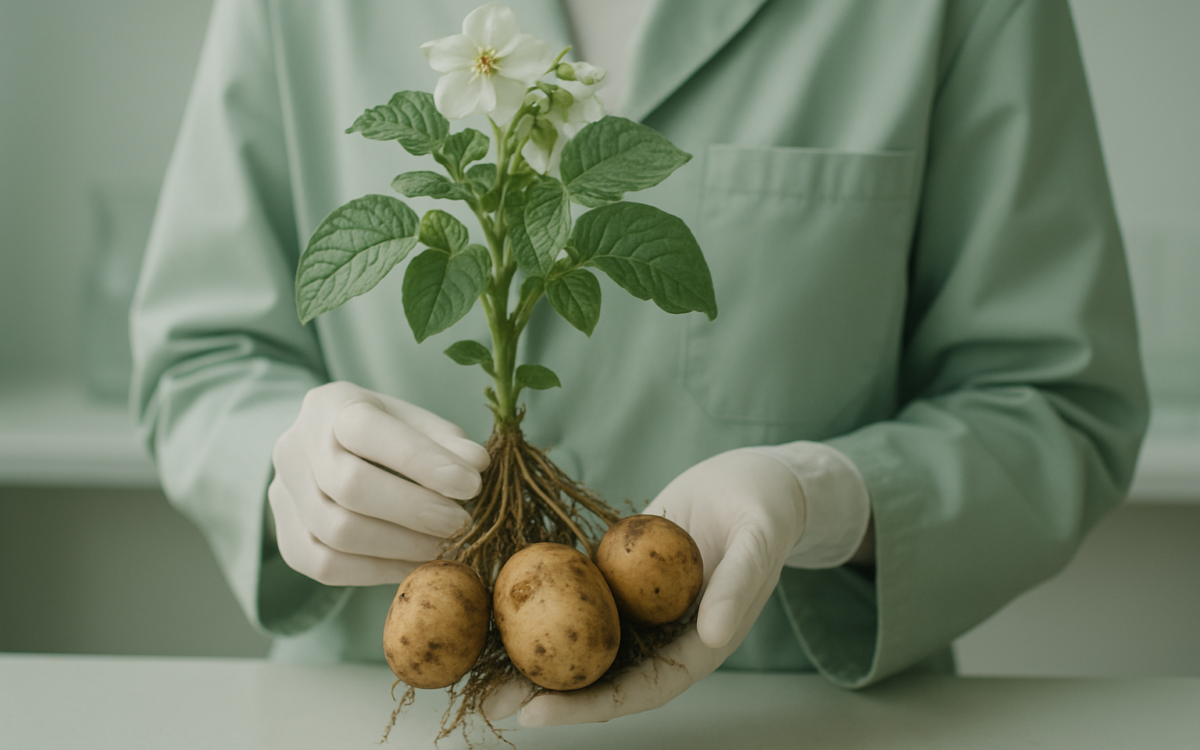
When you think of the potato plant, you might picture a delicious side dish, but there’s much more to this humble plant than meets the eye. Potatoes are not only a staple food around the world; they are also a fascinating subject of study in agriculture, nutrition, and health. In this article, we’ll explore the various aspects of the potato plant, including its nutritional benefits, how to cultivate it, and some health considerations.
Understanding the Potato Plant
The potato plant, scientifically known as Solanum tuberosum, belongs to the nightshade family. Originating from the Andean region of South America, this tuber has been a vital food source for centuries. Potatoes are now grown in over 125 countries, making them one of the most important crops globally. The plant itself is characterized by green leaves, white or purple flowers, and underground tubers that we commonly consume.
Nutritional Benefits of Potatoes
Potatoes are rich in vitamins and minerals, making them a nutritionally dense food. Here are some of their benefits:
- High in Vitamins: Potatoes are an excellent source of vitamin C, which is vital for immune support and skin health. Additionally, they contain several B vitamins, which are essential for energy metabolism.
- Rich in Minerals: These tubers provide nutrients like potassium and magnesium that are important for heart health and muscle function.
- Source of Fiber: When eaten with the skin, potatoes become a good source of dietary fiber. Fiber aids in digestion, helps maintain a healthy weight, and can lower the risk of certain diseases, including heart disease.
- Low in Calories: Potatoes are naturally low in calories, but be mindful of high-calorie toppings like butter and sour cream!
How to Cultivate the Potato Plant
If you’re interested in gardening, growing your own potato plants is a rewarding experience. Here’s a simple guide to get you started:
- Choosing the Right Variety: There are many different types of potatoes, including red, yellow, and purple varieties. Select the type that suits your taste and local climate.
- Preparing the Soil: Potatoes grow best in well-drained, sandy soil enriched with organic matter. Aim for a pH level between 5.8 and 6.5.
- Planting: Cut seed potatoes into pieces, ensuring each piece has at least one “eye.” Plant them about 4 inches deep and 12 inches apart in rows.
- Watering and Maintenance: Keep the soil consistently moist but not waterlogged. As the plants grow, mound soil around the stems to support them and encourage more tuber development.
- Harvesting: Depending on the variety, you can harvest young potatoes about 2-3 weeks after blooming or wait for the leaves to yellow for mature potatoes.
Exploring International Potato Dishes
Potatoes are embraced in countless culinary traditions around the globe. Whether it’s the creamy mashed potatoes in North America, the spicy aloo gobi in India, or the crispy patatas bravas in Spain, this versatile tuber can be prepared in endless ways. For those needing specialized dietary considerations, such as international patients, there are options available tailored to unique health situations. Organizations like international patient services can help individuals navigate culinary preferences while considering health needs.
Health Considerations with Potatoes
While potatoes have numerous health benefits, several considerations should be kept in mind:
- Blood Sugar Levels: Potatoes have a high glycemic index, which means they can cause rapid spikes in blood sugar. This is especially important for those managing diabetes. Pairing potatoes with a source of protein or healthy fat can mitigate this effect.
- Allergies and Intolerances: Some individuals may be allergic to nightshades. If you notice any adverse reactions after consuming potatoes, consult a healthcare professional.
- Preparation Methods: How you cook potatoes can greatly affect their health benefits. Baking or boiling is healthier than frying, which adds unnecessary calories and fats.
When to See a Doctor
If you experience any adverse reactions after consuming potatoes or have concerns about your diet, it’s essential to consult a healthcare provider. They can help identify any food allergies, intolerances, or underlying health conditions that may be affected by your diet.
In summary, the potato plant is more than just a staple food; it’s a nutritional powerhouse with a variety of health benefits and culinary uses. Whether you choose to grow them yourself or enjoy them in dishes worldwide, being informed about their advantages and considerations can contribute to better health and wellness.
