
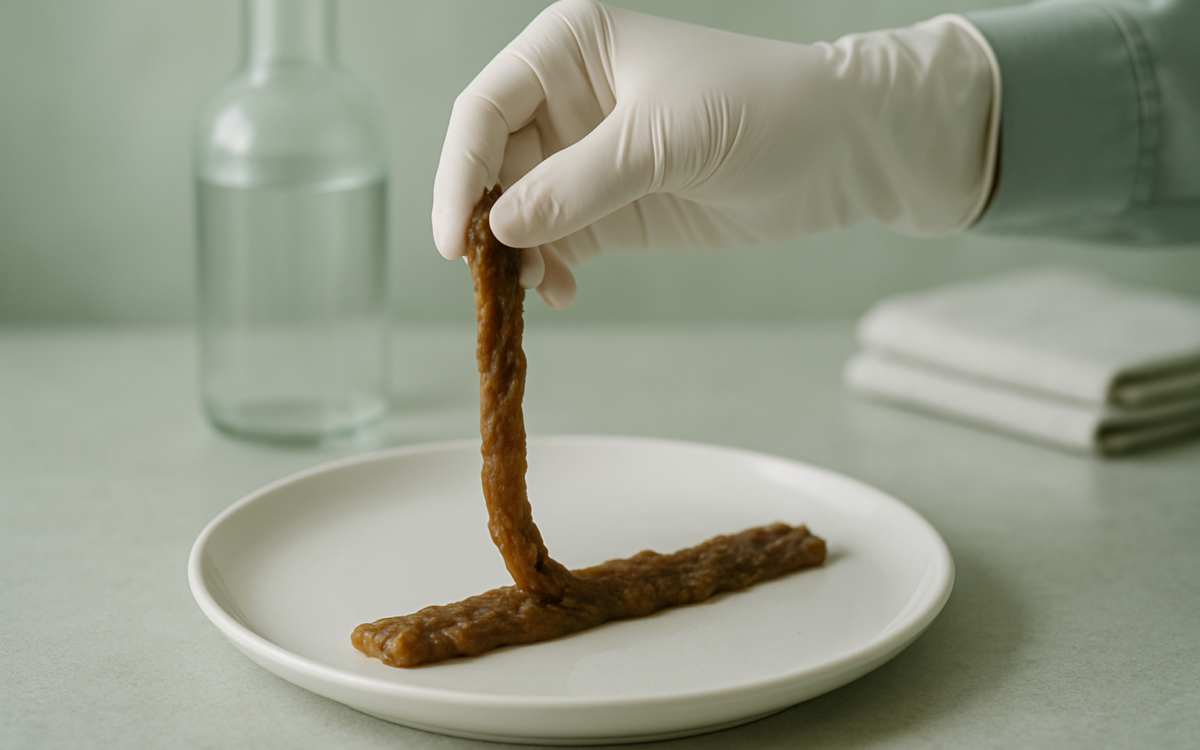
If you’ve ever explored detox diets or alternative health trends, you may have encountered the term ‘mucoid plaque.’ Often touted as a harmful buildup in the intestines, it has gained significant attention in wellness circles. This article will delve into the concept of mucoid plaque, examining what it is, the science behind it, and whether it truly poses any health risk.
What is mucoid plaque?
Mucoid plaque is often described as a thick, sticky substance that purportedly coats the walls of the intestines. Some proponents claim it consists of undigested food, toxins, and waste that combine to form a layer that can impede proper digestion and absorption of nutrients. However, the mainstream medical community views the existence of mucoid plaque with skepticism.
Origin of the concept
The idea of mucoid plaque has roots in various alternative health practices. It is frequently mentioned in the context of colon cleansing and detox diets. Many believe it can lead to a range of health issues, including digestive problems, fatigue, skin issues, and even more severe ailments. The idea is that by removing mucoid plaque, one can restore health and vitality.
Scientific perspective
Despite its popularity in detox circles, there is limited scientific evidence supporting the existence of mucoid plaque as a distinct medical condition. Most medical experts, including those at institutions such as the National Institutes of Health, suggest that the gastrointestinal tract does not accumulate a substance like mucoid plaque as often described. The gut naturally maintains its cleanliness through the process of digestion and the action of gut bacteria.
Understanding the gut’s natural processes
Your digestive system is a remarkable entity designed to break down food, absorb nutrients, and eliminate waste. The lining of the intestines rapidly regenerates itself, working continuously to shed old cells and maintain a healthy inner environment. Here are some key points:
- The gut microbiome: Billions of bacteria inhabit your intestines, helping digest food and performing essential functions like synthesizing vitamins.
- Mucosal barrier: The intestinal lining produces mucus, which helps protect it from harm and keeps things moving smoothly.
- Regular elimination: A functioning digestive system efficiently pushes waste through to the bowels for elimination.
These natural processes generally suffice to keep the intestines healthy without the need for drastic detox measures.
Misconceptions and myths
Several myths surround mucoid plaque that can complicate our understanding. It’s crucial to separate fact from fiction:
- Myth 1: Mucoid plaque is a dangerous toxin.
Fact: The medical community does not recognize mucoid plaque as a disease or toxin. - Myth 2: Only special diets can remove mucoid plaque.
Fact: A balanced diet with plenty of fiber and hydration supports normal gut functions. - Myth 3: Detox products will improve overall health by eliminating mucoid plaque.
Fact: Such products can be unnecessary and may lead to nutrient deficiencies.
Combatting these myths can lead to a healthier, more accurate understanding of digestive health.
When to see a doctor
While mucoid plaque may not be a medically recognized concern, it’s important to pay attention to your digestive health. You should consult a healthcare provider if you experience:
- Persistent symptoms like abdominal pain, bloating, or changes in bowel habits.
- Unexplained weight loss or fatigue.
- Severe constipation or diarrhea.
A medical professional can provide a comprehensive evaluation, helping to determine any underlying issues and recommending appropriate treatments.
Focusing on digestive wellness
In lieu of focusing on the concept of mucoid plaque, understanding and maintaining digestive health is key. Here are some steps you can take:
- Eat a fiber-rich diet: Fruits, vegetables, and whole grains promote healthy digestion.
- Stay hydrated: Drinking plenty of water helps in digestive processes.
- Exercise regularly: Physical activity aids digestion by keeping the body functioning optimally.
- Manage stress: Stress can negatively affect digestion, so finding effective relaxation techniques is beneficial.
Emphasizing these practices can lead to better digestive health without the need for extreme measure.
Conclusion
Mucoid plaque may be a popular term in the realm of alternative health, but it lacks solid scientific backing. Focusing on effective, evidence-based approaches to maintain your digestive health is crucial. Consulting with healthcare professionals can provide guidance tailored to your needs and help you navigate the many myths that surround this topic. Prioritize a balanced approach to well-being—your gut will thank you!
