
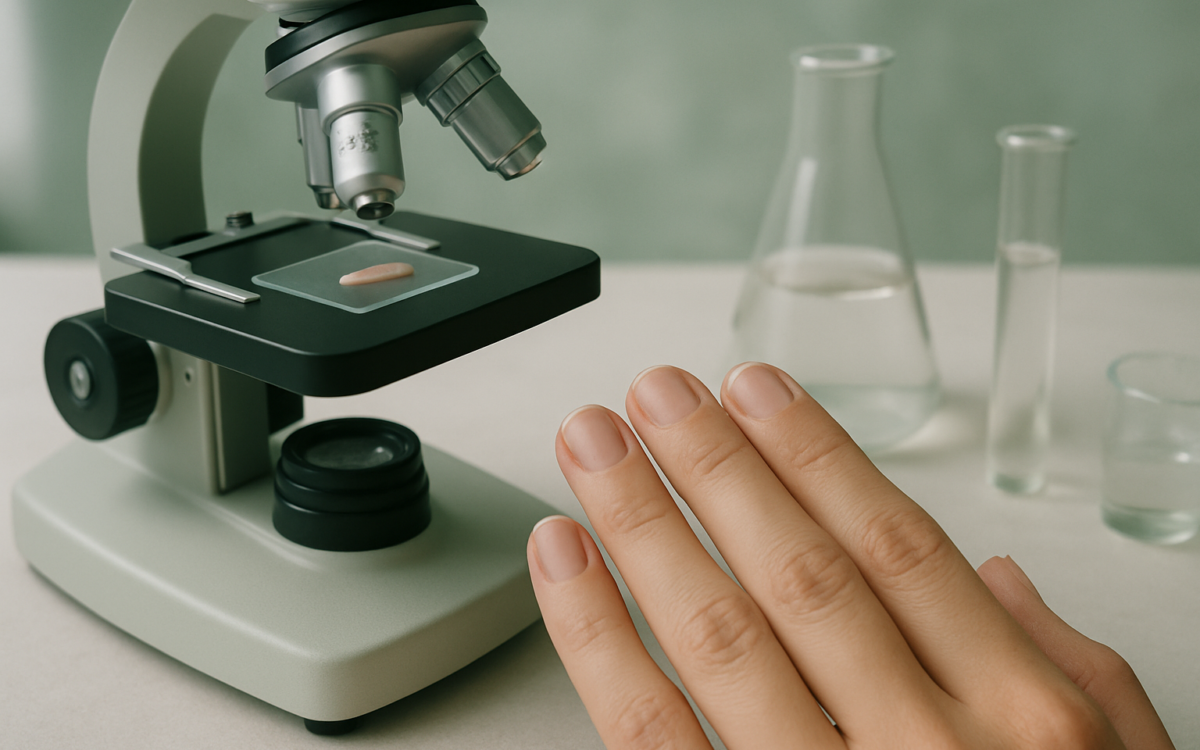
Nails are often overlooked in discussions about health and beauty, but they are an intriguing part of our body. Beyond their aesthetic value, nails serve important protective functions and provide insight into our overall health. Have you ever wondered: what are nails made of? Let’s dive deeper into their composition and significance.
The Basic Structure of Nails
To understand what nails are made of, we first need to explore their structure. Nails are composed of a protein called keratin, which is also found in our hair and skin. Keratin is a resilient and flexible material that protects the underlying tissues of the fingers and toes. A healthy nail consists of several parts:
- Nail Plate: The visible part of the nail that we commonly refer to as the nail.
- Nail Bed: The skin beneath the nail plate that supports it.
- Nail Matrix: The tissue under the base of the nail (the cuticle area) where new nail cells are produced.
- Cuticle: The layer of clear skin located along the bottom edge of the nail plate.
- Lunula: The visible part of the nail matrix, often appearing as a white crescent shape at the base of the nail.
The Role of Keratin
Keratin plays a crucial role in the strength and durability of nails. It’s a fibrous protein that provides resilience against daily wear and tear. Keratin molecules are arranged in long chains that bond together to form a protective layer. This unique structure allows nails to be tough yet flexible, which is essential for gripping and manipulating objects. If you’re interested in a more scientific understanding of keratin, you can learn more from resources like the National Institutes of Health.
How Nails Grow
Nail growth occurs in the nail matrix, where new keratinocytes (nail cells) are produced. As these cells mature, they harden and push the older cells forward, resulting in the visible nail plate we see. Nails typically grow at a rate of about 1/8 inch (3 mm) per month, though this can vary based on several factors:
- Age: Nails generally grow faster in children and slow down as we age.
- Season: Many people notice that their nails grow faster in the summer months.
- Health Status: Conditions such as poor nutrition or specific health issues can slow nail growth.
Nail Health and Nutrition
Caring for your nails goes beyond simple maintenance; it’s about ensuring you’re providing your body with the right nutrients. Essential vitamins and minerals play a significant role in nail health:
- Biotin: A B-vitamin that supports nail growth and strength.
- Zinc: Important for cell reproduction, preventing brittleness in nails.
- Iron: Essential for healthy blood circulation to nourish nail growth.
To promote healthier nails, consider incorporating foods rich in these nutrients, such as nuts, seeds, leafy greens, and proteins. Understanding how nutrition affects your nails can empower you to make better dietary choices.
Common Nail Problems
Like any other part of our body, nails can develop various issues. By understanding the signs of nail problems, you can take proactive steps to maintain healthy nails. Some common nail issues include:
- Brittle Nails: Often caused by excessive exposure to water or harsh chemicals.
- Discoloration: Can indicate various health conditions or nutritional deficiencies.
- Nail Fungal Infections: Common in damp environments and can cause thickening and discoloration.
If you notice significant changes in your nails, it’s a good idea to consult with a healthcare provider for proper diagnosis and recommendations.
When to See a Doctor
While many nail concerns are harmless, certain nail changes can be a sign of underlying health issues. You should see a doctor if you experience:
- Pain or swelling around the nails
- Severe discoloration or irregularity in nail growth
- Signs of infection, such as pus or increased redness
Your doctor can help determine whether there are any underlying conditions that need to be addressed and suggest appropriate treatments.
Conclusion
Nails are more than just a cosmetic feature; they are a complex part of our body that reflects our health and wellbeing. Understanding what nails are made of, their growth process, and how to keep them healthy can empower you to take better care of yourself. So next time you look at your nails, remember that there’s a fascinating world beneath the surface.
