
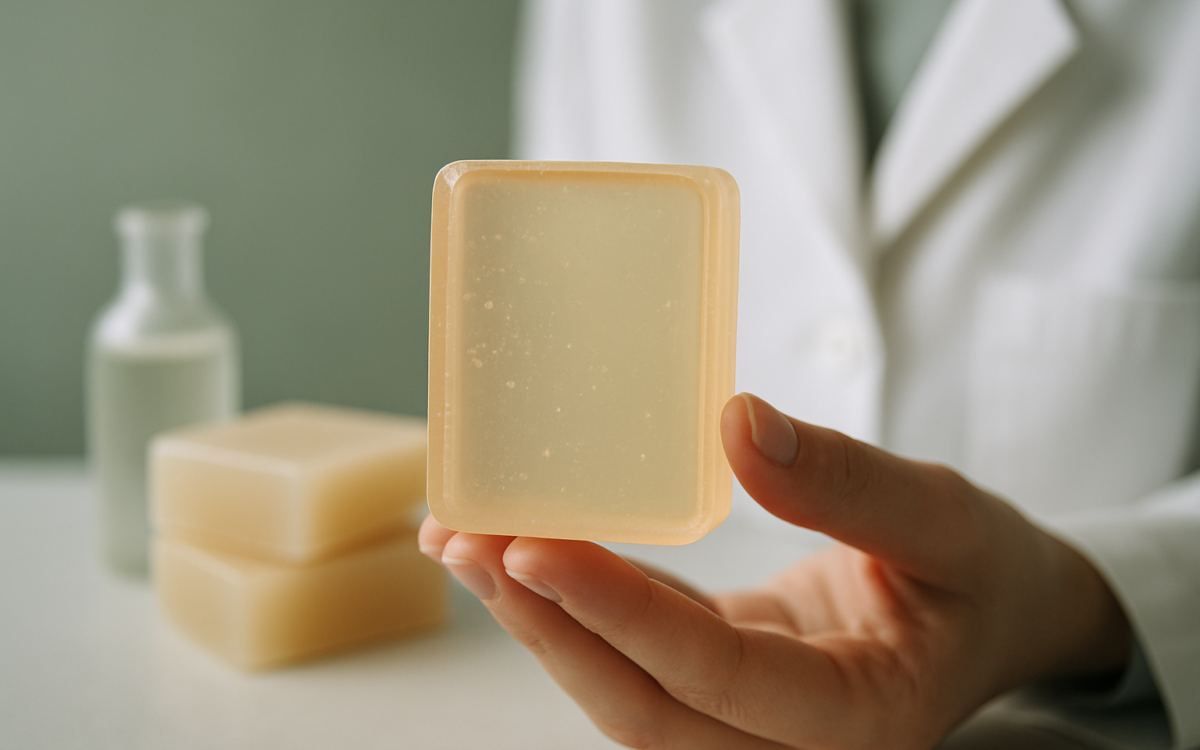
In the quest for healthy and glowing skin, we often overlook the importance of the products we use for cleansing. One such product that has gained a lot of attention—especially among those with sensitive or dry skin—is glycerin soap. This article dives into what glycerin soap is, its benefits, and how to incorporate it into your skincare routine.
What is Glycerin Soap?
Glycerin soap is a type of soap that primarily contains glycerin, a natural compound derived from vegetable oils or animal fats. Glycerin, or glycerol, is a humectant, which means it draws moisture from the environment into the skin. This property makes glycerin soap particularly popular among individuals looking for hydration and gentle cleansing.
Benefits of Glycerin Soap
Glycerin soap offers a variety of benefits that can help improve your skin health. Here are some key advantages:
- Hydration: Due to its humectant nature, glycerin soap helps to retain moisture on the skin, making it an excellent choice for those with dry or dehydrated skin.
- Gentle Cleanser: Unlike many commercial soaps that can strip the skin of natural oils, glycerin soap provides a gentle cleansing effect. It cleans without harsh ingredients, making it suitable for sensitive skin.
- Non-Comedogenic: Glycerin soap is non-comedogenic, meaning it won’t clog pores. This characteristic makes it a good choice for individuals prone to acne or breakouts.
- Natural Ingredients: Many glycerin soaps are made with natural ingredients, making them less likely to irritate sensitive skin. Users can often find varieties with added oils or botanical extracts for additional benefits.
- Soothing Properties: Glycerin can help soothe irritated skin. This makes glycerin soap a great option for people with conditions like eczema or psoriasis, though it’s always best to consult a doctor.
How to Use Glycerin Soap
Using glycerin soap is straightforward. Here’s a simple guide to incorporate it into your daily routine:
- Wet Your Skin: Start by wetting your skin with warm water. This helps to open up pores and prepares your skin for cleansing.
- Lather Up: Rub the glycerin soap between your hands or directly on your skin to create a lather. If desired, use a washcloth or loofah for gentle exfoliation.
- Rinse Thoroughly: Rinse the soap off with lukewarm water, ensuring there’s no residue left on the skin.
- Pat Dry: Gently pat your skin dry with a soft towel, avoiding vigorous rubbing that can cause irritation.
For best results, follow up with a moisturizer to lock in the hydration provided by the glycerin soap.
Finding the Right Glycerin Soap
When selecting glycerin soap, it’s important to read labels and choose products that fit your skin type. Here are some tips for finding the right glycerin soap:
- Check for Ingredients: Opt for glycerin soaps made with natural ingredients and free from artificial fragrances, dyes, and preservatives. Ingredients like essential oils, aloe vera, and oatmeal can enhance the soap’s benefits.
- Look for Specialty Formulations: Some manufacturers produce glycerin soaps specifically formulated for sensitive skin, dry skin, or dermatitis. These specialized products may contain additional soothing ingredients.
- Smell Test: Since scents can be quite personal, choose a fragrance that resonates with you. However, if you have sensitive skin, it’s best to stick to unscented options.
Potential Drawbacks of Glycerin Soap
While glycerin soap has many benefits, there are some potential drawbacks to consider:
- High Humidity Conditions: In high-humidity environments, glycerin soap can absorb too much moisture from the air, leading to a sticky feeling on the skin. In such cases, it may not be the best choice for everyone.
- Varied Quality: Not all glycerin soaps are created equal. Some may contain fillers or low-quality glycerin, which can reduce effectiveness.
As with any skincare product, it’s important to test a small area of your skin first to see how it reacts before using it more broadly.
When to See a Doctor
If you experience persistent skin issues such as extreme dryness, irritation, or allergic reactions after using glycerin soap, consult a healthcare professional for advice. Conditions such as eczema or psoriasis should also be discussed with a doctor to determine the best products for your skin.
Conclusion
Glycerin soap can be a wonderful addition to your daily skincare routine, especially if your skin tends to be dry or sensitive. With its moisturizing and gentle cleansing properties, it provides an effective way to maintain healthy skin. When choosing the right soap, pay attention to the ingredients and consider your skin’s unique needs. Always remember that if you have ongoing concerns about your skin health, it’s wise to consult a healthcare provider.
