
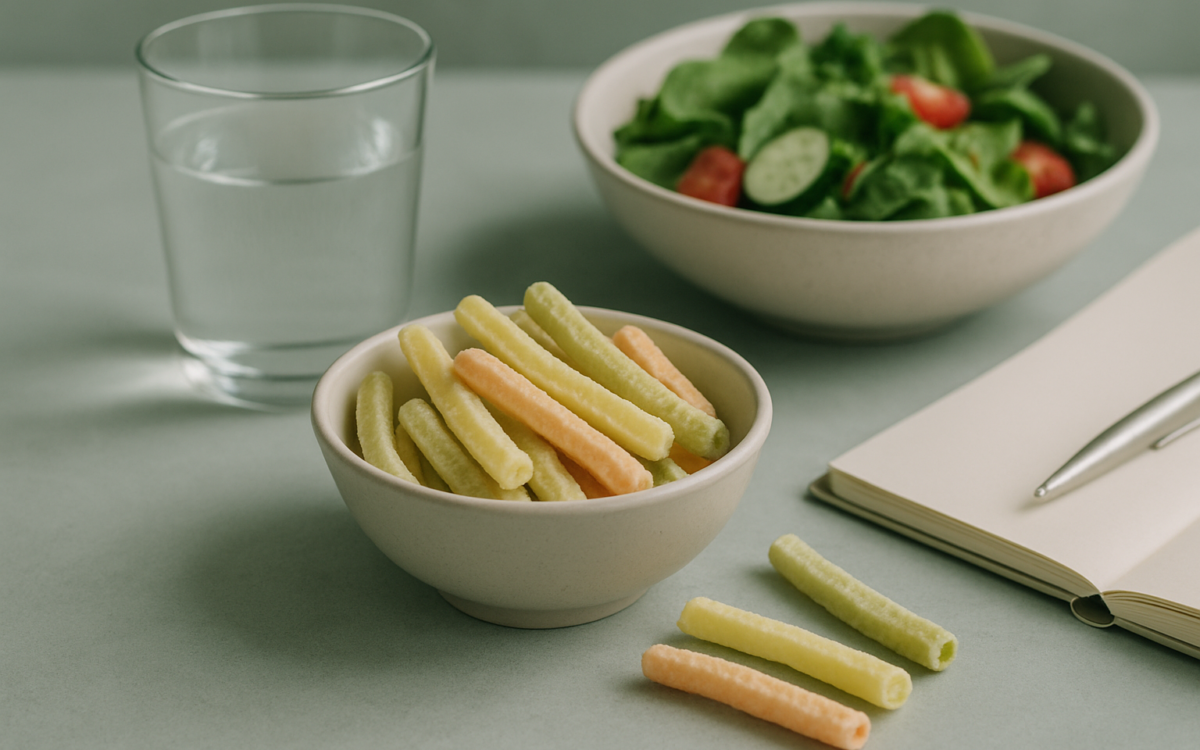
When you’re craving a crunchy snack, veggie straws might catch your eye as a healthier alternative to traditional chips. Marketed as vegetable-based snacks, they promise to offer a lighter option without sacrificing taste. But are veggie straws genuinely a healthy choice? Let’s dive deeper into their nutritional profile and see how they stack up against regular snacks.
The Basics of Veggie Straws
Veggie straws are typically made from a mix of vegetable powders, starch, and seasoning. The primary ingredients often include potato starch, corn starch, and vegetable powders from a variety of sources like spinach, broccoli, and tomatoes. Despite being called ‘veggie’ straws, it’s important to note that these snacks are not made from whole vegetables.
Nutritional Breakdown
To understand whether veggie straws are a healthy snack option, we should take a closer look at their nutritional content:
- Calories: Veggie straws tend to be lower in calories than traditional chips, which may make them seem like a better choice for weight management.
- Fat: They usually have a lower fat content compared to regular potato chips, which could appeal to those watching their fat intake.
- Sodium: Many brands use added salt for flavoring. While salt can enhance the taste, excessive sodium can lead to health issues such as high blood pressure.
- Fiber: One of the significant downsides is that veggie straws often contain little to no dietary fiber, which is crucial for digestive health.
- Vitamins and Minerals: While claimed to be vegetable-based, veggie straws generally provide minimal vitamins and minerals compared to whole vegetables.
How They Compare to Other Snacks
When evaluating whether veggie straws are genuinely healthy, it’s essential to compare them to other snack options. For instance, if you enjoy snacking on raw vegetables like carrots, cucumbers, or bell peppers, those provide essential nutrients and fiber that veggie straws lack.
On the other hand, if you’re swapping out potato chips for veggie straws, you might find them to be a better alternative in terms of calorie content and fat. However, consider that some brands may include preservatives, artificial flavors, and colors that are not present in whole foods.
The Appeal of Veggie Straws
Veggie straws often come in colorful packaging, making them visually appealing and interesting for both kids and adults. They have a crunchy texture and a light airy feeling that many find satisfying. This can make it easy to overindulge, as they might not carry the same satiety as whole vegetable snacks or nuts.
For individuals looking to enjoy a light treat, veggie straws can be acceptable in moderation. However, it’s important to read the nutrition label and ingredient list carefully. If you’re seeking more substantial health benefits, consider opting for baked vegetable chips or making homemade snacks that use real vegetables and whole grains.
International Perspectives on Vegetable Snacks
The concept of healthy snacking isn’t just popular in the United States; it has international relevance as well. In places like Turkey, traditional snacks may include a variety of vegetable-based options that focus on whole ingredients. For those exploring treatment in Turkey or international snack options, consider incorporating whole foods that nourish your body while satisfying cravings. Whole vegetable snacks can often be found in markets, offering a more nutrient-rich dining experience.
Finding Balance in Your Diet
Ultimately, the key to any healthy diet is balance. Veggie straws can fit into an overall healthy eating plan, but they shouldn’t replace more nutrient-dense foods. Incorporating a variety of snacks that include fruits, nuts, and whole grains can ensure that your body receives the necessary nutrients while enjoying tasty treats.
When to See a Doctor
If you have concerns about your diet, weight management, or specific health conditions (such as high blood pressure due to sodium intake), it’s wise to consult a healthcare provider. They can provide tailored advice based on your individual health needs.
In conclusion, while veggie straws can serve as a crunchy snack option, they are not a substitute for whole vegetables or healthier snack alternatives. Always be mindful of portion sizes and nutritional value, and consider your overall diet for long-term health benefits.
