
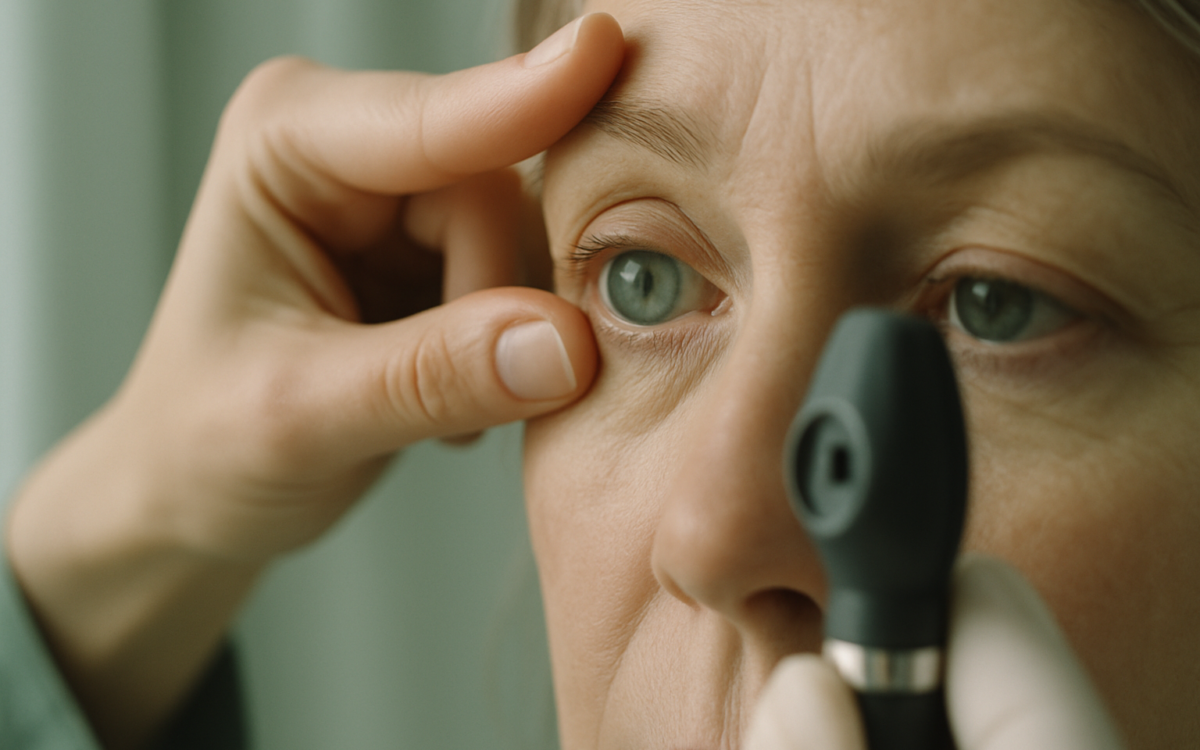
Have you ever noticed a strange hue in your eyes, particularly a greyish tint? It’s not uncommon to overlook subtle changes in our bodies, especially when it comes to eye health. However, the color of your eyes can give insight into your overall well-being. A greyish tint in the sclera (the white part of your eye) can be a sign of various health conditions. Understanding the potential causes of this change is an important step in caring for your health.
What Causes Greyish Eyeballs?
Several factors can contribute to the appearance of greyish eyeballs. Some of the most common causes include:
- Jaundice: A yellowing of the skin and eyes often caused by liver issues can lead to a greyish appearance due to the buildup of bilirubin.
- Corneal Arcus: This is a ring that forms around the cornea due to lipid deposits, often appearing grey or white. It is common in older adults but can signal cholesterol issues in younger people.
- Pinguecula and Pterygium: These are growths on the conjunctiva that can give the appearance of a greyish tint, usually due to sun exposure or environmental irritants.
When to Consider Underlying Health Conditions
While a greyish tint in the eyeball can stem from benign causes like aging, it could also be an indicator of more serious health concerns. For instance:
- Liver Disease: Conditions such as hepatitis or cirrhosis can cause jaundice, which manifests as a yellowish or greyish color in the sclera.
- Cardiovascular Issues: Changes in the eyes can sometimes reflect broader systemic issues like cardiovascular diseases, possibly indicating lipid metabolism problems.
- Thyroid Disorders: Hyperthyroidism can also affect the appearance of the eyes, leading to unusual color changes.
Greyish Eyeballs in Children
If a child has a greyish hue around their eyeballs, it may warrant a closer look. In children, it can be a sign of issues such as:
- Genetic Conditions: Certain inherited disorders could lead to abnormal eye coloring.
- Developmental Issues: Conditions affecting the liver or other organs may manifest early on as greyish eyeballs.
Parents should monitor any accompanying symptoms, such as fatigue, jaundice, or behavioral changes, and consider discussing these observations with a pediatrician.
International Patient Services and Treatment Options
For individuals considering treatment options globally, having a greyish tint to the eyeballs might lead them to seek international patient services. Countries with advanced healthcare systems often provide comprehensive evaluations for unusual findings, including eye coloration changes. Diagnostic techniques and treatment protocols may vary, but opportunities for specialized care are expanding across the world. For those interested, exploring international patient services could offer alternative pathways to address concerns about eye health.
Home Remedies and Lifestyle Changes
While identifying the root cause of greyish eyeballs is crucial, incorporating healthy habits can also support your eye health. Here are some lifestyle changes that may benefit your eyes:
- Hydration: Drinking plenty of water helps to keep your body hydrated and supports healthy skin and eyes.
- Healthy Diet: A balanced diet rich in fruits, vegetables, whole grains, and lean proteins can provide essential nutrients for eye health.
- Regular Eye Exams: Keeping up with routine eye examinations can help detect any irregularities at an early stage.
When to See a Doctor
If you notice a persistent greyish tint to your eyeballs, it’s important to consult a healthcare provider. Schedule an appointment if you experience any of the following:
- Changes in vision, such as blurriness or difficulty seeing at night.
- Signs of jaundice, such as yellowing of the skin or eyes.
- Any accompanying symptoms like pain, irritation, unusual tearing, or redness.
Conclusion
Seeing a greyish hue in your eyeballs can be concerning, and it’s always best to investigate such changes with a qualified healthcare professional. By understanding the potential causes and engaging in healthy lifestyle practices, you can play an active role in maintaining your eye health.
