
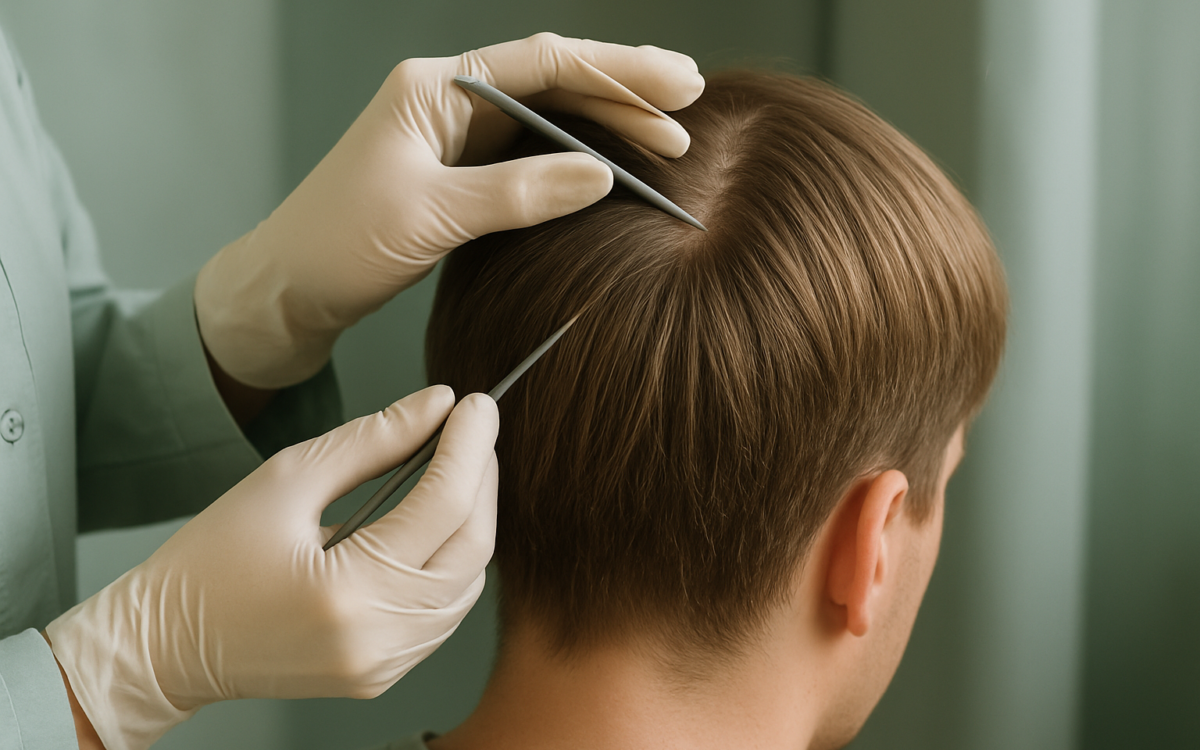
Ever wonder how many hairs are on the average human head? This question may seem trivial, but it reveals so much about our biology and the uniqueness of each human being. Hair is a significant part of our identity and can reflect our health, genetics, and even cultural identity. Let’s take a closer look at this fascinating topic.
Understanding the basics of hair
Hair is composed mostly of a protein called keratin, which is also found in our nails and the outer layer of our skin. Each hair grows from a follicle located in the dermis, the inner layer of the skin. As new cells are formed at the base of the follicle, older cells are pushed out, and this is how our hair grows.
How many hairs are on a human head?
On average, a human head has about 100,000 to 150,000 hair follicles. However, the exact number can vary widely among individuals. Factors such as hair color, genetics, and hair type can influence this number. For instance, people with blonde hair tend to have more follicles than those with dark brown or black hair. It’s estimated that blondes may have as many as 150,000 hairs, while brunettes usually have around 100,000 hairs, and redheads often have the fewest, averaging about 90,000 strands.
What affects hair density?
Hair density refers to the number of hair strands per square inch of the scalp. Several factors can affect hair density, including:
- Genetics: Your family history plays a significant role in determining how many hairs you have.
- Age: As we age, it’s common to lose hair density due to the natural aging process.
- Health: Conditions such as hormonal changes and nutritional deficiencies can impact hair health, leading to thinning and loss.
The lifecycle of hair
Understanding how hair grows can also shed light on why hair counts differ. Hair has a lifecycle divided into three stages:
- Anagen: This is the growth phase that can last for several years. Hair grows about half an inch per month during this stage.
- Catagen: A short transitional phase lasting a few weeks when the hair stops growing and prepares to shed.
- Telogen: The resting phase, lasting a few months, after which the hair falls out to make room for new growth.
On average, it’s completely normal to shed 50 to 100 hairs per day. This is part of the natural lifecycle of hair.
Hair color and its impact on hair count
As previously mentioned, hair color can influence the number of strands on your head. This difference stems from genetics, which determines the number of hair follicles produced in individuals. In addition to hair color, this variation includes several other factors:
- Ethnicity: Different ethnic groups tend to have different hair densities. For example, individuals of Asian descent may have the thickest hair strands on average.
- Health conditions: Some health conditions can lead to issues like hair loss or thinning, such as alopecia, which affects hair follicles.
When to see a doctor
If you notice significant changes in your hair density or experience unusual hair loss, it may be time to consult a healthcare professional. Conditions affecting hair health can arise from hormonal imbalances, severe nutritional deficiencies, or underlying medical issues. Early diagnosis and intervention are crucial in managing these conditions.
Conclusion
Our understanding of hair, including how many hairs are on our heads, reveals the intricate complexities of our bodies. Each person’s hair count is unique, influenced by a combination of genetics, health, and environmental factors. Whether you have 90,000 strands or 150,000, embracing the uniqueness of our hair is part of celebrating who we are. Stay informed about your hair health, and don’t hesitate to reach out to a healthcare provider if you have concerns.
