
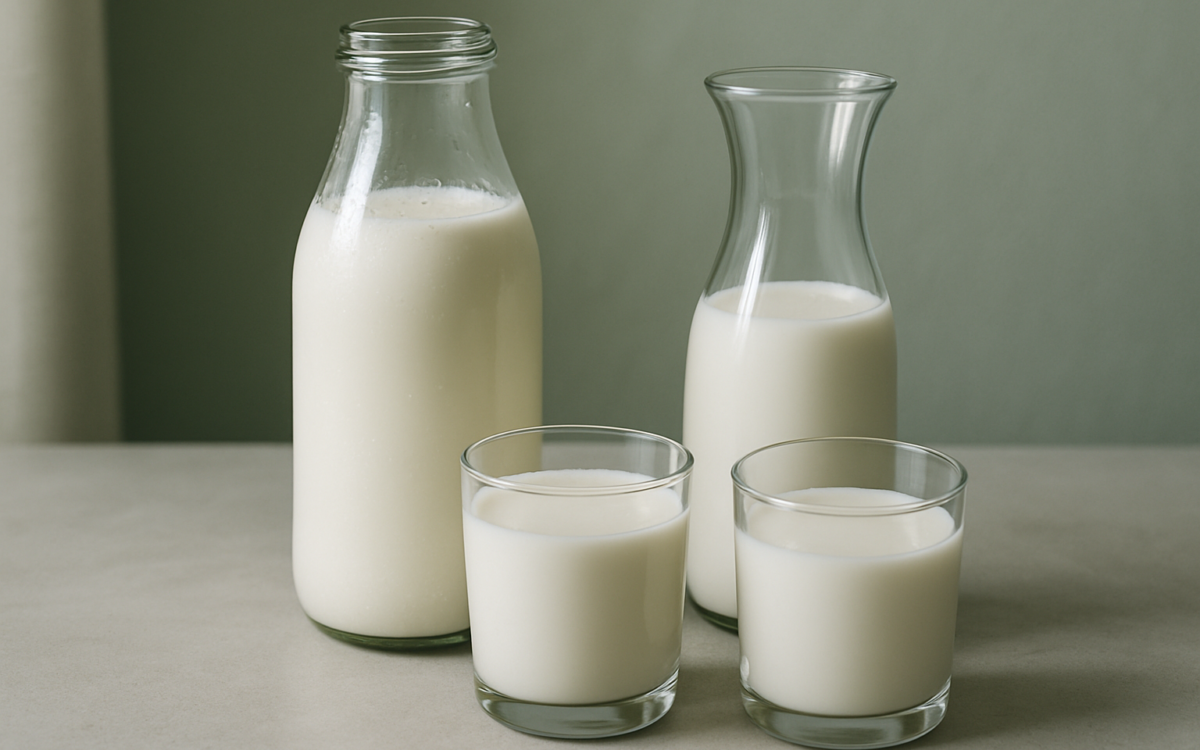
Choosing between whole milk and low-fat milk can be confusing. Both types of milk offer various nutrients, but their fat content and the potential health impacts may lead you to one choice over the other. Understanding how these two types of milk differ can help you make more informed decisions about your diet and overall health.
The Nutritional Breakdown
Whole milk and low-fat milk differ mainly in their fat content. Whole milk contains about 3.25% fat, while low-fat milk typically has 1% to 2% fat. This difference in fat content can significantly affect their caloric value and nutrient composition. A cup of whole milk generally contains around 150 calories, while low-fat milk has approximately 100 calories.
In addition to calories, the fat in whole milk can help with the absorption of fat-soluble vitamins like A, D, E, and K. Research shows that dietary fat plays a role in satiety, which may help you feel fuller longer after consumption.
Health Benefits of Whole Milk
Whole milk has several advantages that are often up for debate. Some studies suggest that including whole-fat dairy in your diet can be linked to a lower risk of certain chronic conditions.
- Heart Health: While many focus on reducing saturated fats for heart health, recent findings suggest that whole milk may not be as harmful as previously thought. Some studies indicate a possible association between whole dairy fat and a reduced risk of cardiovascular disease.
- Weight Control: Whole milk may aid in weight management. It could lead to better appetite control, which may help prevent overeating. The fat in whole milk can also contribute to feeling satisfied after meals.
- Bone Health: Whole milk is rich in calcium and vitamin D, which are essential for bone strength. Many experts recommend a balanced intake of nutrients to maintain bone density as we age.
Health Benefits of Low-Fat Milk
On the other hand, low-fat milk has advantages that appeal to many health-conscious consumers. Here are some perceived benefits:
- Fewer Calories: Low-fat milk is generally lower in calories, making it a good option for those looking to reduce caloric intake without sacrificing essential nutrients.
- Reduced Saturated Fat: For individuals concerned about cholesterol levels or heart disease, low-fat milk may be a better choice. Lower saturated fat can be beneficial for heart health when replacing higher-fat options.
- Versatility: Low-fat milk can often be used just like whole milk in cooking and baking, enabling individuals to maintain their preferred flavors while opting for a lighter option.
Choosing What’s Right for You
When deciding between whole and low-fat milk, it’s essential to consider your overall dietary habits and health goals. If you enjoy the taste of whole milk and are not at risk for cardiovascular diseases, it may be a satisfying addition to your diet. Alternatively, if you are seeking to lower your saturated fat intake or manage your weight, low-fat milk could be the better choice.
It’s also worth noting that many consumers find it beneficial to rotate between different types of milk. Including a variety of dairy options can help ensure a balanced intake of nutrients. If you’re unsure about which option is best for you, consult a healthcare provider or registered dietitian for personalized advice.
Common Myths About Milk
There are several myths regarding whole milk and low-fat milk that can influence choices. Here are a couple of common misconceptions:
- “Whole Milk Causes Weight Gain:” While whole milk is higher in calories, it’s not solely responsible for weight gain. Overall caloric intake and physical activity levels play a much more significant role.
- “Low-Fat Milk Is Always Healthier:” Low-fat milk may not be universally the best option. It often contains added sugars to enhance flavor, which can detract from its healthfulness.
When to See a Doctor
If you have dietary restrictions or health conditions, such as lactose intolerance or allergies, you may need to consider your milk choices more carefully. Consulting your doctor or a registered dietitian can help you tailor your dairy selections to meet your nutritional needs and goals.
Conclusion
Whole milk and low-fat milk each have their benefits and drawbacks. The best choice for you will depend on your health goals, personal preferences, and nutritional needs. Staying informed about the nutritional value of both types of milk can empower you to make choices that best support your overall health. Whatever option you choose, remember that moderation and variety are key in creating a balanced diet.
